
How to Use a KWL Chart for Learning: A Student's Guide
Quick Answer
A KWL chart helps students organize what they know, want to know, and what they learned about a topic. Start by filling out what you already know, then list questions about what you want to learn.
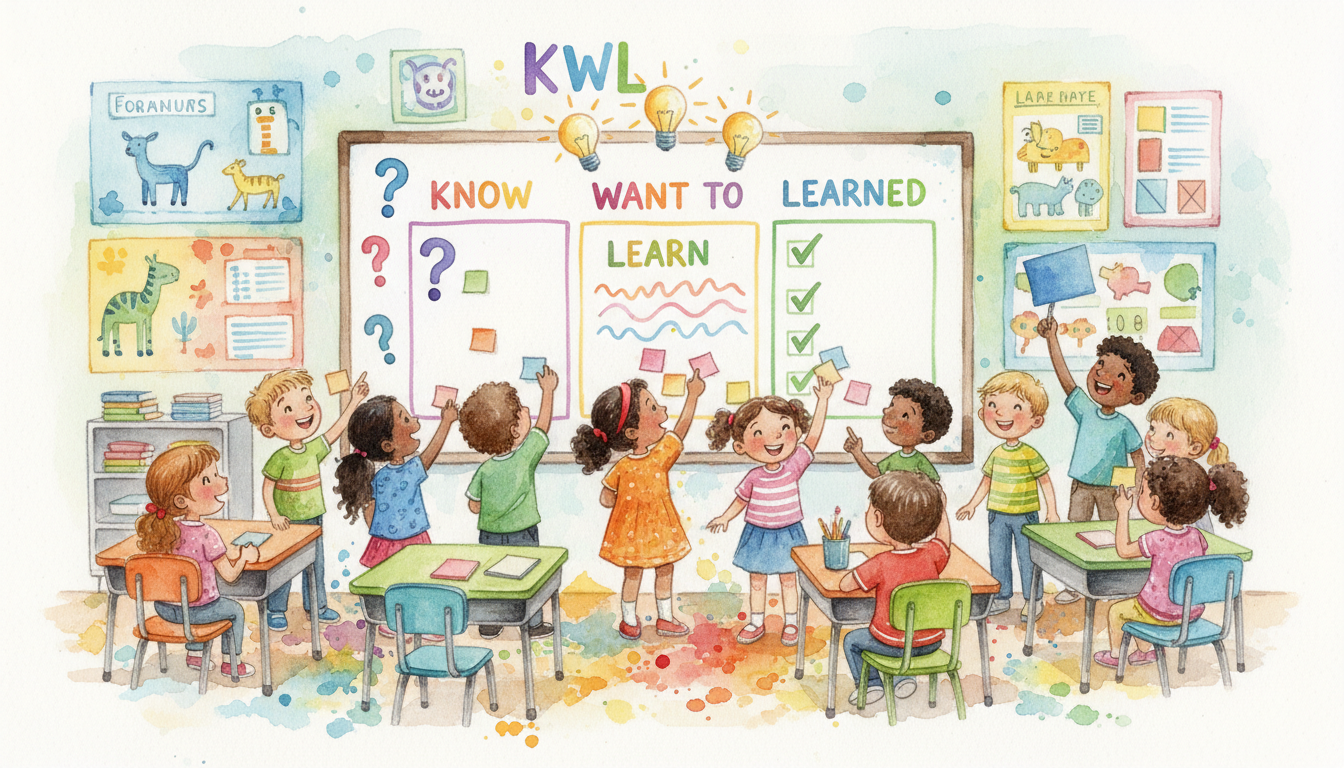
A KWL chart is a valuable tool for organizing your thoughts and preparing for new learning experiences. The acronym stands for Know, Want to know, and Learned. By using this chart, students can clarify their existing knowledge, identify what they wish to learn, and reflect on what they have absorbed after studying a topic.
### Step-by-Step Guide to Filling Out a KWL Chart
1. **Think About the Topic**: Start by examining the title of the article, chapter, or unit your teacher has provided. Ask yourself, "What is this mostly about?" This initial reflection sets the stage for your KWL chart.
2. **Filling in the K Column – What do I Know?**: In this section, you should jot down everything you already know about the topic. It's important to keep your entries concise, using bullet points instead of full sentences. Here are some tips on what to include:
- **Facts from Class**: Recall any relevant information that was discussed in your lessons. For example, if the topic is about ecosystems, you might write, "Ecosystems consist of living organisms and their physical environment."
- **Real-life Experiences**: Think about any personal experiences that relate to the topic. If you are learning about the water cycle, you could mention, "I have seen rainwater evaporate after a sunny day."
- **Information from Other Sources**: Include insights you've gained from books, documentaries, or news articles. For instance, if your topic is climate change, you might note, "I learned from a documentary that climate change affects polar ice caps."
### Example of a KWL Chart Entry
**Topic: The Water Cycle**
- **K** (What do I Know?)
- Water can change from liquid to gas and back to liquid.
- Rain, snow, and hail are forms of precipitation.
- The sun plays a role in evaporating water.
3. **Filling in the W Column – What do I Want to Know?**: Next, think about what questions you have regarding the topic. This is your opportunity to express your curiosity and outline areas you'd like to explore further. For example:
- How does pollution affect the water cycle?
- What are the stages of the water cycle?
- Why is the water cycle important for the environment?
4. **Filling in the L Column – What did I Learn?**: After you have studied the topic, revisit your KWL chart to fill out this section. Reflect on what new knowledge you have gained. For example:
- I learned that the water cycle is crucial for maintaining ecosystems.
- I discovered that evaporation can be affected by temperature.
- I learned about the different stages of the water cycle, including condensation.
### Real-World Applications
Using a KWL chart is not just an academic exercise; it can be applied to everyday learning. Whether you are preparing for a presentation, studying for an exam, or even learning a new skill, this chart can help you stay organized and focused. By knowing what you already understand and what you want to explore, you can approach new topics with confidence and clarity.
In conclusion, KWL charts are effective tools for enhancing your learning experience. They promote active engagement with the material and encourage both curiosity and reflection. Try using one for your next assignment and see how it transforms your study habits and understanding of new concepts!
Was this answer helpful?