
What Influenced Your Design Choices in Art Projects?
Quick Answer
Design choices in art projects are often influenced by natural forms and concepts like the color wheel. Understanding color mixing and overcoming challenges can enhance creativity and results.
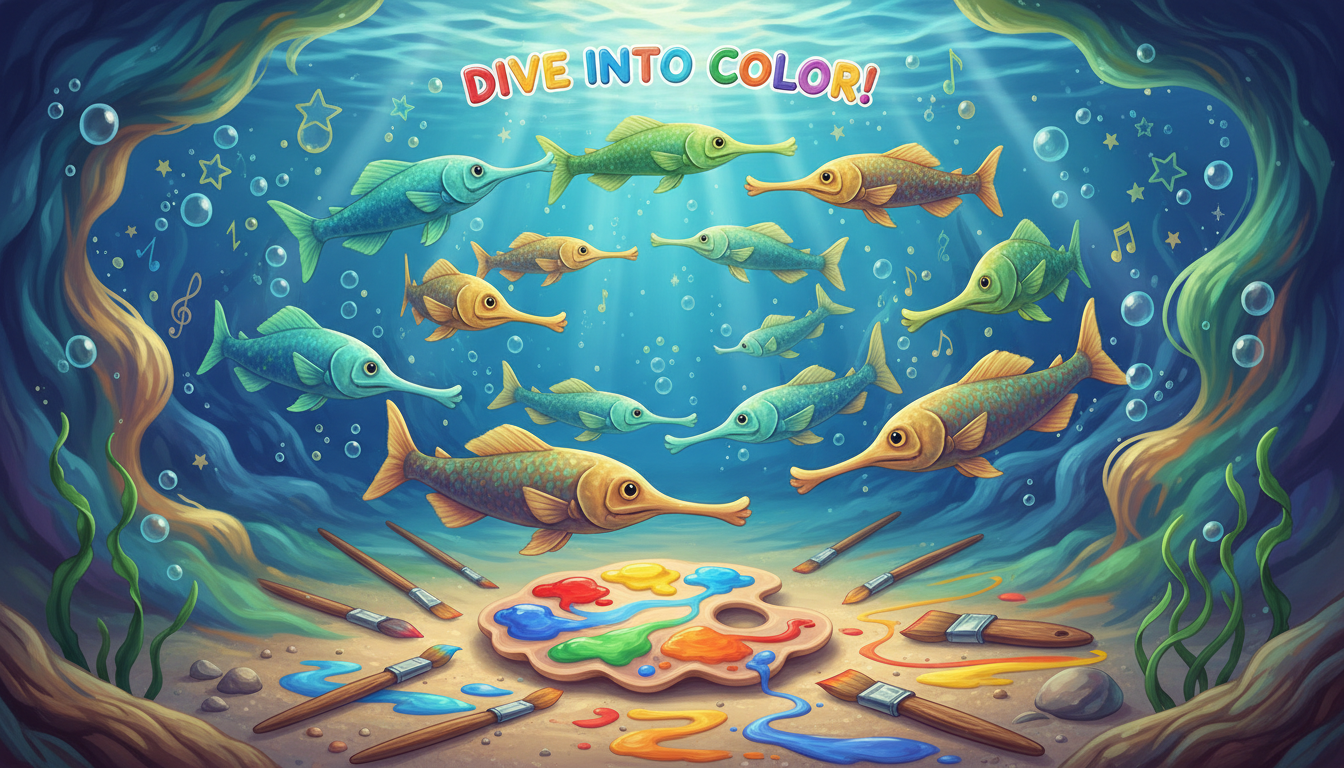
When embarking on an art project, various factors influence design choices, including inspiration from nature, concepts of color theory, and practical challenges faced during the creative process. For instance, consider the elephant nose fish, which features an organic shape with a long snout and a dog-bone-shaped tail. The unique characteristics of such subjects can inspire artists to explore forms and compositions that resonate with their vision.
One approach to design can involve arranging elements in a circular format, reminiscent of a traditional color wheel. This method not only offers a visually appealing layout but also serves as a fundamental reference for understanding how colors interact with one another. The color wheel is a crucial tool in art, helping artists see the relationships between primary, secondary, and tertiary colors.
The process of color mixing is essential in achieving the desired palette. By starting with primary acrylic paints, artists can experiment with blending to create a myriad of hues. Mixing small amounts of paint gradually allows for greater experimentation and discovery, revealing the potential of a limited palette. For example, mixing red and yellow yields orange, while combining blue and yellow results in green. This hands-on experience enhances understanding of color theory and the emotions different colors can evoke.
However, every artistic endeavor comes with its own set of challenges. In the case of detailed work, such as painting the intricate features of fish, artists may initially struggle with selecting the appropriate brush sizes. This can lead to frustration when trying to achieve precision in smaller areas. A practical solution to this challenge is to switch to smaller brushes that allow for greater control, enabling the artist to paint detailed patterns and textures effectively. Additionally, applying multiple thin layers of paint rather than a single thick layer can result in smoother finishes and better control over fine details.
Through projects like these, artists gain invaluable insights into color theory and their creative processes. They learn to appreciate the importance of patience and practice, as well as the joy of discovering new techniques and solutions. This journey through art not only sharpens technical skills but also deepens one’s understanding of personal expression and creativity.
Ultimately, each project serves as a learning experience, reinforcing the connections between design choices, color theory, and the overall creative process. Embracing challenges and using them as opportunities for growth can lead to more profound artistic development and satisfaction.
Was this answer helpful?