
What Happens When a Tariff on Imported Cars is Eliminated?
Quick Answer
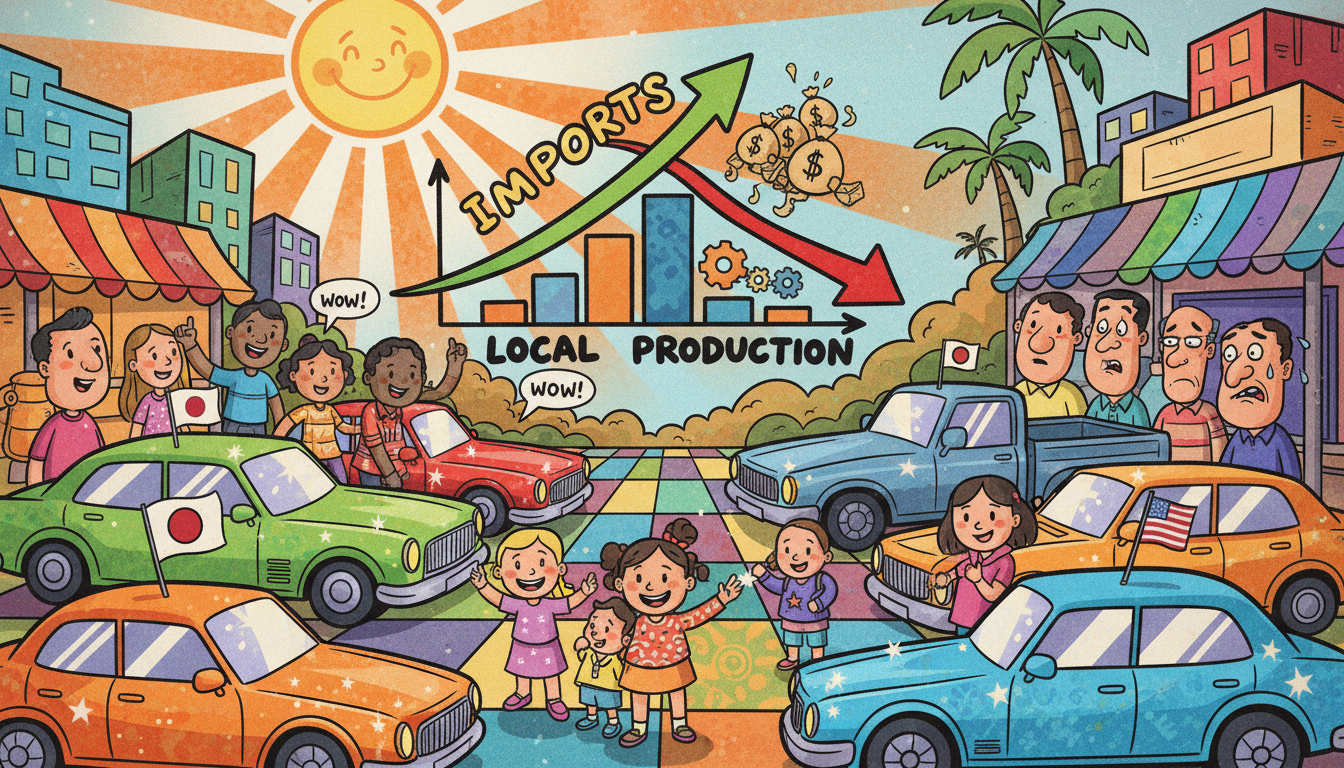
Eliminating a tariff on imported cars generally benefits domestic buyers and foreign producers while hurting domestic car manufacturers. This increased competition can lead to lower prices for consumers.
When a country decides to eliminate tariffs on imported cars, it significantly impacts various stakeholders in the automotive market. A tariff is essentially a tax imposed on goods coming into a country, making imported products more expensive. By removing this tax, imported cars become cheaper, affecting domestic buyers, domestic producers, and foreign producers differently.
**Impact on Domestic Buyers**: The most immediate benefit of eliminating the tariff is for domestic buyers of cars. With tariffs removed, the prices of imported vehicles drop, providing consumers with more affordable options. For instance, if a previously taxed imported car cost $30,000, the removal of the tariff might lower its price to $25,000. This price drop not only makes imported cars more accessible but also allows buyers to choose from a wider variety of models and features. As a result, consumers can save money and find vehicles that better meet their needs.
**Impact on Domestic Producers**: On the downside, domestic car manufacturers face increased competition from these now cheaper imported vehicles. They may struggle to compete on price, leading to potential declines in sales. For example, if a domestic car model costs $28,000, but an imported car of similar quality is now available for $25,000, many consumers may opt for the less expensive imported option. This shift can lead to reduced profits for domestic manufacturers, and in some cases, it may result in layoffs or factory closures if they cannot adapt to the new competitive landscape.
**Impact on Foreign Producers**: Conversely, foreign car manufacturers benefit from the elimination of tariffs. With their cars now more competitively priced in the local market, they can attract a larger customer base. For instance, companies like Toyota or BMW might see an increase in sales as consumers who previously avoided imported cars due to high costs now consider them. This can lead to greater market share and increased profits for these foreign producers.
In summary, while eliminating tariffs on imported cars primarily hurts domestic producers, it creates opportunities for domestic buyers and foreign manufacturers. This economic dynamic illustrates the broader principles of trade and competition in a globalized market. By understanding these relationships, students can better grasp the complexities of international trade policies and their effects on local economies.
Was this answer helpful?