
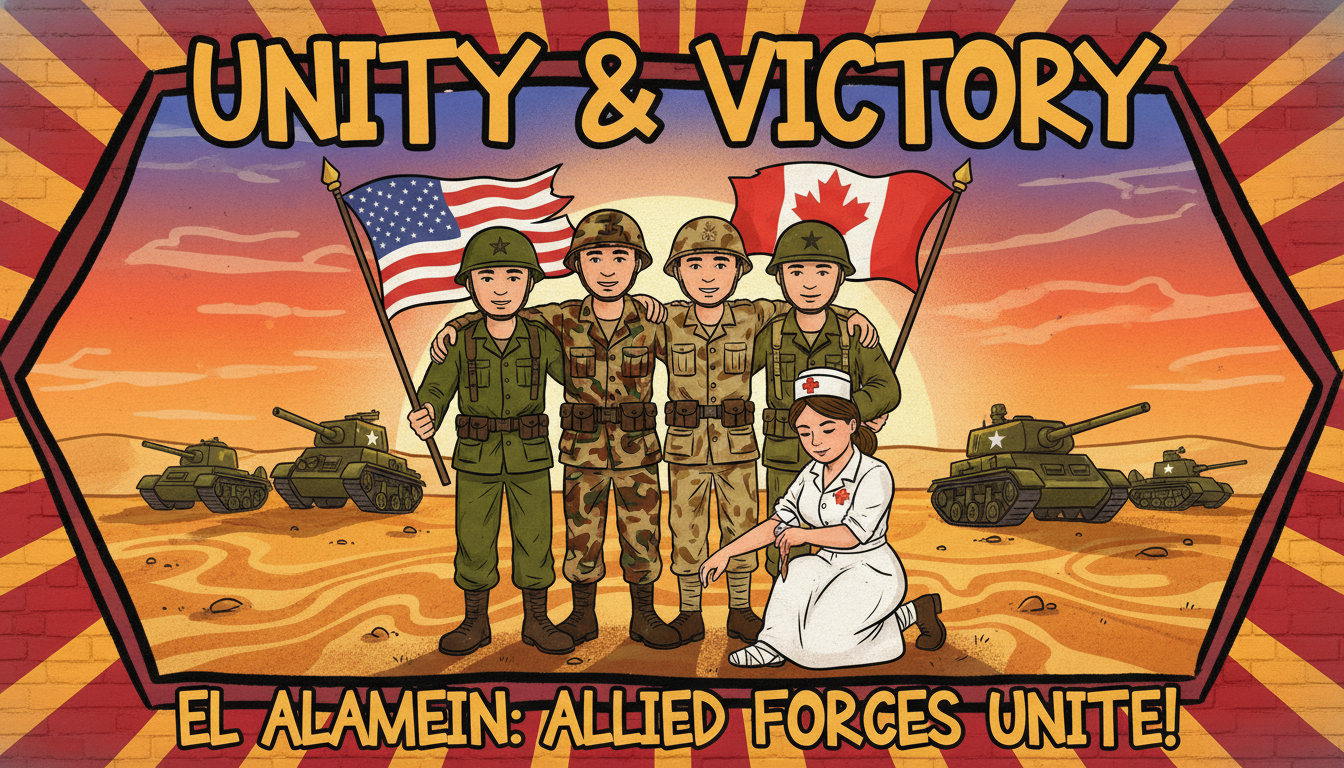
How Did the US Get Involved After the Battle of El Alamein?
Quick Answer
After the Battle of El Alamein in late 1942, the United States became deeply involved in North Africa through Operation Torch, which marked the beginning of coordinated Allied efforts to push back Axis powers. This strategic campaign aimed to relieve pressure on other fronts and eventually led to significant victories.
The Battle of El Alamein, fought between October and November 1942, was a pivotal moment in World War II, marking a significant turning point in the North African campaign. Following this battle, the United States increased its involvement in the region, primarily through a military operation known as Operation Torch.
Operation Torch was launched in November 1942 and represented the first major coordinated effort between American and British forces. The primary objective was to capture French North Africa, particularly Morocco and Algeria. The Allies chose this location in part because it was less fortified than other areas and could serve as a launching point for future operations against Axis forces in Europe.
The landings in Morocco and Algeria were strategically significant. American forces, alongside British allies, managed to catch the Axis powers by surprise. This operation forced the German and Italian forces to stretch their resources thin, having to defend multiple fronts simultaneously. By attacking from the west, the Allies sought to relieve pressure on the British Eighth Army, which was engaged in ongoing battles in the eastern part of North Africa, including Libya.
Throughout the following months, the Allied forces engaged in intense combat against the Axis troops. The collaborative efforts of American and British forces culminated in the eventual defeat of Axis forces in North Africa by May 1943. This victory was not just a military success; it also served to boost morale at home and demonstrate the effectiveness of Allied collaboration.
For your radio show, these elements can be woven into the narrative through the characters you've developed. For instance, Doris Brown, as the host, can explain the significance of Operation Torch while reflecting on the personal impact of the war on her family, including her husband returning from the front lines. The nurses, Rose Anderson and Patricia Johnson, could share their experiences treating wounded soldiers, emphasizing the human side of the war.
By providing both historical context and personal stories, your show can effectively convey how the US involvement post-El Alamein shaped the course of the war and the lives of those affected by it. This approach will not only inform listeners about the events but also engage them on a deeper emotional level, making the history more relatable and memorable.
Was this answer helpful?