
How to Improve Your Art with Light and Shadow Techniques
Quick Answer
Improving your artwork with light and shadow techniques can elevate your pieces significantly. Focus on creating a consistent light source and observe how shadows fall, as this adds depth and realism to your art.
Understanding light and shadow is essential for any artist looking to create realistic and engaging artwork. When you incorporate light sources effectively, it not only enhances the visual appeal of your piece but also helps convey a story or emotion. Here are some tips to help you master these techniques.
First, identify your light source. This could be a natural source like the sun or a man-made source like a lamp. The direction of your light source determines how shadows fall and where highlights appear. For instance, if your light source is positioned to the left, the shadows will stretch towards the right, creating a sense of depth and dimension.
Next, consider the types of shadows in your artwork. There are two main types: cast shadows and form shadows. Cast shadows are the dark shapes created on the surface by objects blocking the light, while form shadows are the gradual changes in tone on the object itself. Understanding the difference can help you create more dynamic compositions.
Using tools like felt-tip markers, as mentioned in your artwork, can help you achieve beautiful shading. Experiment with different techniques such as cross-hatching or stippling to create texture and depth. Don't be afraid to play around with shading marks to see what looks best for your style.
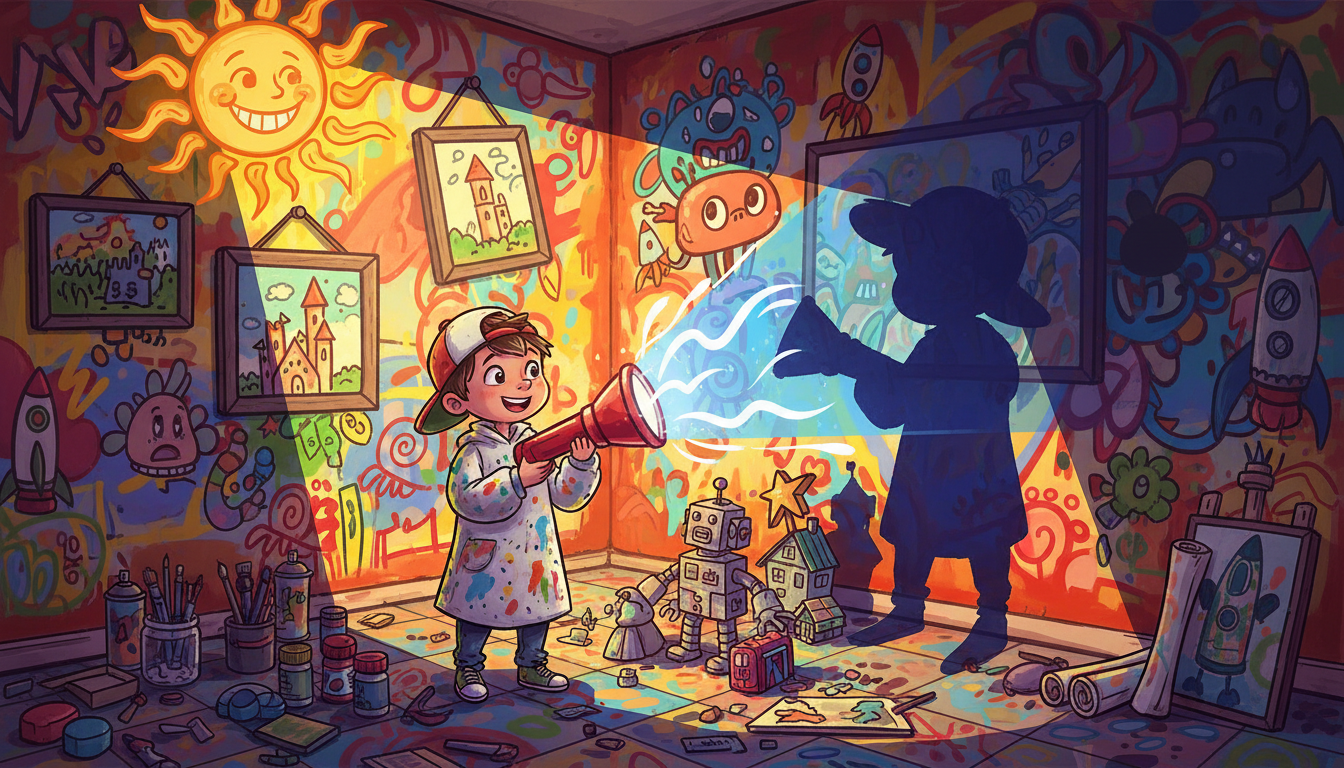
It's also helpful to observe real-life objects and how they interact with light. Try using a flashlight to simulate different light angles on an object. This can give you a clearer understanding of how shadows form and how to replicate that in your artwork.
Finally, remember that practice makes perfect. Don’t be discouraged if you find it challenging at first. Everyone struggles with light sources and shadows at some point. The more you practice, the more intuitive it will become. Keep experimenting with your techniques, and soon you’ll see an improvement in the overall quality and realism of your artwork.
In summary, mastering the use of light and shadow in your art takes time and patience, but with consistent practice and observation, you can create stunning pieces that resonate with viewers. Keep pushing your creative boundaries and enjoy the process of learning and growing as an artist!
Was this answer helpful?