
How Does Mythology Influence Modern Culture Today?
Quick Answer
Mythology significantly influences our culture through brands, sports teams, and storytelling. Examples include Nike and the Tennessee Titans, showcasing the lasting impact of ancient myths.
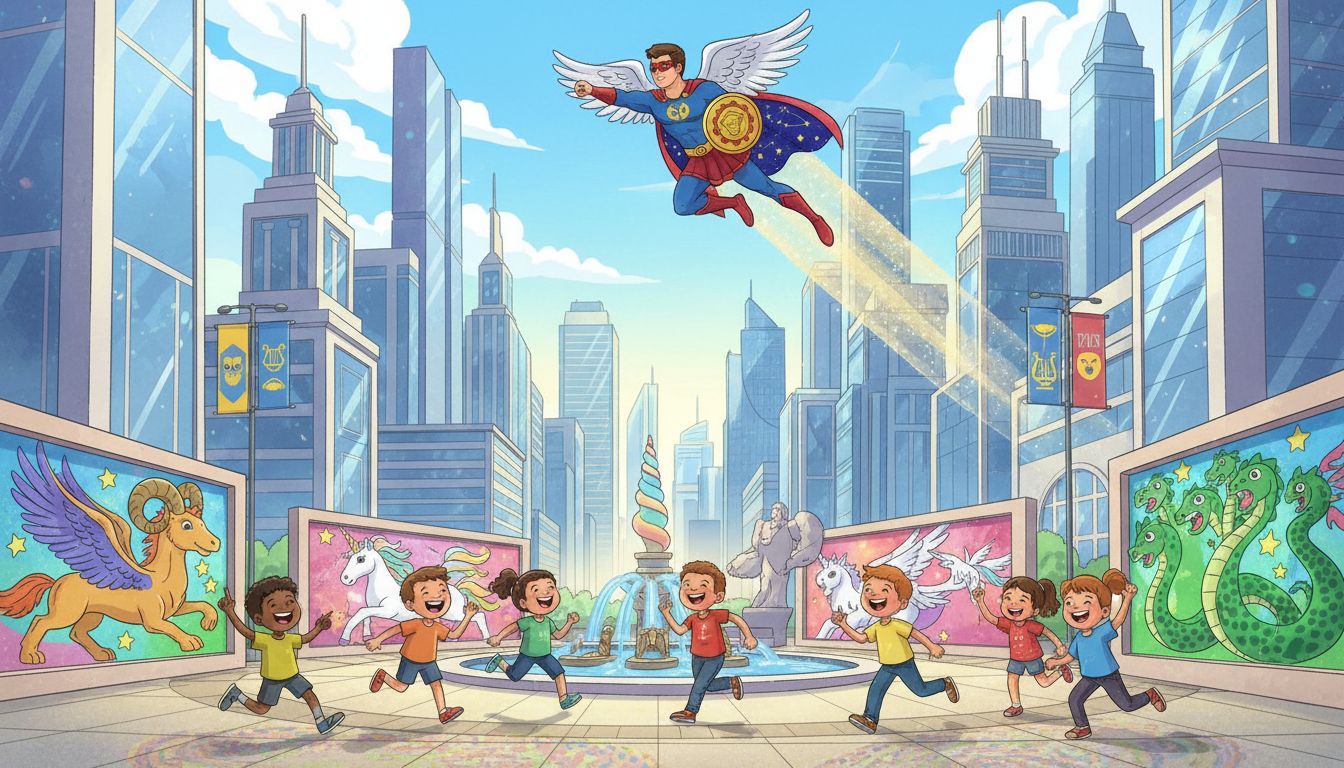
Mythology continues to play a vital role in shaping modern culture in numerous ways, from branding to sports and storytelling. When we think about how mythology influences our daily lives, we can see its impact in various forms that resonate with us today.
One prominent example is the use of mythological figures in branding. Companies like Nike, named after the Greek goddess of victory, use mythology to evoke feelings of strength and triumph in their marketing. Similarly, the Tennessee Titans, a professional football team, draw their name from the Titans of Greek mythology, instilling a sense of power and competitiveness that appeals to fans. These examples show how deeply embedded mythological concepts are in our cultural identity and commercial practices.
Furthermore, mythology shapes our understanding of various themes such as war, love, and jealousy. For instance, stories about gods like Ares, the god of war, and Hera, the goddess of marriage, illustrate timeless human experiences that transcend generations. These tales influence how we perceive relationships and conflicts in contemporary society, making the lessons from mythology relevant even today.
In addition to brands and sports, modern storytelling, including movies, books, and television shows, often draws inspiration from mythological themes and characters. For example, films like "Clash of the Titans" and "Wonder Woman" incorporate elements of Greek mythology, bringing ancient stories to new audiences. This not only entertains but also educates viewers about the values and ideals of past cultures, highlighting their relevance in today's world.
On a personal level, mythology can inspire individuals in various ways. For instance, the character of Athena, the goddess of wisdom and warfare, represents intelligence and strategy. Many people look up to her as a symbol of empowerment and knowledge, influencing their decisions in both personal and professional contexts. By reflecting on how figures like Athena resonate with us, we can see the profound ways mythology continues to shape our values and aspirations.
In conclusion, mythology's influence on modern culture is pervasive and multifaceted. From branding and sports teams to storytelling and personal inspiration, the echoes of ancient myths are present in our everyday lives. By recognizing these connections, we can appreciate the enduring legacy of mythology and its role in shaping our cultural landscape today.
Was this answer helpful?