
What is Dramatic Irony in Literature? Understanding the Concept
Quick Answer
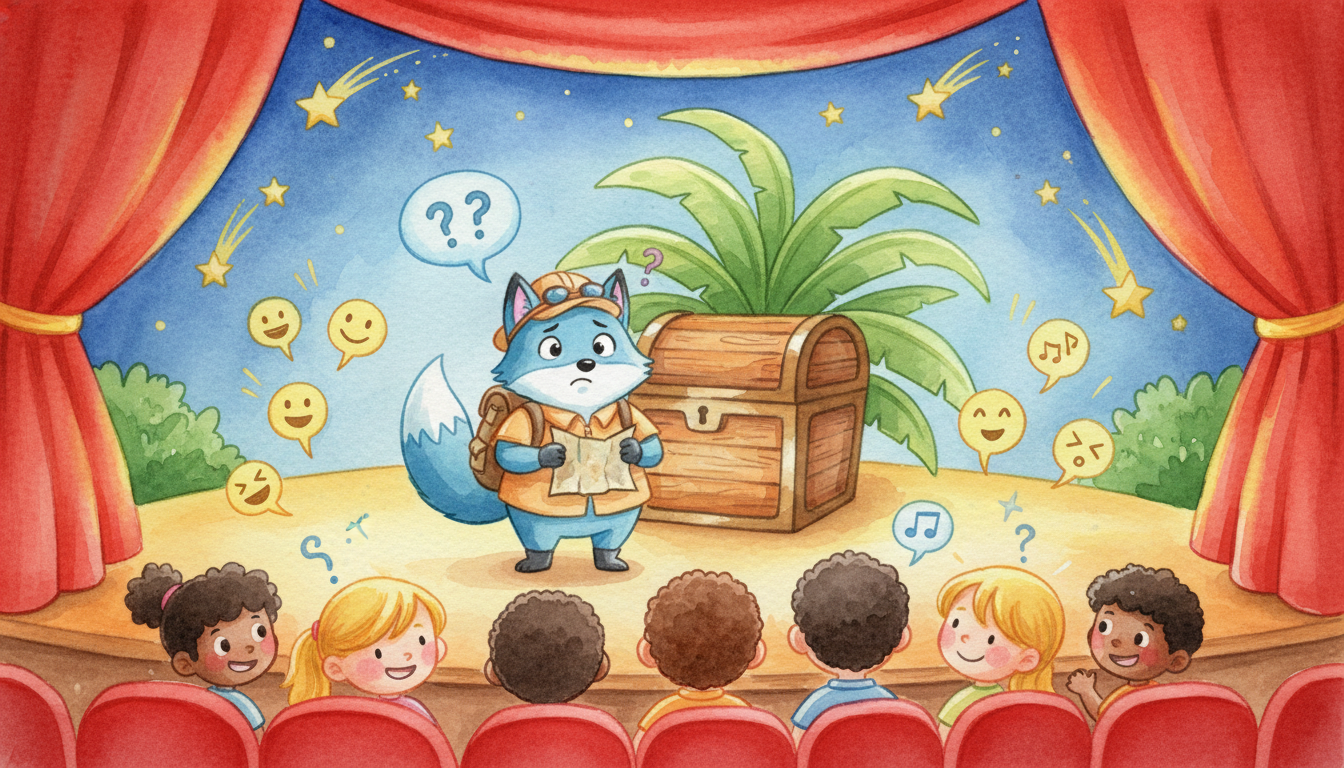
Dramatic irony occurs when the audience knows something that a character does not. In literature, this device creates tension and engagement, as seen in 'The Hunger Games' when viewers understand Peeta's intentions while Katniss does not.
Dramatic irony is a powerful literary device that enriches storytelling by creating a gap between what the audience knows and what the characters understand. It occurs when the audience is aware of a situation that the characters are not, which often leads to heightened emotional involvement and anticipation. A classic example can be found in 'The Hunger Games', where the audience is privy to Peeta's true intentions of protecting Katniss, while she remains unaware of his sacrifice.
To understand dramatic irony fully, let's break down its definition and explore its implications. In literature, the essence of dramatic irony lies in the audience's superior knowledge. This device is not merely for shock value; it serves to deepen the narrative, provoke thought, and elicit empathy from the audience. As they witness characters navigate their misunderstandings, viewers or readers become more invested in the story’s outcome.
In 'The Hunger Games', for instance, the viewers see Peeta's actions and motivations clearly. They know he is trying to shield Katniss from the dangers of the Games, a fact that adds tension and poignancy to the unfolding drama. Katniss, however, is oblivious to this. This contrast between the audience's knowledge and Katniss's ignorance creates a feeling of suspense; readers may feel anxious about whether Katniss will ever realize Peeta's true intentions.
Dramatic irony is prevalent in various forms of storytelling, including theater, film, and novels. Shakespeare’s plays are renowned for their use of this device. In 'Romeo and Juliet', for example, the audience is aware that Juliet is not truly dead, while Romeo believes she is. This tragic misunderstanding leads to a heartbreaking conclusion, showcasing how dramatic irony can amplify emotional stakes.
In everyday life, we encounter situations that resemble dramatic irony. For instance, when someone plans a surprise party for a friend, the friend may be oblivious to the preparations happening around them, creating a sense of excitement for the audience (the party planners) while the friend remains unaware of the upcoming celebration. This real-world example illustrates how dramatic irony can occur outside of literature as well.
Understanding dramatic irony not only enhances your reading experience but also equips you with valuable analytical skills. When analyzing a text, consider what the audience knows versus the characters. This perspective can lead to richer discussions and deeper insights into themes, character motivations, and narrative structure.
In conclusion, dramatic irony is a crucial literary device that engages audiences by creating tension and emotional investment. Recognizing this technique can enhance your appreciation of literature and improve your analytical skills, making you a more perceptive reader. Always look for moments where the audience knows more than the characters; they often lead to the most compelling and memorable parts of a story.
Was this answer helpful?