
What Are the Differences Between Black Bears and Moose?
Quick Answer
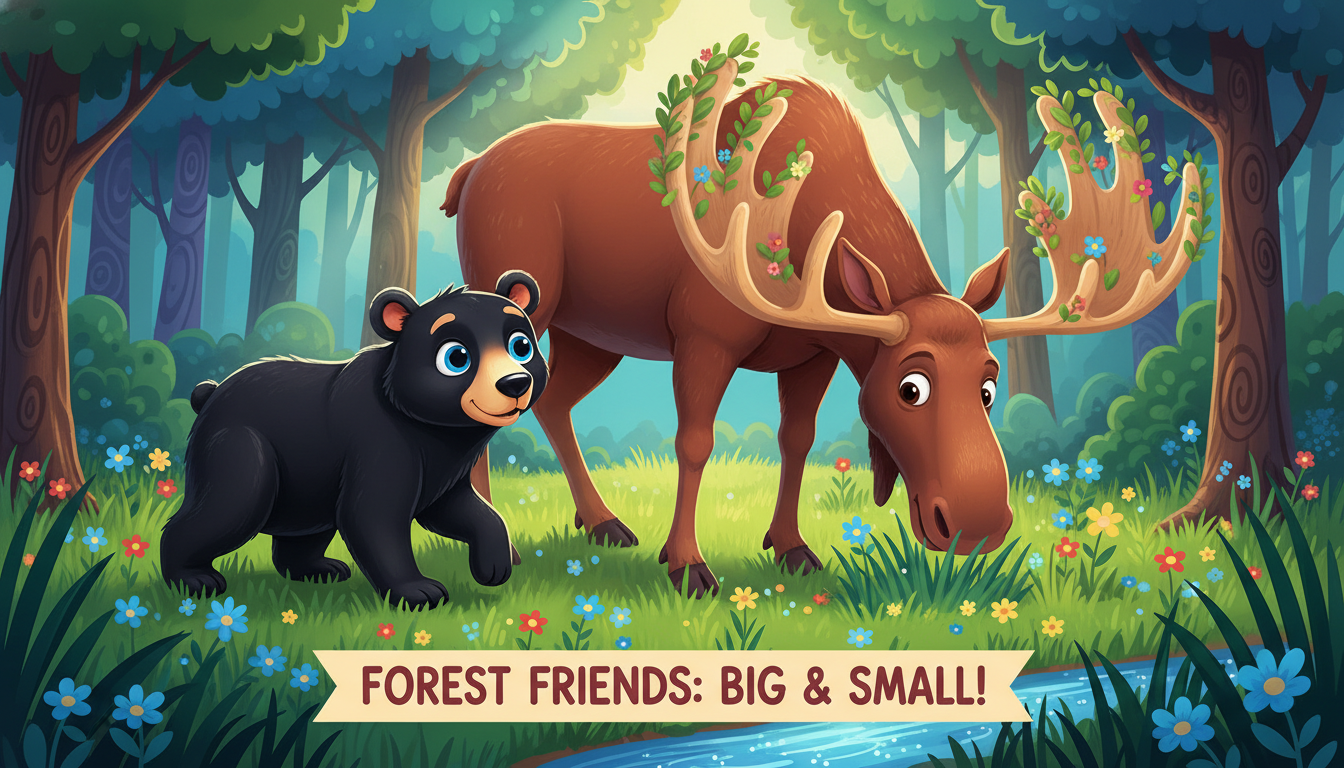
Black bears and moose are two unique species found in North America. While black bears are smaller, weighing between 200-600 pounds and known for their climbing skills, moose are the largest deer species, often exceeding 1,000 pounds and characterized by their long legs and massive antlers.
Black bears and moose are two of North America's most iconic animals, each possessing distinct characteristics and behaviors that make them fascinating subjects of study.
**Physical Differences**:
Black bears generally weigh between 200 and 600 pounds, with males being larger than females. They have a robust body, short legs, and can vary in color from black to brown. In contrast, moose are the largest members of the deer family, with adult males weighing over 1,000 pounds. They stand tall with long legs, enabling them to navigate through deep snow and tall vegetation. Moose have large, droopy noses and, in males, impressive antlers that can span up to six feet.
**Habitat**:
Both animals can be found in forested areas across North America, but they have different habitat preferences. Black bears often inhabit wooded areas and mountains, while moose are usually found in wetlands, where they can access their preferred food sources.
**Diet**:
Black bears are omnivores; their diet includes berries, nuts, insects, and fish, making them opportunistic feeders. They use their sharp claws to dig into the ground for food and are excellent climbers, often foraging in trees. Moose, on the other hand, primarily consume plant material, favoring leaves, twigs, and aquatic plants. They are known for their ability to forage underwater, using their long legs to reach submerged vegetation.
**Behavior**:
Both animals are generally solitary, but they do have interesting interactions. Black bears are active both during the day and at night, depending on food availability, while moose are mostly crepuscular, meaning they are more active during dawn and dusk. When it comes to encounters between the two, fights are rare due to the size difference, with moose being much larger and stronger.
**Adaptations**:
Black bears have a thick coat of fur that helps them survive in various climates, and they hibernate during the winter months to conserve energy. Moose, adapted to cold environments, have a thick layer of fat and fur that insulates them against harsh weather. In summer, they shed their thick fur and may even take to the water to cool off.
Understanding these differences not only enriches our knowledge of wildlife but also highlights the importance of conserving their habitats. Both black bears and moose play significant roles in their ecosystems, and learning about them can foster a deeper appreciation for the natural world. If you're curious about specific behaviors, seasonal adaptations, or other wildlife species, feel free to explore further!
Was this answer helpful?