
How Does CRISPR-Cas9 Gene Editing Work? A Student's Guide
Quick Answer
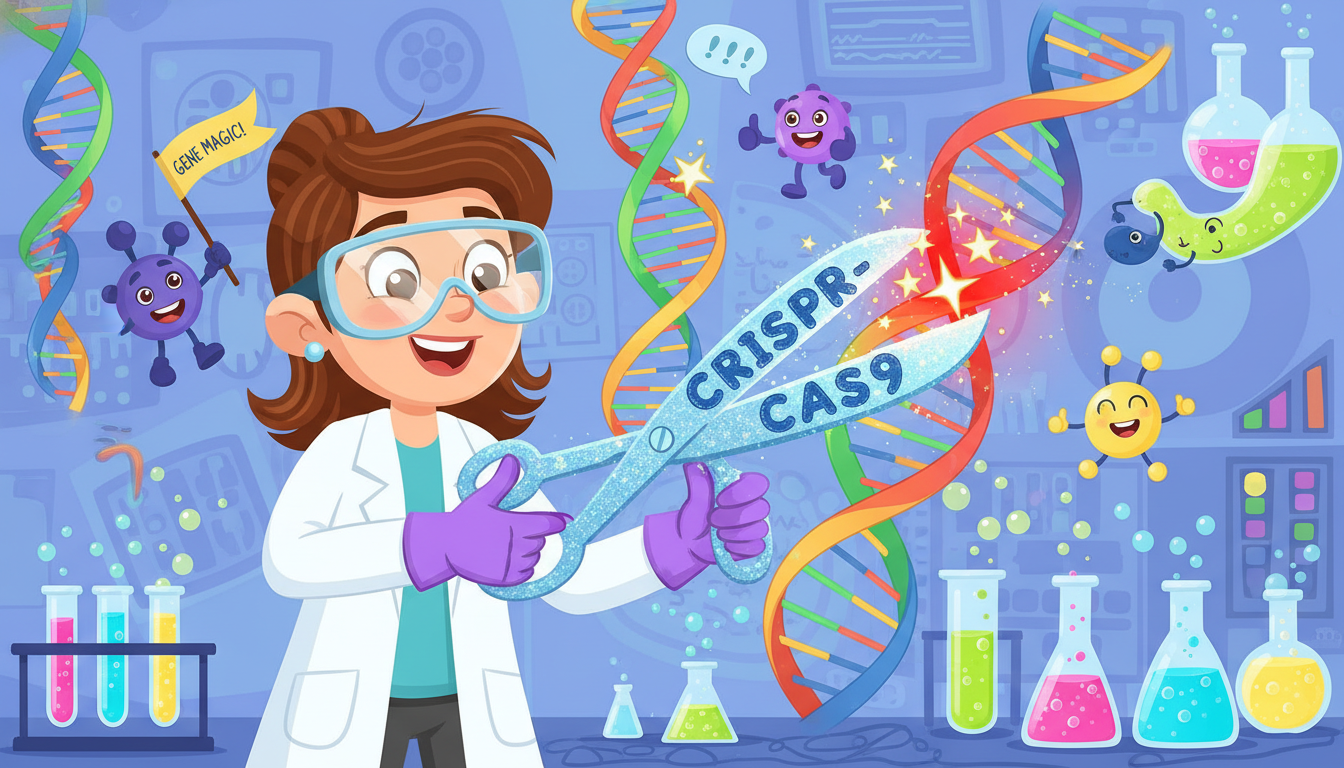
CRISPR-Cas9 is a gene-editing tool that acts like molecular scissors to cut specific DNA sequences. Scientists use it to disable malfunctioning genes or edit DNA for research and therapeutic purposes.
CRISPR-Cas9 is a groundbreaking technology that has revolutionized the field of genetics and molecular biology. This tool allows scientists to precisely edit DNA by targeting specific sequences in the genome. Here’s how it works:
At its core, CRISPR-Cas9 functions like a pair of molecular scissors. It consists of two main components: the Cas9 protein and a piece of RNA known as guide RNA (gRNA). The gRNA is designed to match a specific DNA sequence within the target gene. When introduced into a cell, the gRNA guides the Cas9 protein to the exact location in the DNA where a cut is needed.
Once the Cas9 protein reaches this target sequence, it makes a precise cut in the DNA strand. This cutting action can disable a gene that may be malfunctioning. For example, if a gene is causing a genetic disorder, scientists can use CRISPR-Cas9 to 'knock out' that gene by cutting it, which may prevent the disease from manifesting.
After Cas9 makes the cut, the cell's natural repair mechanisms kick in to fix the broken DNA. This is where the real magic of CRISPR-Cas9 happens. Scientists can manipulate this repair process to introduce changes in the DNA. They can either insert new genetic material or delete existing sequences, effectively editing the gene. This capability is invaluable in research, allowing scientists to study gene functions and their contributions to disease.
For instance, researchers are exploring CRISPR-Cas9 for potential therapies for conditions like sickle cell anemia and certain types of cancer. By correcting faulty genes, CRISPR-Cas9 offers hope for treating these diseases at their genetic root.
In addition to medical applications, CRISPR-Cas9 is also used in agriculture to create genetically modified organisms (GMOs) that can resist pests or have enhanced nutritional value. This technology has broad implications, providing tools for improving food security and crop resilience in the face of climate change.
In summary, CRISPR-Cas9 is a powerful gene-editing tool that enables precise modifications of DNA. Its ability to target specific genetic sequences and facilitate repairs opens up numerous possibilities in medicine, agriculture, and beyond. As research continues, CRISPR-Cas9 holds significant promise for advancing our understanding of genetics and developing innovative treatments for various diseases.
Was this answer helpful?