
Understanding Voltage: How it Relates to Water Pressure
Quick Answer
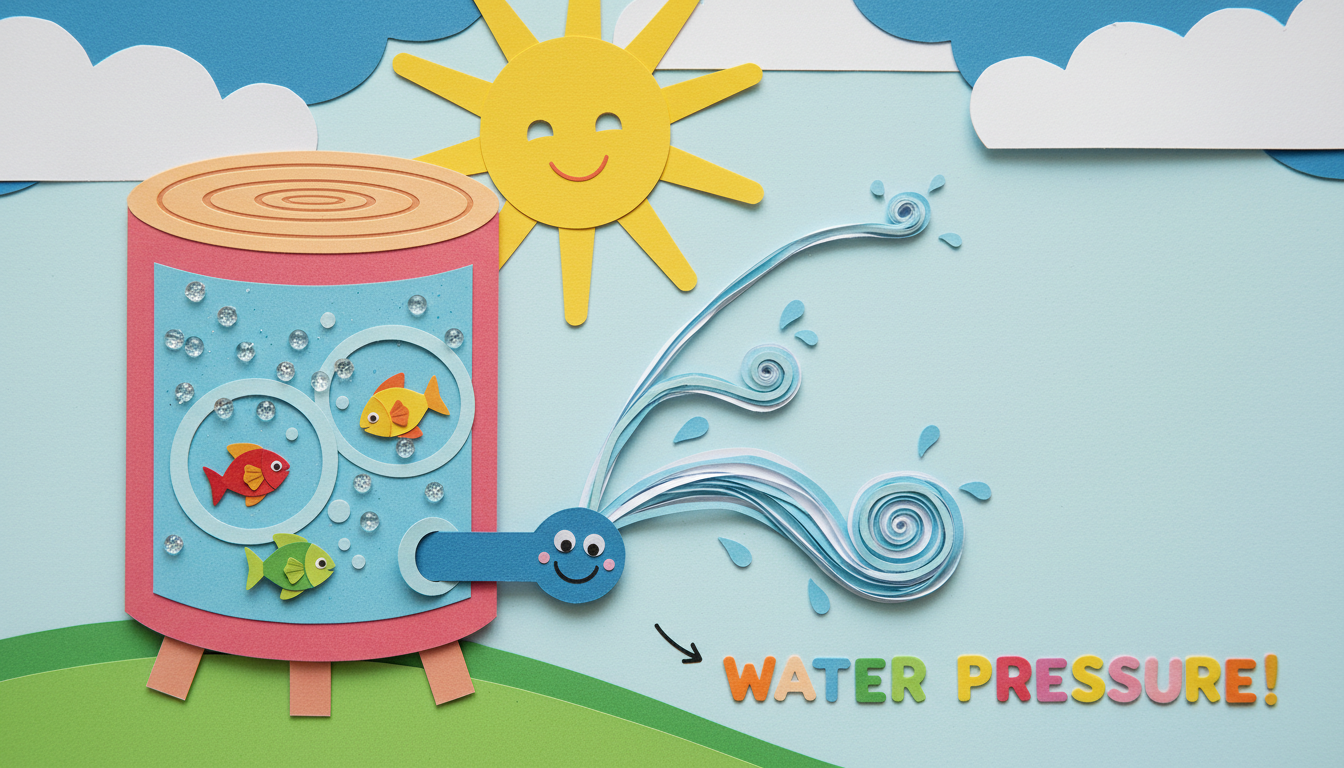
Voltage is similar to water pressure in a pipe; it represents the push that drives electric charges through a circuit. Understanding this analogy helps clarify the concepts of current and resistance in electrical systems.
Voltage is a fundamental concept in electricity, often described using analogies to make it easier to grasp. One of the most effective analogies is comparing voltage to water pressure in a pipe system. Just like water pressure pushes water through pipes, voltage pushes electric charges through a circuit.
To break it down further:
- **Voltage (V)** can be thought of as the *push* that electric charges feel. When there's a difference in voltage between two points in a circuit, it prompts electrical current to flow.
- **Current (I)**, measured in amperes, is analogous to the flow rate of water. It represents the amount of electric charge flowing per second. In our water analogy, a higher flow rate means more water is moving through the pipe at once.
- **Resistance (R)** is like the narrowness or roughness of the pipe. A narrower or rougher pipe slows down the flow of water, just as high resistance in a circuit limits the flow of electric current.
When looking at the analogy:
1. **Pressure of water moving through a pipe** is the closest match to voltage. It signifies how strongly the water (or electric charge) is being pushed.
2. A **turbine or mill** in the water system represents a device that converts the energy of water into mechanical energy, which is more akin to the load in an electrical circuit that uses the current.
3. The **length of the pipe** can be compared to the total distance the electric current travels, but it doesn’t directly represent the push of voltage.
4. The **diameter of the pipe** affects resistance; a wider pipe allows more water to flow with less resistance, similar to how lower resistance in a circuit allows more current to flow.
Understanding these relationships not only clarifies how voltage works but also enhances your grasp of basic electrical principles. This analogy aids in visualizing how electricity behaves in circuits, making it easier to tackle more complex electrical engineering concepts later on. Whether you're working on a science project, preparing for an exam, or simply curious about how electricity works, remembering the water analogy can be a helpful tool.
In real-world applications, this understanding is critical for designing electrical systems, creating safe circuits, and troubleshooting electrical issues. For example, engineers often consider resistance and voltage when creating power distribution systems to ensure efficiency and safety in delivering electricity to homes and businesses.
Was this answer helpful?