
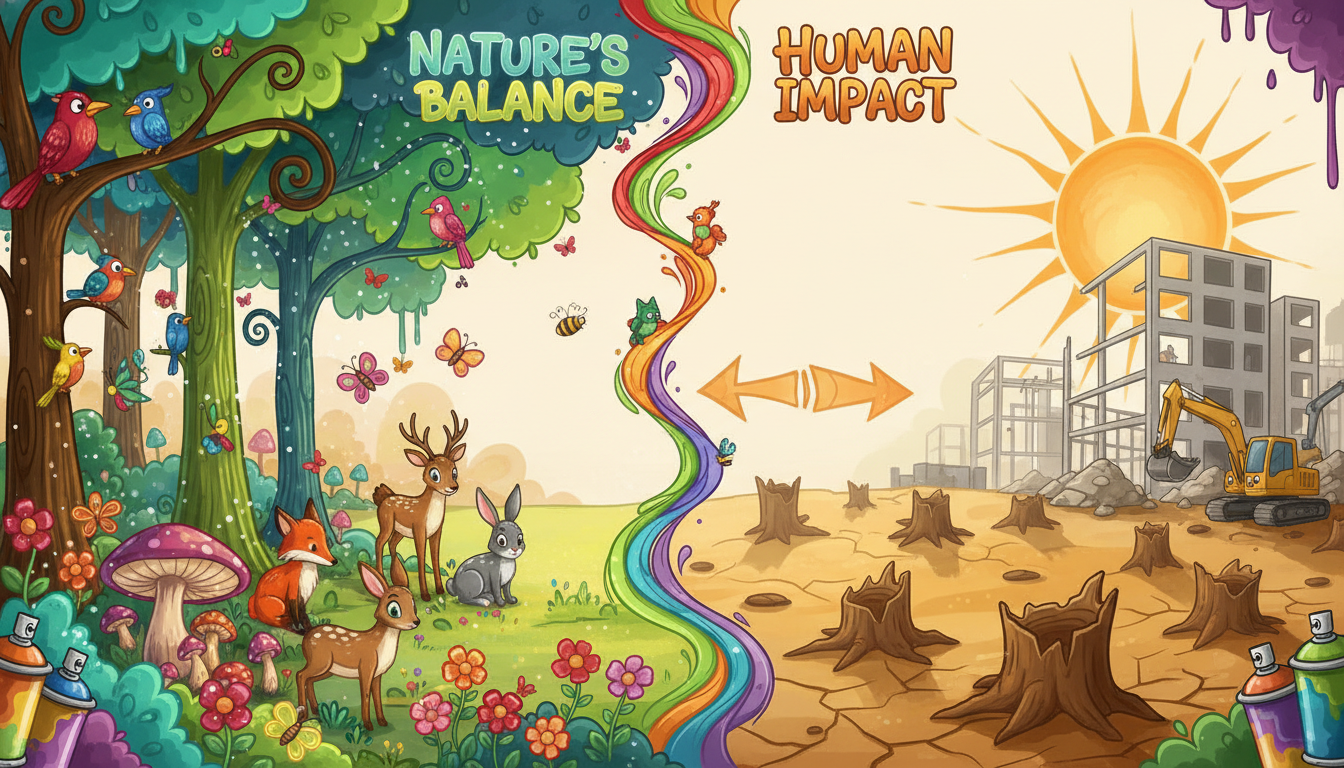
What Causes Habitat Loss? Understanding Environmental Impact
Quick Answer
Habitat loss is primarily caused by activities such as trawling, commercial fishing, and the ivory trade. Each of these contributes to the destruction of natural environments, affecting wildlife and ecosystems.
Habitat loss is a pressing environmental issue that affects ecosystems worldwide. It occurs when natural habitats are altered or destroyed, making it difficult for wildlife to survive. One significant contributor to habitat loss is trawling, a fishing method that involves dragging heavy nets across the seafloor. This practice not only removes fish from the ocean but also devastates important habitats like coral reefs and seagrass beds.
Coral reefs are vital ecosystems that support a diverse range of marine life, providing shelter, food, and breeding grounds. When trawling occurs, it can uproot these delicate structures, leading to a decline in biodiversity and disrupting the balance of marine life. Similarly, seagrass beds serve as nurseries for many fish species and play a crucial role in maintaining water quality. The destruction of these habitats due to trawling can have long-term impacts on fish populations and the overall health of marine ecosystems.
Another activity contributing to habitat loss is commercial fishing. While it is essential for providing food for many people, certain fishing practices can lead to overfishing and the depletion of fish stocks. This not only threatens the fish populations but also affects the species that rely on them for survival, creating a ripple effect throughout the food chain.
The ivory trade is another example of a human activity that leads to habitat loss. The demand for ivory has resulted in significant poaching of elephants, which play a crucial role in their ecosystems. As elephants are removed from their habitats, the landscapes they once roamed can change drastically. Elephants help to shape their environments by creating paths through dense vegetation, which other animals use, and by dispersing seeds through their dung, promoting plant growth. When elephants are poached, the vegetation dynamics can shift, leading to further habitat degradation.
In summary, various activities contribute to habitat loss, including trawling, commercial fishing, and the ivory trade. Each of these human actions disrupts natural environments, making it harder for wildlife to thrive. When faced with multiple-choice questions about habitat loss, remember that if several options are correct, choosing 'All of these' is often the best answer. It's essential to consider the broader implications of these activities on wildlife and ecosystems, as understanding these relationships can foster a deeper appreciation for environmental conservation efforts.
Was this answer helpful?