
What is Adaptive Immunity and How Does it Work?
Quick Answer
Adaptive immunity, also known as acquired immunity, allows the immune system to remember past pathogens. This memory enables a faster and stronger response to previously encountered infections, which is the principle behind how vaccines work.
Adaptive immunity, often referred to as acquired immunity, is a remarkable feature of the immune system that enables it to remember and respond to pathogens it has previously encountered. This memory is crucial for ensuring that the body can mount a quick and effective defense against infections it has faced before. The adaptive immune system mainly involves specialized white blood cells, specifically B and T lymphocytes.
When a pathogen, like a virus or bacteria, enters the body for the first time, the adaptive immune system kicks into action. The B cells produce antibodies that bind to the pathogen, marking it for destruction, while T cells help to kill infected cells or assist other immune cells. During this process, the adaptive immune system creates memory cells that retain information about the pathogen's characteristics.
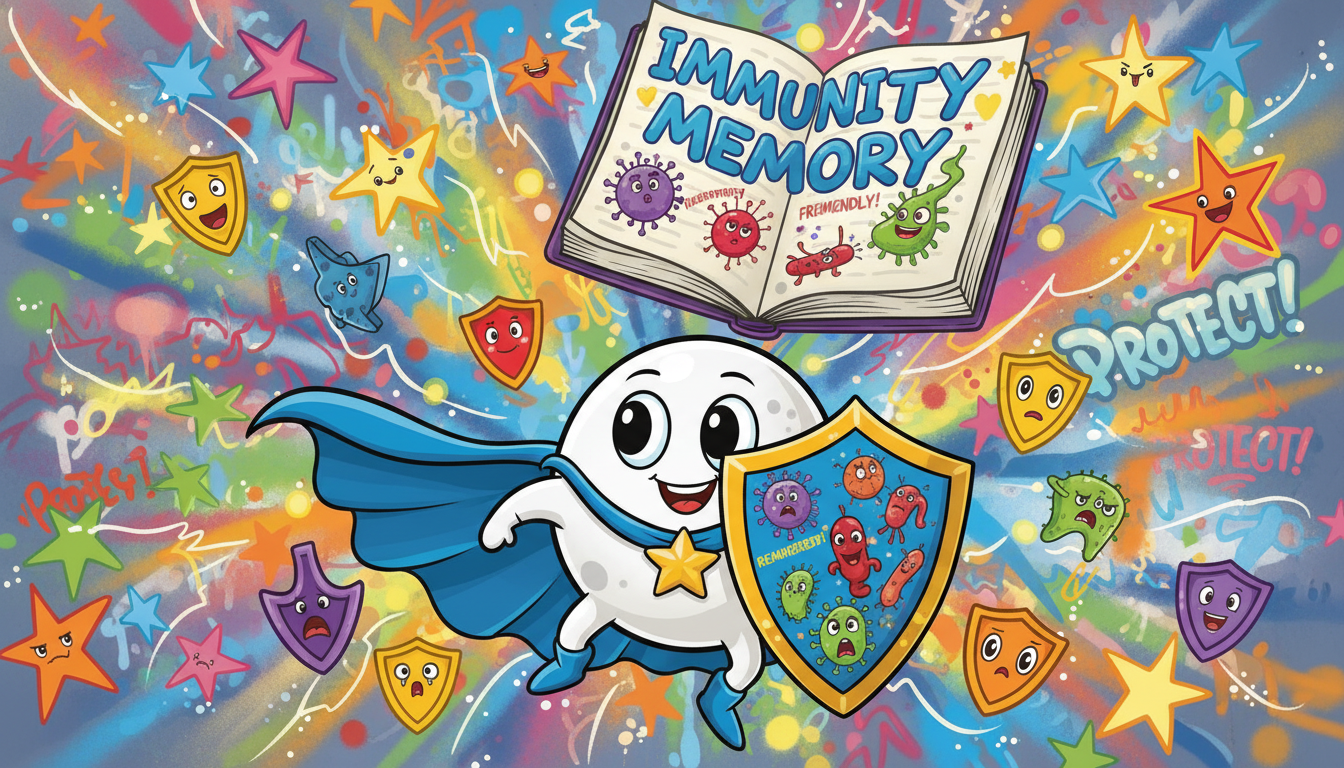
These memory cells are key to immunological memory. If the same pathogen tries to invade the body again, these memory cells quickly recognize it and initiate a faster and more potent immune response. This is why you may only get some diseases, like chickenpox, once in your life; your body remembers how to fight off the virus thanks to its memory cells.
Vaccines utilize this concept of adaptive immunity. They introduce a harmless component of a pathogen, such as an inactivated virus or a piece of its genetic material, into the body. This exposure trains the immune system to recognize the pathogen without causing the actual disease. For example, the flu vaccine contains inactivated or weakened strains of the flu virus. After vaccination, your immune system creates memory cells specifically for the flu virus, so if you encounter it in the future, your body can respond effectively before you get sick.
The process of developing adaptive immunity can take time, which is why it's important to get vaccinated before the flu season or any other outbreak. Overall, understanding adaptive immunity not only highlights the incredible capabilities of the immune system but also underscores the importance of vaccinations in public health. By getting vaccinated, individuals contribute to herd immunity, protecting those who cannot be vaccinated, such as young children or people with certain medical conditions.
In conclusion, adaptive immunity is a powerful defense mechanism that exemplifies how the body learns and remembers pathogens. This remarkable system not only helps individuals stay healthy but also plays a significant role in controlling and preventing infectious diseases on a larger scale.
Was this answer helpful?