
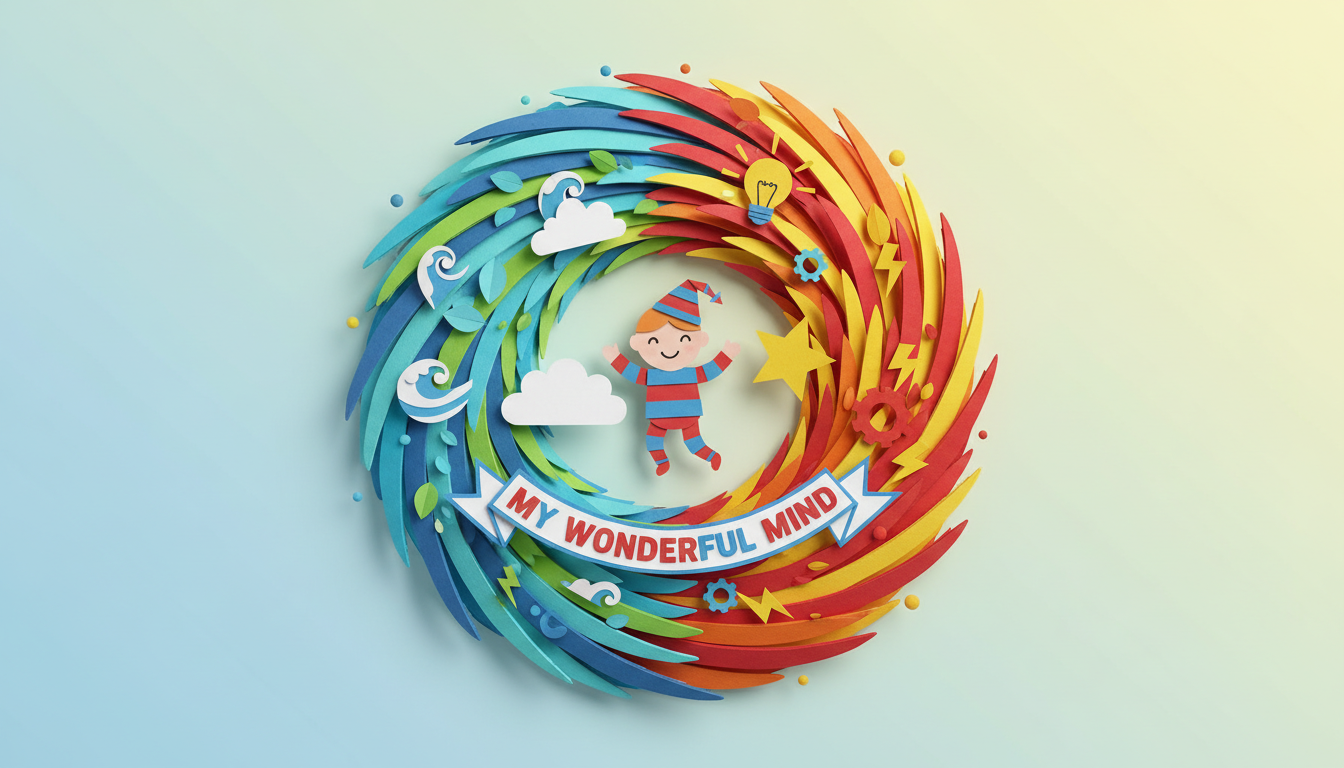
Do Humans Alternate Between Low and High Thinking States?
Quick Answer
Yes, humans alternate between low and high thinking states. This fluctuation can be seen in our daily activities, where we switch from relaxed, daydreaming states to focused, intense concentration.
The concept of humans alternating between low and high thinking states is grounded in our cognitive and emotional processes. Think of our minds as having different gears; sometimes we operate in a low gear, which is characterized by relaxed, less intense thinking, similar to daydreaming or light reflection. In contrast, when we switch to a high gear, we engage in deep concentration, problem-solving, or intense learning.
This fluctuation can be influenced by various factors, including the task at hand, emotional state, and environmental conditions. For instance, during a lecture or while studying for an exam, students often find themselves toggling between focused attention on complex information and moments of distraction or fatigue, where their thinking may become more relaxed and less structured.
Moreover, these changes in thinking states are not just a phenomenon limited to students. Adults experience similar shifts in their cognitive processes throughout their daily lives, whether while working on challenging projects, engaging in conversations, or even during creative endeavors. Understanding this alternation can help individuals harness their cognitive strengths, allowing them to manage their focus and productivity effectively.
To optimize learning or productivity, recognizing when you're in a low thinking state can be crucial. Strategies such as taking short breaks, engaging in physical activity, or practicing mindfulness can help transition back to a higher thinking state when needed. Similarly, fostering environments that minimize distractions can promote sustained focus, essential for tasks that require deep cognitive engagement.
In summary, acknowledging and understanding the dynamics of low and high thinking states can enhance personal and academic growth, ultimately leading to improved cognitive performance and mental well-being.
By embracing these natural fluctuations, individuals can develop better study habits, more effective work practices, and a deeper understanding of their cognitive processes.
Was this answer helpful?