
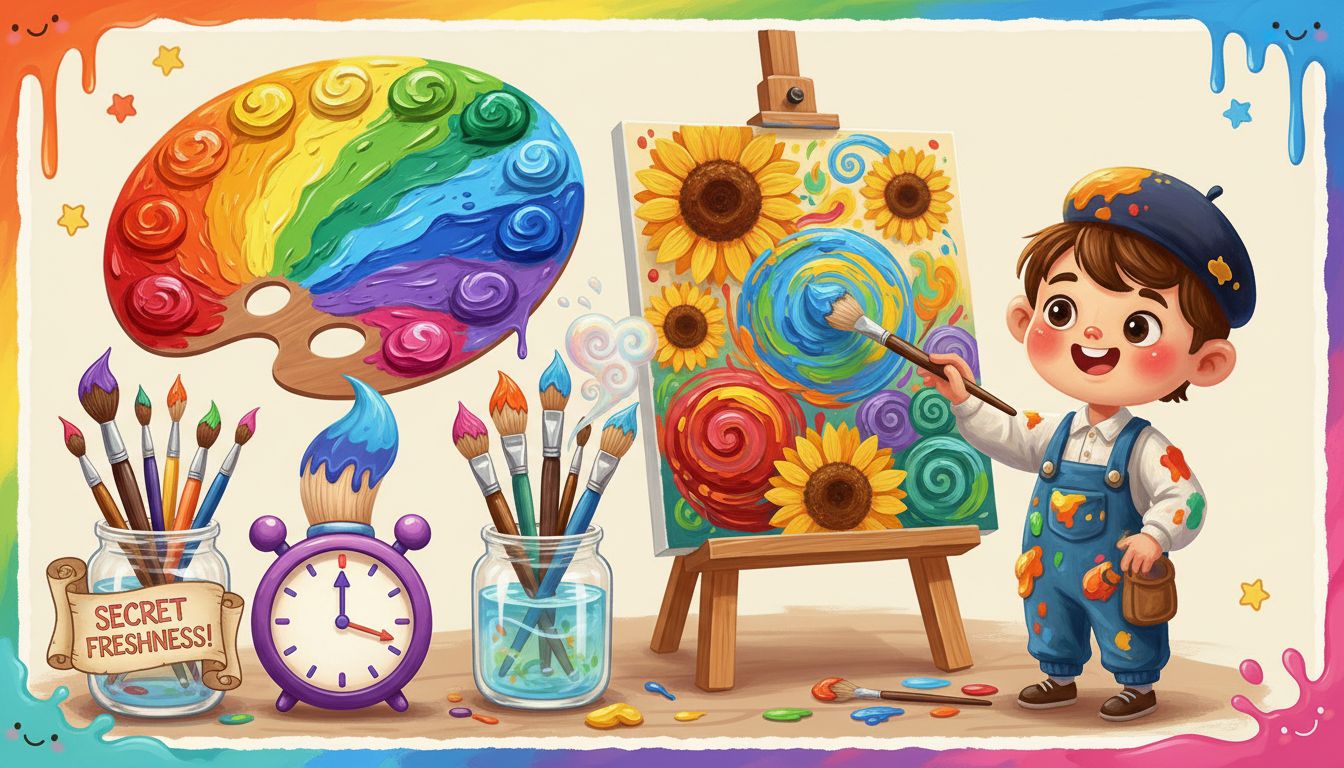
How to Use Acrylic Paint: Tips for Beginners and Pros
Quick Answer
Acrylic paint is a versatile medium used by both beginners and professionals. To prevent it from drying too quickly, consider using a palette with a lid or a stay-wet palette.
Acrylic paint is a popular choice among artists of all skill levels due to its versatility, affordability, and ease of use. It is made by mixing pigment with an acrylic polymer emulsion, which gives it unique properties, such as quick drying times and the ability to be used on various surfaces. This paint can be used on canvas, wood, paper, and even fabric, making it a favorite for both beginners and professional artists alike.
For beginners, acrylic paint offers a forgiving medium that dries quickly, allowing for fast layering and corrections. New artists often find themselves experimenting with colors and techniques without the worry of a long drying time, which can be a challenge with oils or watercolor paints. Pros utilize acrylics for their ability to mix well with other materials and mediums, creating unique textures and effects.
One common issue with acrylic paint is its tendency to dry quickly on palettes and brushes. This can be frustrating, especially for beginners who may not finish their work in one sitting. To keep acrylic paint from drying out too fast, here are some practical tips:
1. **Stay-Wet Palettes**: Invest in a stay-wet palette that keeps your paints moist for longer periods. These palettes contain a damp sponge or paper that maintains humidity, preventing the paints from drying out too quickly.
2. **Use a Spray Bottle**: Keep a small spray bottle filled with water handy. Lightly mist your palette and brushes as you work. This will help keep the paint workable without diluting it too much.
3. **Work in Smaller Sections**: Instead of applying paint to large areas, work in smaller sections. This allows you to finish one part before the paint dries, minimizing waste and frustration.
4. **Add Retarder**: Consider using a retarder, which is a medium that slows down the drying time of acrylic paint. Just a few drops mixed into your paint can give you extra time to work.
5. **Temperature and Humidity**: Be mindful of your working environment. Acrylics dry faster in warm, dry conditions. Painting in a cooler, more humid room can help extend drying times.
In summary, acrylic paint is a dynamic medium suitable for artists at any level. By understanding how to manage its drying time, both beginners and professionals can enjoy a more seamless painting experience. Embracing these techniques will not only enhance your skills but also empower your creativity, allowing you to express yourself freely on canvas.
Was this answer helpful?