
How Has Bhutan's Geography Influenced Its History and Culture?
Quick Answer
Bhutan's mountainous geography has led to its isolation, significantly influencing its distinct culture and history. This natural barrier protected it from invasions and allowed the development of unique traditions and political systems.
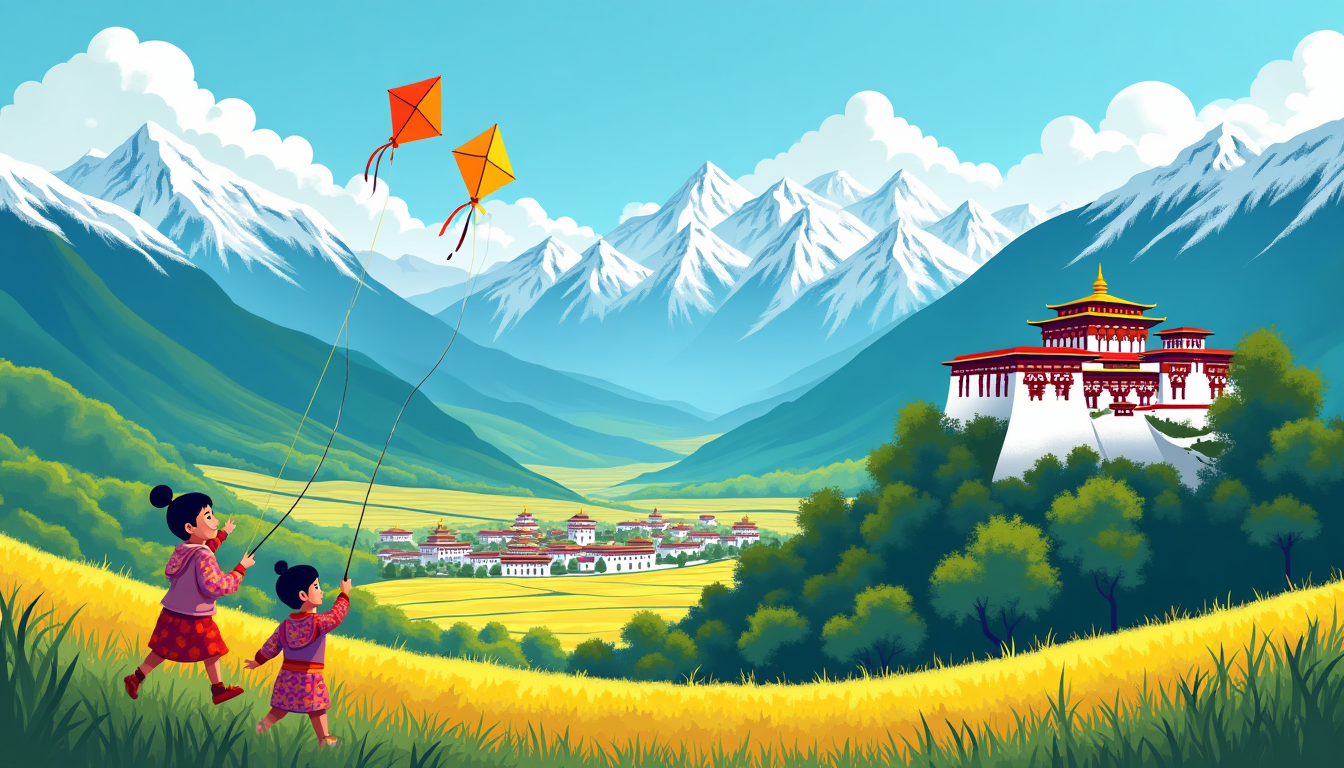
Bhutan, a small landlocked country nestled in the eastern Himalayas, boasts a geography that has profoundly shaped its history and culture. This mountainous terrain, characterized by steep peaks and deep valleys, has created a natural fortress, which has historically isolated the nation from its neighbors. As a result, Bhutan has been able to cultivate a unique cultural identity that is distinctly its own.
The isolation provided by the towering mountains meant that Bhutan was less influenced by foreign cultures compared to many other countries. This seclusion allowed the Bhutanese people to develop their own customs, traditions, and languages without the heavy imprints of outside civilizations. For instance, Bhutan is known for its vibrant festivals, such as Tshechu, which are deeply rooted in Buddhist traditions unique to the region.
Geography also plays a crucial role in Bhutan's defense mechanisms. The challenging landscape served as a natural barrier against invasions, allowing the country to maintain its sovereignty and independence. This aspect of Bhutan's geography has been vital in shaping its political history, as the nation has remained largely untouched by colonial powers that have influenced many other Asian countries.
Moreover, the rich natural resources found in Bhutan's environment, including abundant forests and clean water, have supported the traditional agrarian lifestyle of its people. The fertile valleys have been conducive to agriculture, which remains a cornerstone of the Bhutanese economy and culture. The emphasis on sustainability and preserving the environment is also reflected in Bhutan's commitment to Gross National Happiness, a philosophy that prioritizes the well-being of its citizens over mere economic growth.
Religion is another area where geography has had a significant impact. Many of Bhutan's iconic monasteries and religious sites are strategically located in remote, mountainous areas, symbolizing the connection between the land and spirituality. The dramatic landscapes not only provide breathtaking backdrops for these sacred sites but also serve as places of refuge and reflection for the Bhutanese people.
In summary, Bhutan's geography has been a defining force in shaping its history and culture. The isolation provided by its mountains has allowed for the development of unique traditions and a strong sense of identity, while also offering protection from external threats. Understanding this relationship between geography and culture is essential for appreciating the rich tapestry of Bhutanese life today.
Was this answer helpful?