
What Was Life Like in California During the Gold Rush?
Quick Answer
During the California Gold Rush, towns experienced rapid growth as people flocked to seek fortune. However, this rush led to lawlessness and violence, as there were few regulations to maintain order.
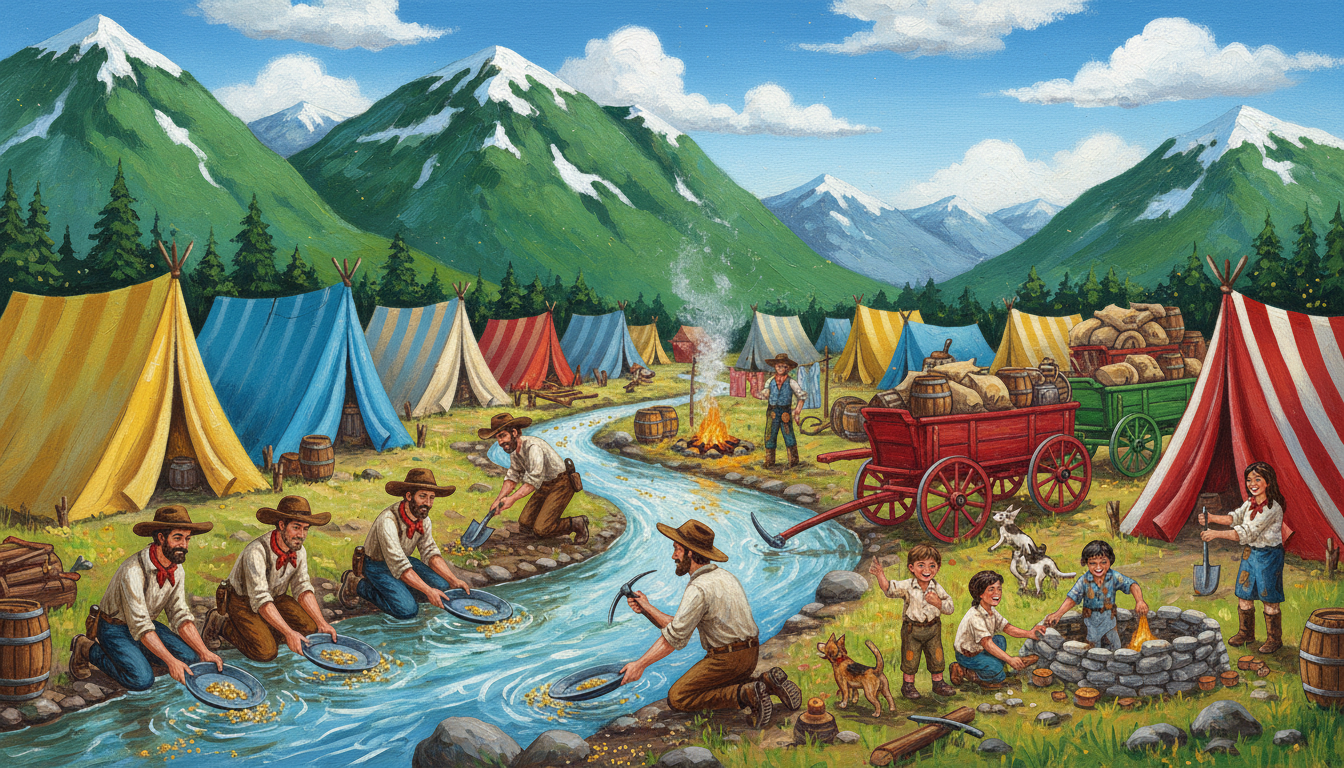
The California Gold Rush, which began in 1848, was a significant event that transformed the landscape and society of California. When gold was discovered at Sutter's Mill, it sparked a massive influx of people from all over the United States and even other countries. This migration led to the rapid formation of towns and communities as prospectors sought their fortunes.
However, the rapid growth of these towns came with significant challenges. Due to the swift arrival of thousands of people, often with little preparation or support, many towns became chaotic. The lack of established laws and government meant that order was hard to maintain. As a result, many towns were often described as 'lawless and violent.' This lawlessness contributed to a high level of crime, including theft and violence, as individuals competed for limited resources and opportunities.
For example, famous mining towns like Deadwood and Virginia City became notorious for their rough reputations. Conflicts often arose over claims to gold mines, and without a formal legal system, disputes were frequently settled through violence. Vigilante justice became common as communities formed informal groups to impose their own rules and punish wrongdoers.
In contrast, some towns managed to establish a semblance of order by creating local governance structures. These towns often thrived as they developed businesses, schools, and social institutions. However, even in these more organized areas, the overarching atmosphere of competition and greed from the Gold Rush era created an underlying tension that could erupt at any moment.
The Gold Rush had lasting impacts on California's development and demographics. By 1850, California was admitted as a state, and the rapid influx of people contributed to its diverse cultural landscape. The experiences of these early settlers and miners laid the foundation for California's future as a major economic and cultural hub in the United States.
In summary, the Gold Rush era was marked by both opportunity and danger. While it attracted many hopeful individuals seeking wealth and a better life, the lack of law and order created environments that were often unstable and violent. Understanding this period provides insight into the complexities of American history and the development of the West.
Was this answer helpful?