
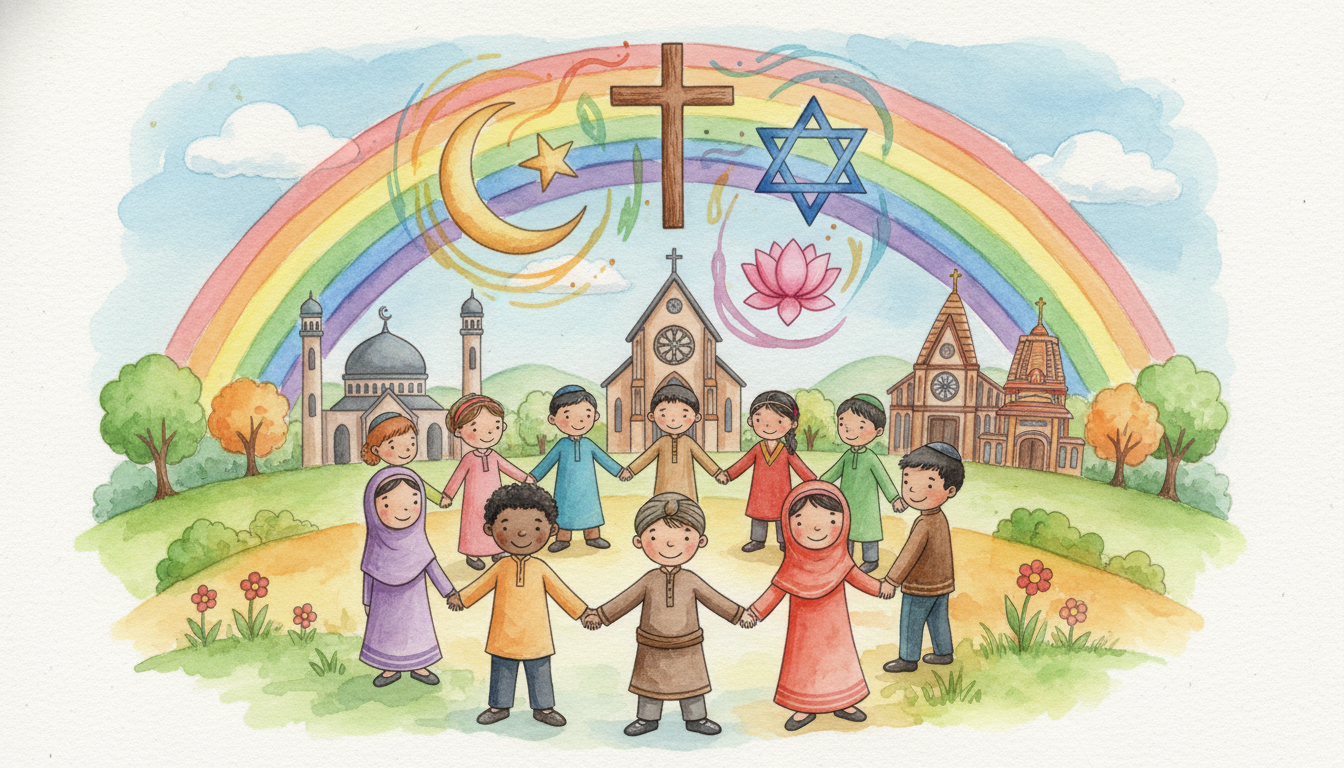
What Are the Rights Related to Freedom of Religion?
Quick Answer
Rights related to freedom of religion include 'freedom of religion,' 'right to practice my religion,' and 'right to choose my own religion or no religion.' These rights ensure individuals can worship freely without government interference.
Understanding your rights, especially those concerning freedom of religion, is crucial in a democratic society. The right to freedom of religion is enshrined in the First Amendment of the United States Constitution, which states that Congress shall make no law respecting an establishment of religion or prohibiting the free exercise thereof. This foundational principle protects not only the right to practice any religion but also the right to choose not to practice any religion at all.
When discussing specific examples of rights related to religion, here are three essential phrases you can use:
1. **Freedom of Religion**: This is the most straightforward expression of your right to believe in, practice, or follow any religion of your choice. It also includes the freedom to change your religion or beliefs.
2. **Right to Practice My Religion**: This phrase emphasizes that individuals have the right to engage in religious practices, such as attending services, observing religious holidays, and participating in rituals. It highlights the active component of belief.
3. **Right to Choose My Own Religion or No Religion**: This statement reinforces the concept of personal autonomy in religious matters. It acknowledges that individuals can decide what they believe or do not believe, which is a fundamental aspect of individual freedom.
In an educational context, it may be helpful to frame these rights within real-world applications. For example, when discussing freedom of religion, you can mention how it allows individuals to participate in community events related to their faith, how schools accommodate different religious practices, or how workplaces respect diverse beliefs.
When filling out an assignment or project, clarity is essential. If you are required to list specific rights, using well-defined phrases like "freedom of religion" will help convey your understanding accurately. You might also consider elaborating on these rights in full sentences to provide more context. For instance, you could say, "Freedom of religion – I have the right to worship (or not worship) in a way that is meaningful to me."
In conclusion, recognizing and articulating your rights regarding freedom of religion is not only important for academic assignments but also essential in navigating everyday life in a diverse society. By understanding these rights, you empower yourself and others to respect and honor different beliefs and practices. This understanding is a vital component of fostering a tolerant and inclusive community.
Was this answer helpful?