
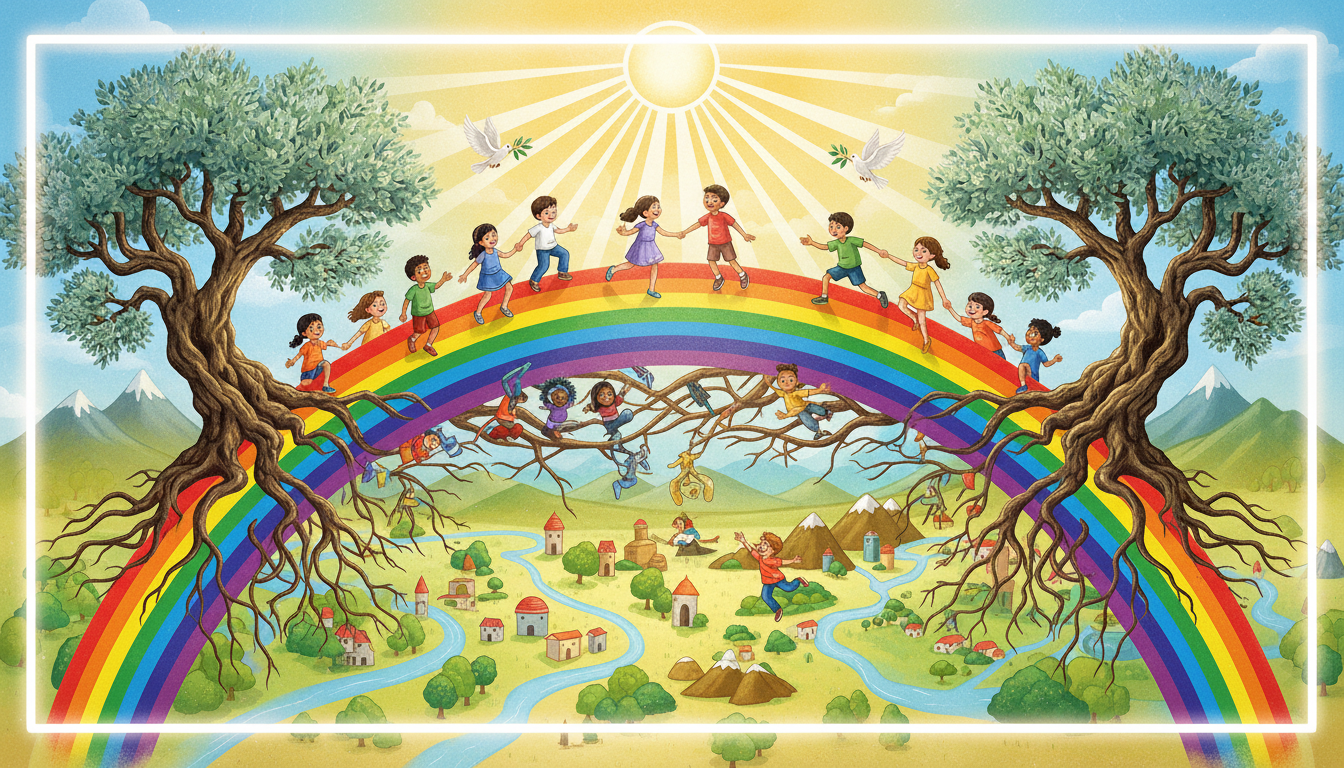
Understanding the Israel-Palestine Conflict: Key Historical Connections
Quick Answer
The Israel-Palestine conflict has deep historical roots, connecting ancient civilizations to modern issues. Understanding these connections is crucial for grasping contemporary geopolitical dynamics.
The Israel-Palestine conflict is a complex issue deeply rooted in history, geography, and cultural identity. It connects ancient civilizations to modern geopolitical struggles, making it a significant topic for students to explore.
In the Connections box of your worksheet, you noted that Israel and the Palestinians have historically had conflict, particularly in areas like Gaza. This observation is important as it highlights the ongoing nature of these disputes, which can be traced back to competing territorial claims and differing cultural and religious identities.
To enhance your understanding, consider the geographical significance of the region. The land that makes up modern-day Israel and Palestine has been home to various civilizations for thousands of years, including the ancient Israelites, Philistines, and many others. The historical significance of this land plays a crucial role in the current conflict, where both Israelis and Palestinians claim historical and cultural ties to the territory.
Additionally, it's helpful to recognize the impact of international politics on this conflict. Various peace attempts and foreign interventions have shaped the relationship between these two groups. For instance, the establishment of Israel in 1948 and the subsequent Arab-Israeli wars created a new reality for Palestinians, leading to displacement and ongoing tensions.
Furthermore, understanding the role of religion in this conflict can provide deeper insights. The area is home to sacred sites for Judaism, Islam, and Christianity. This religious significance complicates the territorial disputes, as both sides have strong emotional and spiritual connections to the land.
In summary, when discussing the Israel-Palestine conflict, it's essential to consider the historical, geographical, and cultural contexts that shape it. By doing so, you not only gain a clearer picture of the current situation but also develop a deeper understanding of the complexities involved in international relations today. This knowledge is valuable not only academically but also in fostering informed discussions about global issues.
By refining your original statement, you can articulate these connections more effectively. For instance, you could say, "I learned that the region where early civilizations formed is also where modern conflicts, like the one between Israelis and Palestinians, arise due to historical claims over land and cultural significance." This version emphasizes the importance of the connection and presents a more neutral tone, making it suitable for an academic setting.
Was this answer helpful?