
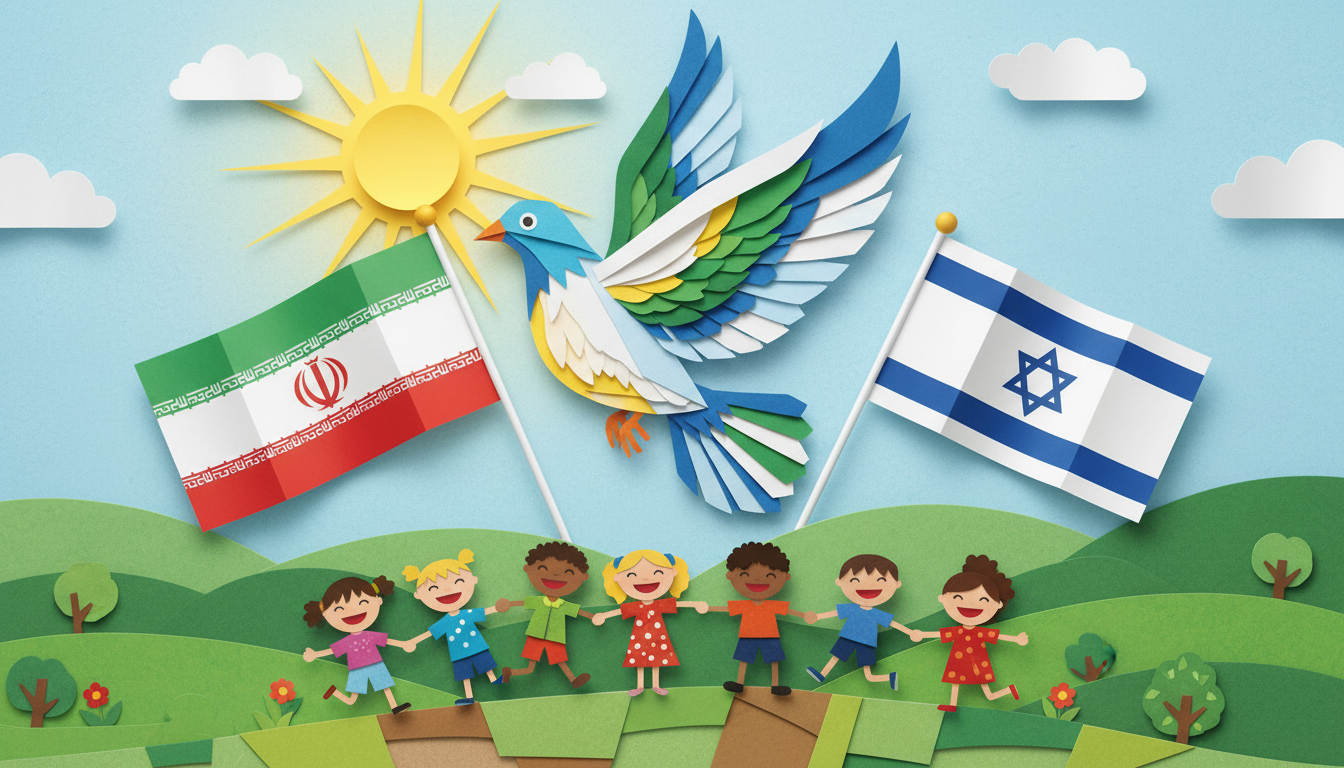
What Are the Implications of a U.S.-Backed Ceasefire Between Iran and Israel?
Quick Answer
A U.S.-backed ceasefire between Iran and Israel could lead to reduced violence, enhanced regional stability, and renewed diplomatic efforts. This agreement may also signify a shift in U.S. involvement and influence in Middle Eastern politics.
The implications of a U.S.-backed ceasefire between Iran and Israel are profound and multifaceted. For decades, these two nations have been embroiled in a tense rivalry characterized by conflict, ideological differences, and geopolitical maneuvering. A ceasefire, therefore, represents not just a pause in hostilities, but a critical juncture in Middle Eastern politics that could have far-reaching effects.
**1. Reduced Immediate Violence:**
The most immediate consequence of a ceasefire would be the cessation of active conflict. If recent hostilities have caused significant casualties or destruction, a ceasefire offers a vital opportunity for healing and reconstruction. This would save lives on both sides and help to avert the escalation into a larger, more devastating war.
**2. Enhanced Regional Stability:**
The Middle East is a complex tapestry of nations and non-state actors, many of which are influenced by or have ties to either Iran or Israel. Groups such as Hezbollah and Hamas, as well as various governments in the region, could be affected by a ceasefire. By lowering tensions between Iran and Israel, a ceasefire could contribute to greater stability in neighboring countries like Lebanon and Syria, and help to prevent spillover conflicts that could destabilize the entire region.
**3. Diplomatic Re-Engagement:**
A ceasefire backed by the U.S. could signal that diplomatic solutions are possible, even in situations marked by deep-seated animosity. This development might open new channels for dialogue between Iran and Israel, giving moderates in both countries a chance to advocate for peaceful resolutions. Such diplomatic engagement could pave the way for further negotiations on contentious issues, including nuclear proliferation and territorial disputes.
**4. U.S. Role and Influence:**
The involvement of the U.S. in facilitating a ceasefire underscores its role as a key player in Middle Eastern diplomacy. This backing not only highlights the U.S.'s commitment to peace in the region but also raises questions about its future influence in ongoing conflicts. The U.S. may leverage this relationship to encourage further negotiations or to address other pressing issues, such as military aid and economic partnerships.
**5. Potential Challenges:**
While the implications of a ceasefire are largely positive, challenges remain. The historical animosity between Iran and Israel means that mistrust runs deep, and the ceasefire may not be sustainable without continued diplomatic efforts and international support. Moreover, factions within both countries may oppose the ceasefire, complicating the political landscape.
In conclusion, a U.S.-backed ceasefire between Iran and Israel could significantly alter the dynamics of the Middle East. By reducing violence, promoting regional stability, and encouraging diplomatic engagement, such an agreement holds the potential for a more peaceful future. However, the road ahead will require careful management of the intricate political relationships at play.
Was this answer helpful?