
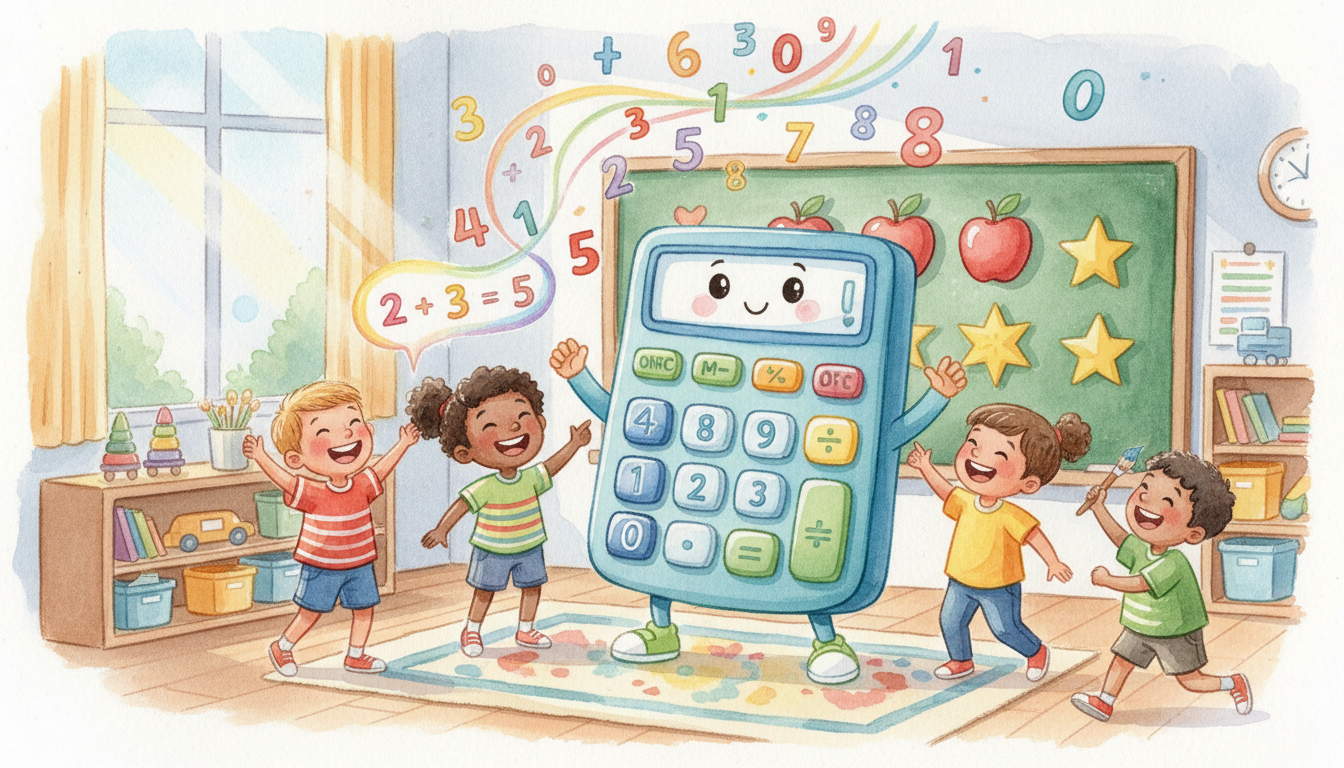
How to Solve Addition Problems: A Student's Guide
Quick Answer
To fill out an addition worksheet, simply add the two numbers provided for each problem and write the total in the designated area. Use examples like combining apples to visualize the process.
Addition is one of the fundamental operations in math, and it involves combining two or more numbers to find their total. When you're working on an addition worksheet, you're usually given pairs of numbers to add together. Here’s how you can approach it step by step.
Start by looking at the first problem on your worksheet. For instance, if you see the numbers 3 and 5, you'll want to combine them. You can visualize this using objects like apples. Imagine you have 3 apples, and then you receive 5 more apples. To find out how many apples you have in total, you simply add the two quantities together: 3 + 5 = 8. This means you now have 8 apples.
When you're filling in the answers on your worksheet, write the total inside the apple shape provided. This helps you keep track of your answers visually, which can be very helpful for understanding what you’re doing.
It's important to remember that addition is not just about numbers; it's about combining quantities. This skill is essential in many everyday situations. For example, if you're at a store and you want to buy 2 candies and 3 cookies, you would add those quantities together to find out how many items you are purchasing in total. That would be 2 + 3 = 5 items.
Here are a few tips to make addition easier:
1. **Use Objects:** If you find it challenging to add numbers in your head, use physical objects like coins, blocks, or even drawings of fruits to help visualize the problem.
2. **Practice with Flashcards:** Create flashcards with different addition problems on one side and the answers on the other. This can help reinforce your skills.
3. **Break It Down:** If you're adding larger numbers, break them down into smaller parts. For example, to add 14 and 9, you can think of it as 14 + 10 - 1 = 23.
4. **Stay Positive:** Remember that making mistakes is part of learning. Keep a positive attitude, and don’t hesitate to ask for help if you’re stuck.
Once you feel comfortable with simple problems, try tackling more challenging ones. With practice, you'll become more confident in your addition skills. Remember, addition is just one of the many exciting areas of math, and mastering it will help you in higher-level math as well. Let’s keep practicing, and soon you’ll be a pro at addition!
Was this answer helpful?