
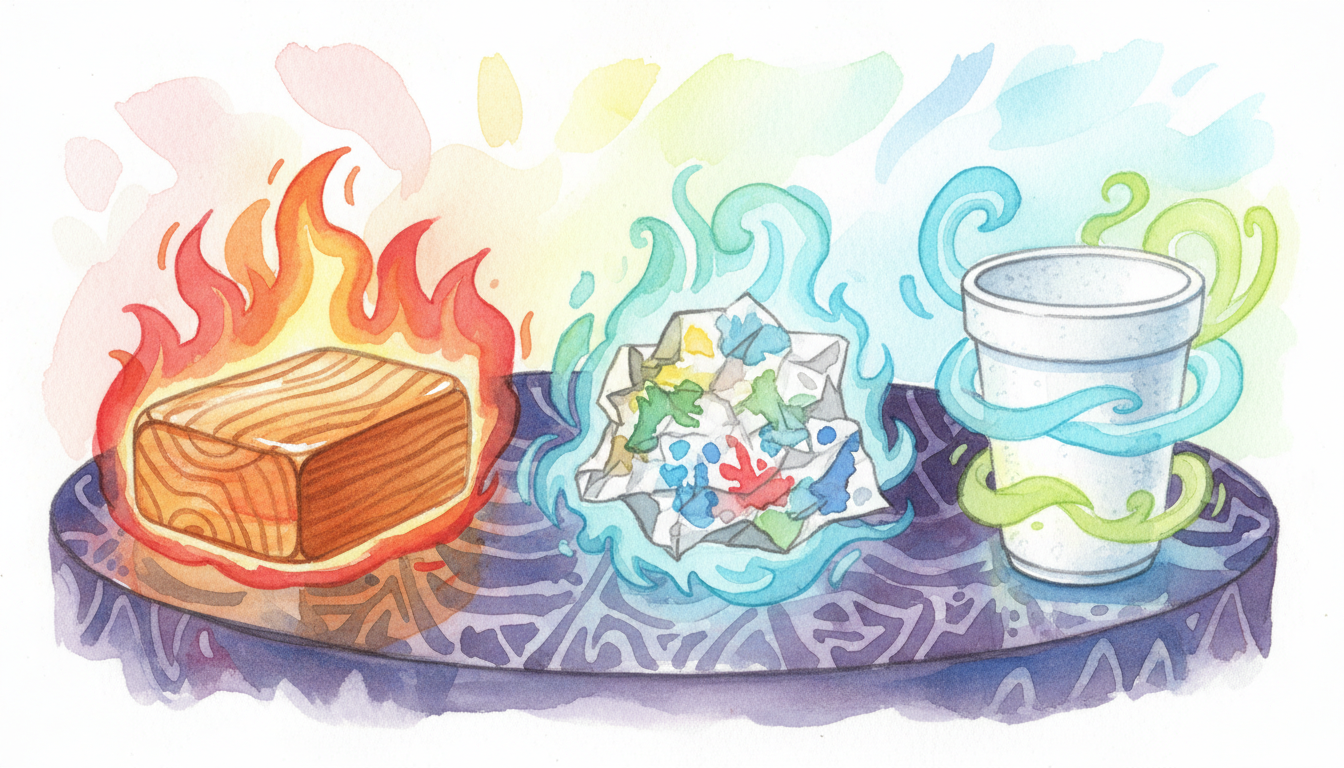
Are Wood, Styrofoam, and Paper Good Conductors of Heat?
Quick Answer
No, wood, styrofoam, and paper are not good conductors of heat; they are actually insulators. These materials slow down heat transfer, making them useful for keeping things hot or cold.
When we talk about heat conduction, we refer to how easily heat can pass through a material. Materials that conduct heat well are known as **conductors**, while those that resist heat transfer are called **insulators**. Let's take a closer look at the materials mentioned: wood, styrofoam, and paper.
### Understanding Conductors and Insulators
**Conductors** are materials that allow heat to flow through them easily. Common examples include metals like copper and aluminum, which are often used in cooking pots and electrical wiring. These materials have free electrons that move easily, facilitating heat transfer.
In contrast, **insulators** are materials that do not conduct heat well. They slow down the transfer of heat, making them ideal for various applications where heat retention or protection is needed.
### Analyzing the Materials:
- **Wood**: This natural material is commonly used for furniture and kitchen utensils. It is chosen for handles on pots and pans specifically because it does not conduct heat well; this means you can hold a wooden handle without burning your hand. Therefore, wood is classified as an insulator.
- **Styrofoam**: Often used in coffee cups and takeout containers, styrofoam is lightweight and provides excellent insulation. Its structure contains trapped air, which reduces heat transfer. This is why you can hold a hot drink in a styrofoam cup without feeling the heat on your hands.
- **Paper**: While paper can sometimes feel cool in a cold room, it is also a poor conductor of heat. It is often used in packaging materials for insulation purposes. For example, you might find paper used in the construction of insulated boxes to keep food warm during delivery.
### Real-World Applications
Understanding the differences between conductors and insulators helps in everyday life. For instance, when cooking, using materials like metal for pots allows for quick heat transfer for cooking foods. However, using wood or styrofoam for handles and containers helps protect our hands from heat.
### Conclusion
In summary, the statement "Wood, styrofoam, and paper are good conductors of heat" is incorrect. All three materials are insulators, which means they do not conduct heat effectively. This property makes them valuable in various applications where heat retention is important, such as in cooking and packaging.
By recognizing the differences between conductors and insulators, you can make better choices in your everyday life, whether in the kitchen or when selecting materials for projects. Always remember that just because a material looks solid doesn't mean it conducts heat well!
Was this answer helpful?