
What is the Best Definition of Biodiversity?
Quick Answer
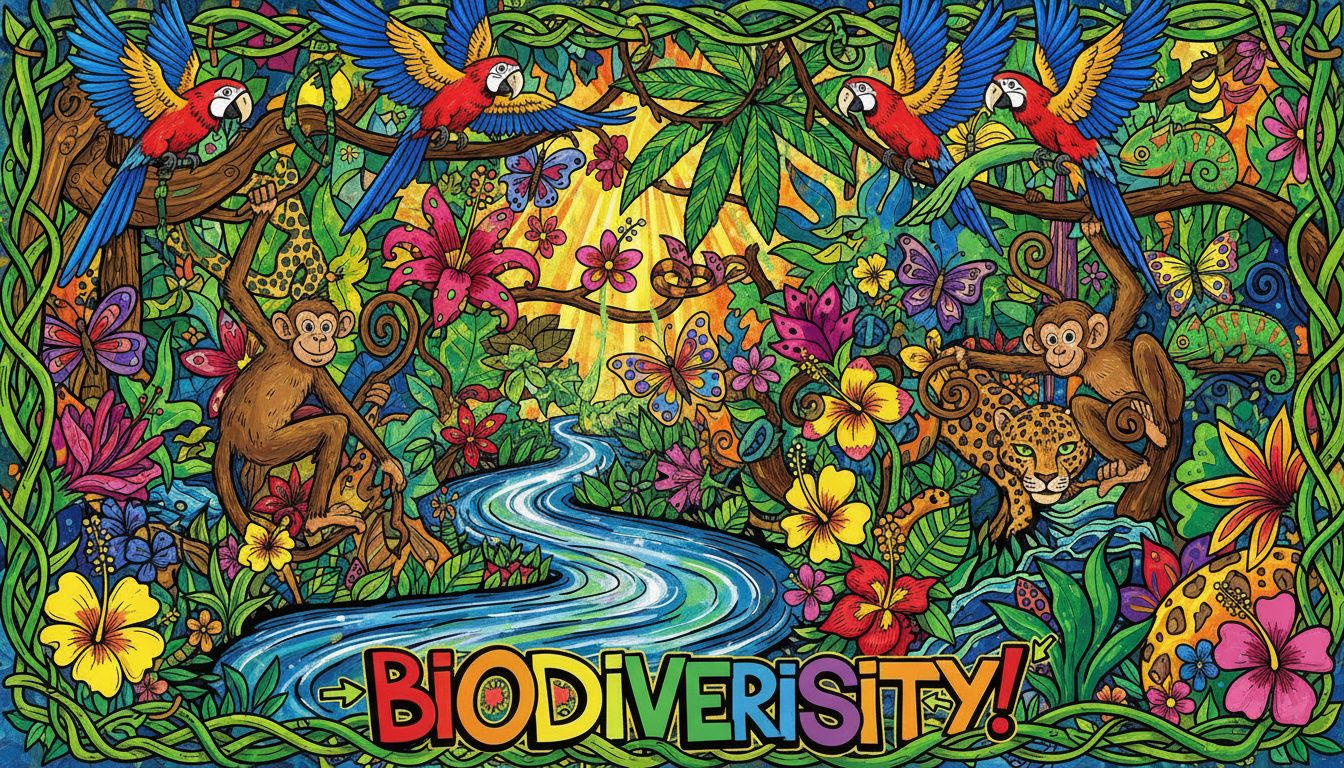
Biodiversity is best defined as the total variety of life on Earth, encompassing all species of plants, animals, fungi, and microorganisms. It reflects the complexity of ecosystems and their interdependent relationships.
Biodiversity is a crucial concept in ecology and conservation, representing the variety of life forms on our planet. This term encompasses not just the sheer number of species, but also the genetic diversity within those species and the variety of ecosystems they inhabit. The best definition of biodiversity is 'the total variety of life on Earth.'
Understanding biodiversity is essential for several reasons. First, it helps maintain ecosystem stability. Diverse ecosystems are more resilient to changes and stresses, such as climate change or habitat destruction. For instance, in a biodiverse forest, if a disease affects one species of tree, other species can still thrive and continue to provide necessary functions like oxygen production and habitat for wildlife.
Moreover, biodiversity contributes to human well-being. Many industries, such as agriculture, pharmaceuticals, and tourism, rely on the variety of species. For example, many medicines are derived from plants and animals. The more diverse our ecosystems, the greater the potential for discovering new medicinal compounds that can help combat diseases. Additionally, biodiversity provides ecosystem services that benefit humanity, including pollination of crops, clean water, and soil fertility.
When we consider the definitions given in the question, it is clear that:
1. **Biodiversity refers to the number of endangered species in a specific location** - This definition is too narrow. Endangered species are only a small part of the overall biodiversity and do not capture the full spectrum of life.
2. **Biodiversity is represented by the number of animals that live in a specific location** - This definition is also limited because it overlooks plants, fungi, and microorganisms, which are equally important in the web of life.
3. **Biodiversity is the abundance of a single species in an ecosystem** - This definition is misleading. It focuses solely on one species rather than the variety and abundance of multiple species that contribute to biodiversity.
4. **Biodiversity is the total variety of life on Earth** - This definition is the most comprehensive and aligns with how scientists define and study biodiversity.
In conclusion, understanding and protecting biodiversity is vital for the health of our planet and the survival of countless species, including humans. By appreciating the intricate connections within ecosystems and promoting conservation efforts, we can ensure that biodiversity continues to thrive for generations to come.
Was this answer helpful?