
What is the Best Definition of Biodiversity?
Quick Answer
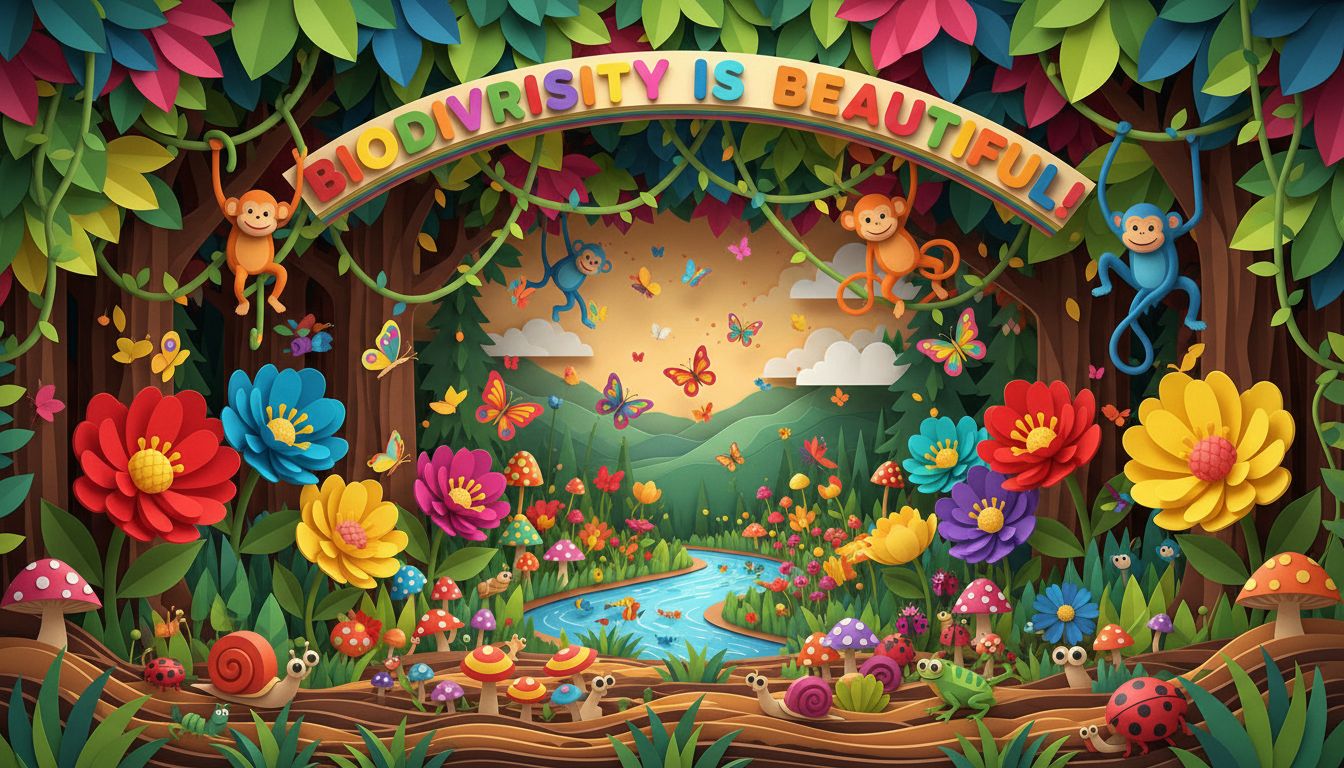
Biodiversity refers to the variety of life forms, including animals, plants, fungi, and microorganisms, in a specific location. It represents the richness of ecosystems and the numerous interactions within them.
Biodiversity is a term that combines two key components: 'bio,' which means life, and 'diversity,' which refers to variety. Therefore, biodiversity encompasses the wide range of living organisms found in a specific area, including animals, plants, fungi, and microorganisms. Understanding biodiversity is crucial for maintaining ecosystems and promoting environmental health.
To grasp the concept of biodiversity more clearly, let’s break it down further. Biodiversity can be measured in different ways: species richness (the number of different species), genetic diversity (the variety of genes within a species), and ecosystem diversity (the variety of ecosystems in a given area). This multifaceted nature means that biodiversity is not merely about counting species but understanding their interactions and the roles they play in their environments.
For example, in a rainforest, you might find thousands of different plant species, countless insect varieties, birds, mammals, and fungi, all living in close proximity. Each organism interacts with others, contributing to the overall health and stability of the ecosystem. These interactions can include pollination, seed dispersal, and nutrient cycling, which are vital for the survival of many species.
Furthermore, biodiversity has real-world applications that impact human life. Healthy ecosystems that boast high biodiversity can provide us with essential services such as clean air and water, fertile soil for agriculture, and resources for medicine. Conversely, a decline in biodiversity can lead to ecosystem collapse, affecting food security and increasing vulnerability to diseases.
In summary, biodiversity is a crucial aspect of our planet that sustains life. By understanding and preserving the variety of life forms around us, we can ensure a balanced ecosystem that benefits all living beings—humans included. Protecting biodiversity is not just an environmental issue; it’s a fundamental part of our survival and well-being on Earth.
Was this answer helpful?