
What Changes Occur in Blood Glucose and Insulin After a Meal?
Quick Answer
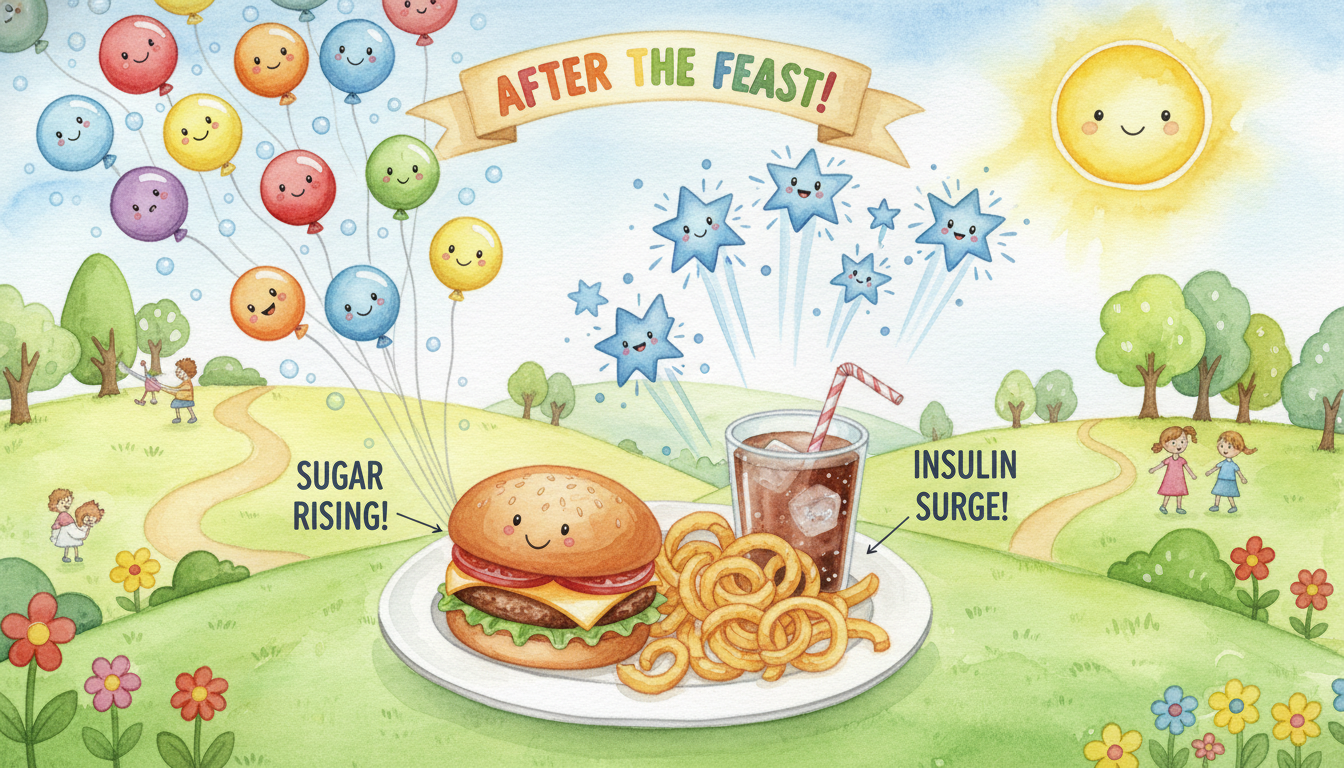
After consuming a meal high in carbohydrates and fats, blood glucose levels increase, prompting the pancreas to release insulin. This helps regulate blood sugar levels by facilitating glucose uptake into cells.
When you eat a meal like a burger, fries, and a large soda, the body undergoes several metabolic changes to process the nutrients. This type of meal is typically high in carbohydrates, particularly simple sugars from the soda and refined carbs from the bun and fries, as well as fats from the burger and fries.
**What Happens After Eating?**
Once you consume this meal, your digestive system breaks down carbohydrates into glucose, which enters the bloodstream. As the blood glucose level rises, the pancreas detects this change and responds by releasing insulin, a hormone crucial for regulating blood sugar levels.
**Blood Glucose and Insulin Levels**
If a blood test were conducted shortly after eating this meal, you would observe an increase in blood glucose levels due to the high carbohydrate content. The insulin released helps cells throughout the body absorb glucose from the bloodstream, effectively utilizing it for energy. This process not only lowers blood glucose levels back towards normal but also plays a vital role in energy balance and metabolism.
**Understanding Insulin's Role**
Insulin is essential for maintaining homeostasis in the body. By facilitating glucose uptake, it prevents blood sugar from becoming excessively high, which can lead to conditions such as insulin resistance and eventually type 2 diabetes if consistently elevated.
**Real-World Applications**
Understanding how blood glucose and insulin levels react to different meals can help individuals make healthier dietary choices. For instance, meals high in fiber, protein, and healthy fats can lead to more stable blood glucose levels, preventing sharp spikes and drops that can affect energy levels and overall health.
In conclusion, after consuming a high-carb meal, blood glucose levels will indeed increase, leading to a corresponding increase in insulin as the body works to regulate and maintain healthy blood sugar levels. This understanding is crucial for anyone looking to manage their diet and overall health effectively.
Was this answer helpful?