
What Are the Key Components of Glucose Homeostasis?
Quick Answer
Glucose homeostasis involves several key components: insulin, beta-cells, liver cells, fat cells, and muscle cells. Each plays a unique role in regulating blood sugar levels, ensuring energy balance in the body.
Glucose homeostasis is a critical process that helps maintain stable levels of glucose in the bloodstream. This stability is essential for overall health, as it ensures that the body has a consistent energy supply. Various components are involved in this intricate system, including insulin, beta-cells, liver cells, fat cells, and muscle cells. Let’s explore each of these components and their functions.
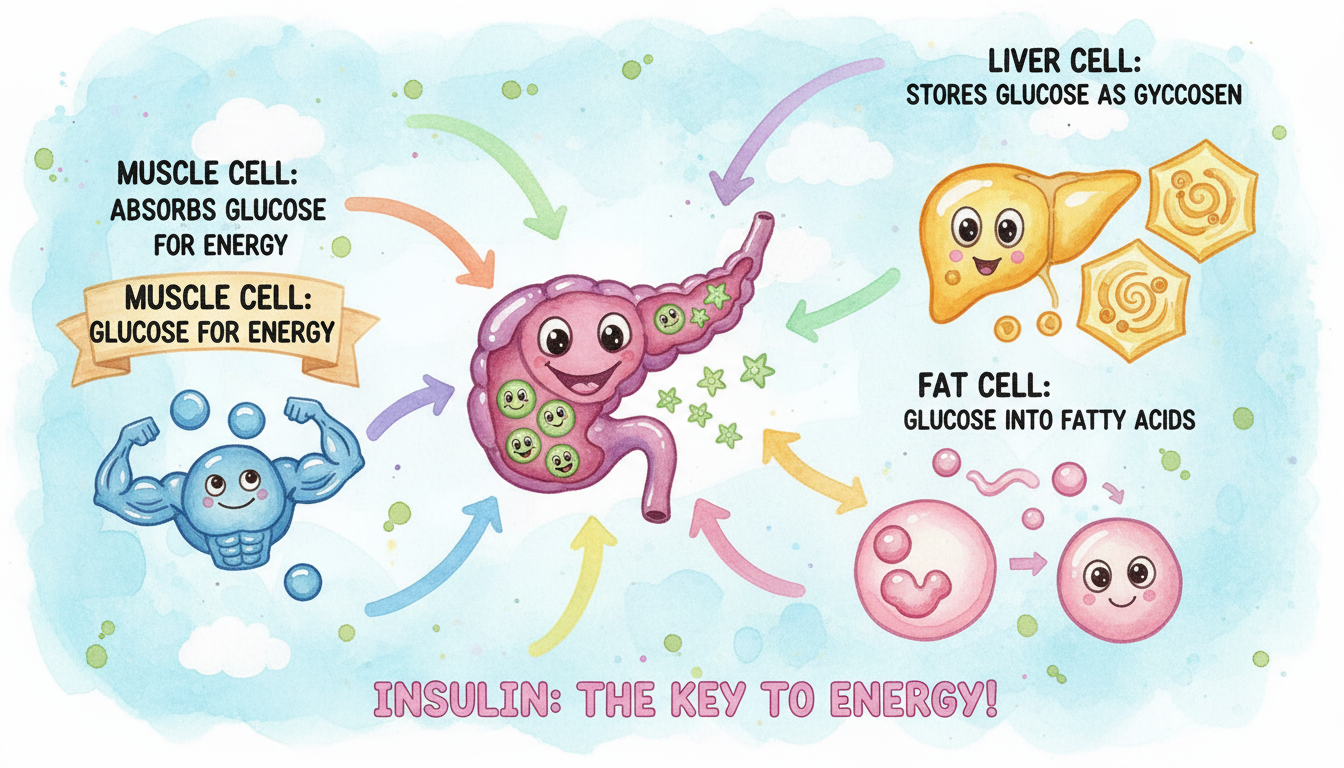
1. **Insulin**: This hormone is produced by the pancreas and is essential for regulating blood sugar levels. When we eat, the glucose from food enters the bloodstream, causing blood sugar levels to rise. In response, the pancreas releases insulin. This hormone signals different types of cells in the body to take up glucose from the blood. Insulin’s primary role is to lower blood glucose levels, ensuring they remain within a healthy range.
2. **Beta-cells**: Located in the islets of Langerhans within the pancreas, beta-cells are specialized cells responsible for producing insulin. When blood sugar levels increase, these cells detect the change and release insulin into the bloodstream. If the beta-cells are damaged or not functioning properly, as seen in type 1 diabetes, the body cannot produce enough insulin, leading to high blood sugar levels.
3. **Liver cells**: The liver plays a pivotal role in glucose homeostasis. When insulin is present, liver cells absorb glucose from the blood and convert it into glycogen, a storage form of glucose. This process helps lower blood sugar levels after meals. When blood sugar levels drop, the liver can convert glycogen back to glucose and release it into the bloodstream, maintaining energy balance.
4. **Fat cells (adipose tissue)**: Fat cells also contribute to glucose homeostasis by taking up glucose from the blood when insulin levels are high. Instead of storing glucose as glycogen, fat cells convert it into fatty acids and store it as fat. This process is essential for energy storage and plays a role in long-term energy balance in the body.
5. **Muscle cells**: Muscle cells are another key player in glucose homeostasis. They take up glucose from the blood primarily when insulin is present, using it as a source of energy for contraction during physical activity. This uptake is crucial for maintaining energy levels and supporting metabolic activities.
In summary, glucose homeostasis relies on a harmonious interaction between insulin, beta-cells, liver cells, fat cells, and muscle cells. Understanding how these components work together helps in recognizing the importance of maintaining balanced blood sugar levels, which is vital for overall health. For instance, a well-functioning glucose homeostasis system can prevent conditions like diabetes, obesity, and other metabolic disorders. Therefore, adopting a balanced diet and regular exercise can support the proper functioning of these components, ultimately leading to better health outcomes.
Was this answer helpful?