
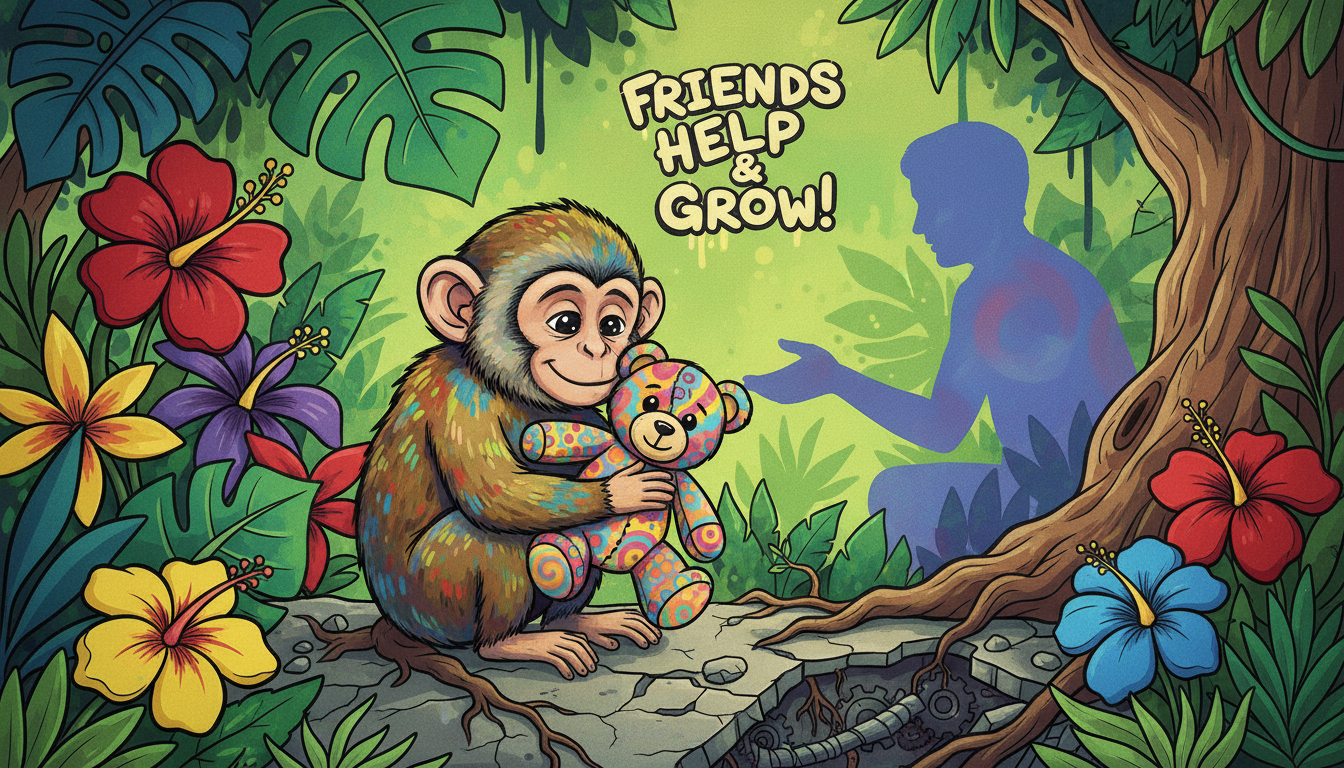
Can a Stuffed Animal Help a Captive Monkey with Separation Anxiety?
Quick Answer
A stuffed animal can provide comfort to a captive monkey with separation anxiety, serving as a substitute for maternal bonding. This situation highlights the concept of reciprocity, showing how human actions can influence the well-being of animals in disrupted ecosystems.
When we think about a captive monkey experiencing separation anxiety, we can make some intriguing connections to the concepts of emotional bonding, reciprocity, and our environmental responsibilities. In a natural environment, baby monkeys benefit greatly from their mothers, receiving warmth, grooming, protection, and emotional security. However, when these monkeys are in captivity, especially if they were separated from their mothers at a young age, they miss out on these crucial experiences.
In such cases, a captive monkey may form a bond with a substitute object, such as a stuffed animal. This attachment serves as a source of comfort and security, much like the nurturing that a mother would provide. Research, including studies by Harry Harlow, has shown that baby monkeys often prefer soft, comforting objects over those that merely provide nourishment. This preference illustrates the importance of emotional needs alongside physical ones.
In the context of your question, this captive monkey relies on its stuffed animal because of the disruption in its natural environment and the absence of its mother. The stuffed animal acts as a surrogate, helping to alleviate feelings of loneliness and anxiety. This scenario raises an important moral question about the concept of reciprocity—do humans have a responsibility to provide for the emotional needs of animals who have been affected by human actions?
The idea of reciprocity extends beyond individual cases like this monkey. It challenges us to consider how our actions impact wildlife and ecosystems. When we alter habitats, either through urban development, pollution, or other means, we can create situations where animals, like our monkey, are deprived of essential relationships and support systems. Understanding this connection encourages us to think critically about our role in the environment and the ethical implications of our actions.
Moreover, the relationship between humans and the environment is a two-way street. Just as animals can suffer from ecosystem disturbances caused by human activities, our well-being is also linked to the health of the planet. Environmental degradation can lead to loss of biodiversity, which can have cascading effects on ecosystems and ultimately impact human life as well.
In summary, the bond between a captive monkey and a stuffed animal is not just a heartwarming story; it reflects deeper themes of emotional connection and responsibility. By recognizing the impact of our actions on other species, we can embrace the concept of reciprocity and work towards more empathetic and sustainable practices that benefit both humans and the environment.
Was this answer helpful?