
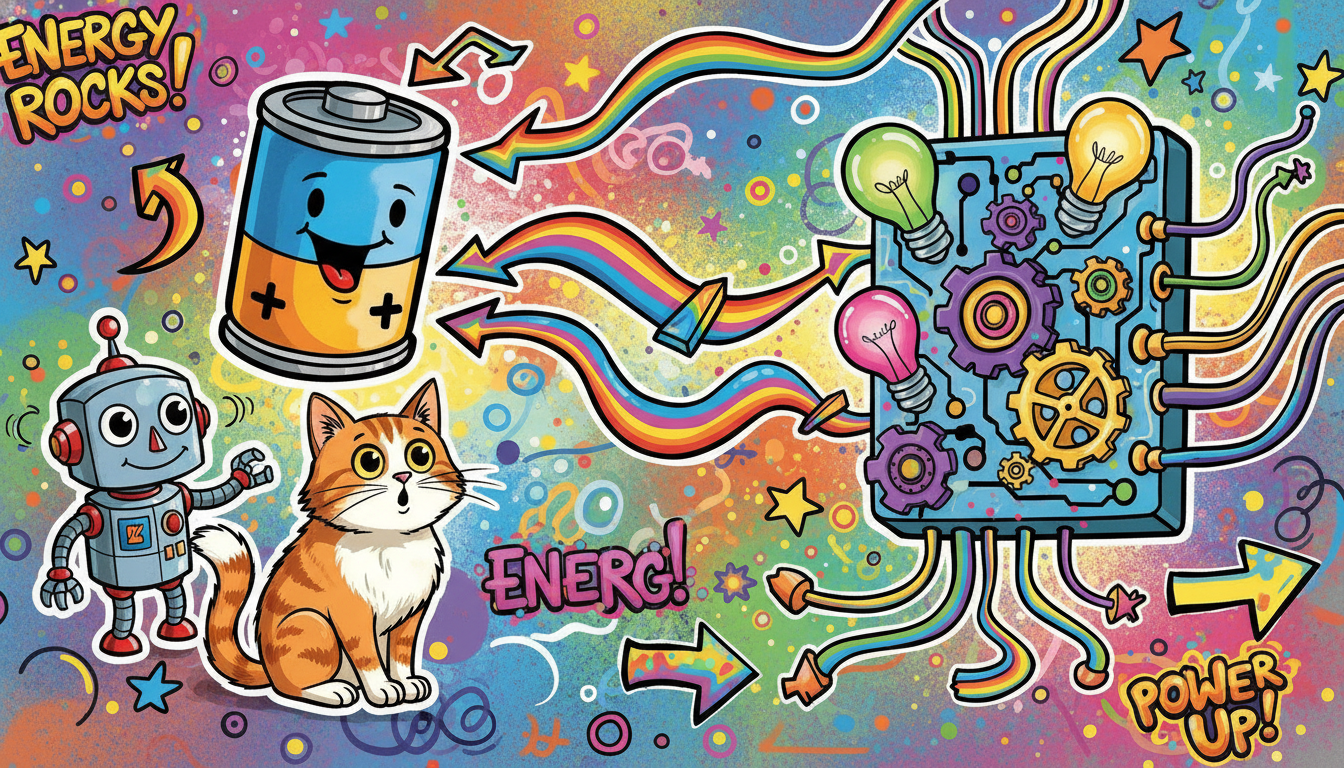
Understanding Electric Circuits: What Do Batteries Provide?
Quick Answer
In electric circuits, batteries provide voltage, which is the push that drives electrons through the circuit. This flow of electrons creates electric current necessary for powering devices.
Electric circuits are fundamental to our everyday technology, from the devices we use to the power systems that run our homes. Understanding how components like batteries function in these circuits is crucial for grasping basic electrical concepts.
One of the primary components of an electric circuit is the battery. A battery serves a vital role by providing voltage, also known as potential difference. Voltage is essentially the 'push' that drives electric charges through the circuit. When you connect a battery to a circuit, it creates an electric field. This field influences the movement of charges, primarily electrons, allowing them to flow through the conductors (such as wires) in the circuit.
To illustrate, consider a simple flashlight. Inside it, there's a battery that generates a voltage. When you turn the flashlight on, the battery's voltage causes electrons to flow through the wire to the bulb. As the electrons move, they carry energy that lights up the bulb, providing illumination.
In addition to the battery, other components like resistors and bulbs play significant roles. Resistors limit the flow of electric current, while bulbs convert electrical energy into light (and sometimes heat). Understanding these components helps you see how electricity powers various devices.
### Key Concepts:
1. **Battery**: Provides voltage, the push that drives electrons.
2. **Wire**: Acts as a pathway for current, allowing electrons to flow.
3. **Resistor/Bulb**: Uses electrical energy to perform work, like lighting or heating.
In summary, batteries are essential for electric circuits as they provide the necessary voltage to create current. This understanding of basic electrical principles is not only crucial for academic studies but also for practical applications in everyday life, such as troubleshooting electrical devices and understanding how various electronic gadgets work. As you continue your studies, keep these concepts in mind to enhance your understanding of electrical systems.
Was this answer helpful?