
How to Understand Types of Pollution: A Student's Guide
Quick Answer
Types of pollution include air, land, and water pollution, each with specific examples and harmful impacts. Understanding these can help us protect our environment.
Pollution is a significant global issue that affects our health and the environment. It can be categorized into several types, including air pollution, land pollution, and water pollution. Understanding these types helps us recognize their sources and impacts, allowing us to take action to mitigate their effects.
### 1. Air Pollution
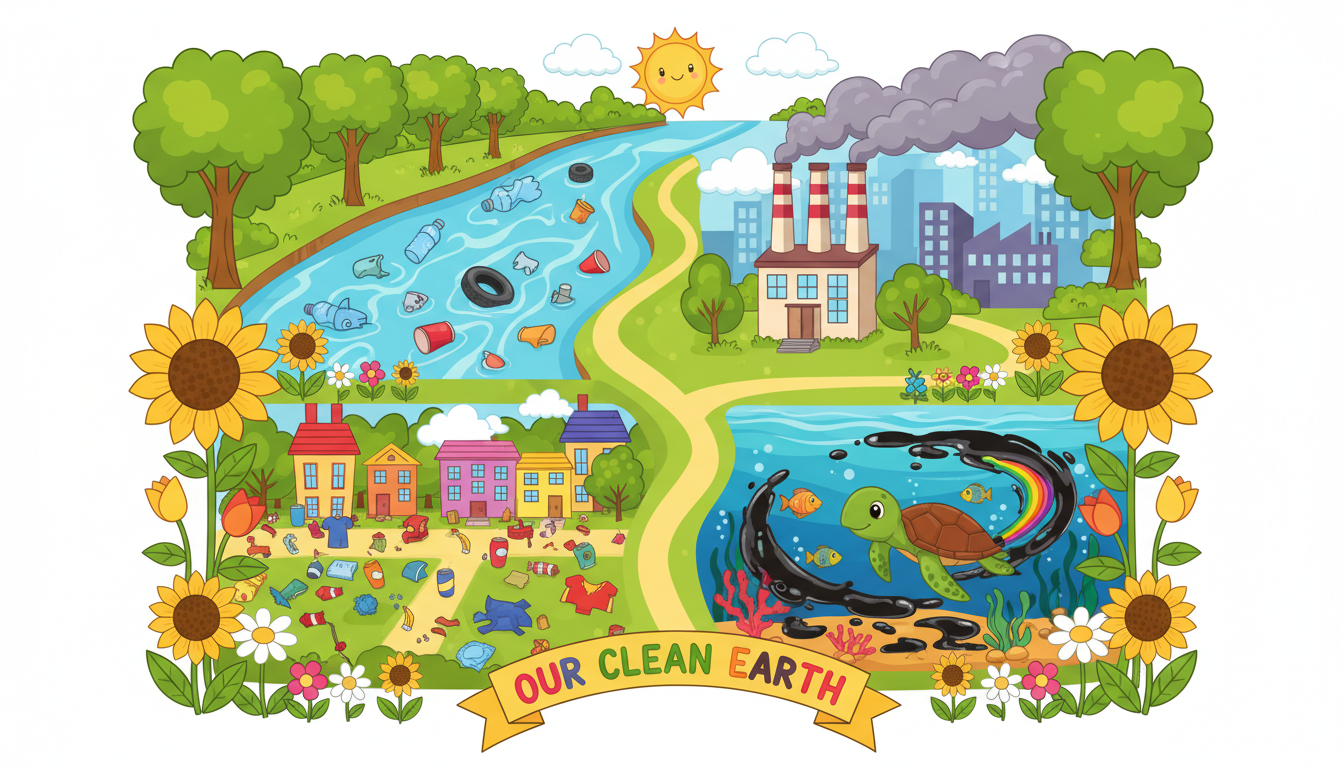
Air pollution is one of the most visible forms of pollution. It occurs when harmful substances, including gases and particulates, are released into the atmosphere. Common examples include gray smoke emitted from cars and factories. The sources of air pollution primarily include vehicles that burn gasoline and industrial processes that use fossil fuels like coal and oil. The impact of air pollution is severe; it can lead to respiratory issues, cardiovascular diseases, and even long-term health complications. Additionally, it contributes to climate change and can cause environmental issues like acid rain.
### 2. Land Pollution
Land pollution is caused by the degradation of Earth's land surfaces through human activity. An example of land pollution is the overflowing of landfills filled with waste materials. The sources of land pollution include improper waste disposal, industrial discharges, and the use of pesticides and fertilizers in agriculture. The consequences of land pollution are dire, as it can lead to soil degradation, loss of arable land, and contamination of local water supplies, affecting both wildlife and human health.
### 3. Water Pollution
Water pollution occurs when harmful substances are introduced into water bodies, making them toxic to humans and wildlife. Examples include oil spills and the discharge of industrial waste into rivers and oceans. The sources of water pollution are vast, including agricultural runoff, sewage discharge, and plastic waste. The impacts can be devastating, leading to the destruction of aquatic ecosystems, the contamination of drinking water sources, and health issues for communities relying on polluted water.
### 4. Noise Pollution
Although not always included in discussions about pollution, noise pollution is another critical aspect to consider. It refers to harmful levels of noise that disrupt human and animal life. Sources include traffic, construction sites, and loud music. The impact of noise pollution can lead to stress, sleep disturbances, and hearing loss.
By understanding different types of pollution, we can better appreciate the importance of protecting our environment. It’s crucial for students and communities to learn about these issues and work toward solutions, such as reducing waste, using public transportation, and supporting clean energy initiatives. Small changes in daily behavior can collectively make a significant difference in combating pollution and preserving our planet for future generations.
Was this answer helpful?