
What is Mutualism? Understanding its Role in Ecosystems
Quick Answer
Mutualism is a symbiotic relationship where both species benefit. For example, hummingbirds and humans benefit from bird feeders, demonstrating the importance of mutualistic interactions in ecosystems.
Mutualism is a fascinating biological concept that describes a type of symbiotic relationship where both species involved gain benefits. This interaction is essential for maintaining ecological balance and is observable in various environments, including our backyards.
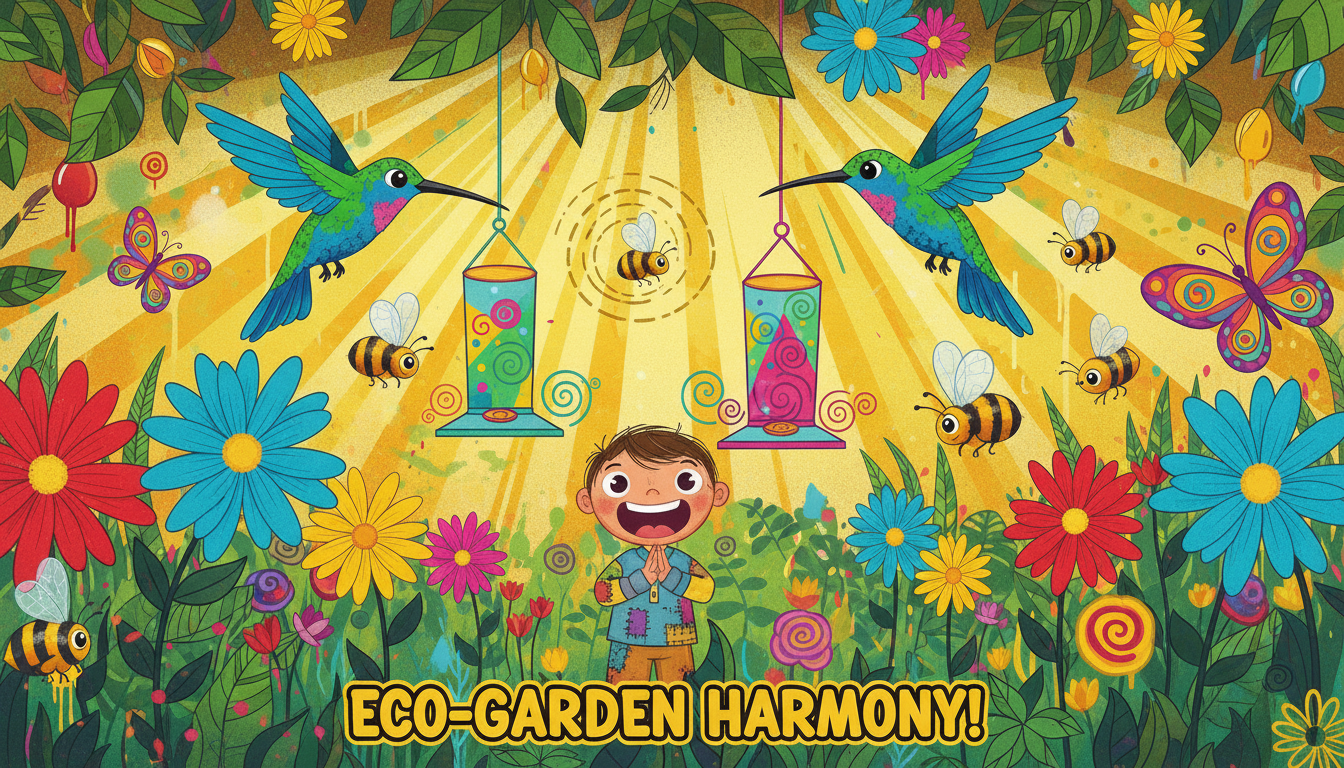
One of the most relatable examples of mutualism can be seen with hummingbird feeders. In this case, humans set up feeders filled with sugar water to attract hummingbirds. The birds, in turn, receive a reliable source of food, as they primarily feed on nectar from flowers. This relationship highlights how both parties benefit: the birds get nourishment, while humans enjoy the aesthetic pleasure of watching these vibrant creatures flutter around.
The benefits of mutualism go beyond mere enjoyment. Humans can also engage in educational activities, such as observing the feeding behaviors of hummingbirds or photographing them. These experiences not only provide recreational value but also foster a greater appreciation for biodiversity and the importance of conserving habitats where these animals thrive.
Moreover, this relationship can influence population dynamics. For instance, when a hummingbird feeder is consistently stocked, it can attract more birds to the area, potentially increasing their population density. This increased presence can also affect local ecosystems, as more hummingbirds may lead to better pollination of nearby plants, showcasing the interconnectedness of life.
Real-world applications of understanding mutualism extend into conservation efforts as well. By recognizing the benefits of maintaining healthy ecosystems that support these relationships, we can take steps to protect habitats that provide essential resources for various species. This knowledge empowers individuals and communities to engage in practices that promote biodiversity, such as planting native flora that supports local wildlife.
In summary, mutualism exemplifies the intricate relationships found in nature, demonstrating how interdependence among species can lead to thriving ecosystems. Observing these dynamics, such as through the simple act of maintaining a hummingbird feeder, allows us to appreciate the balance and beauty of our natural world. By fostering these connections, we not only enhance our own experiences but also contribute positively to the environment around us.
Was this answer helpful?