
Why is E-Waste Important? Understanding Its Environmental Impact
Quick Answer
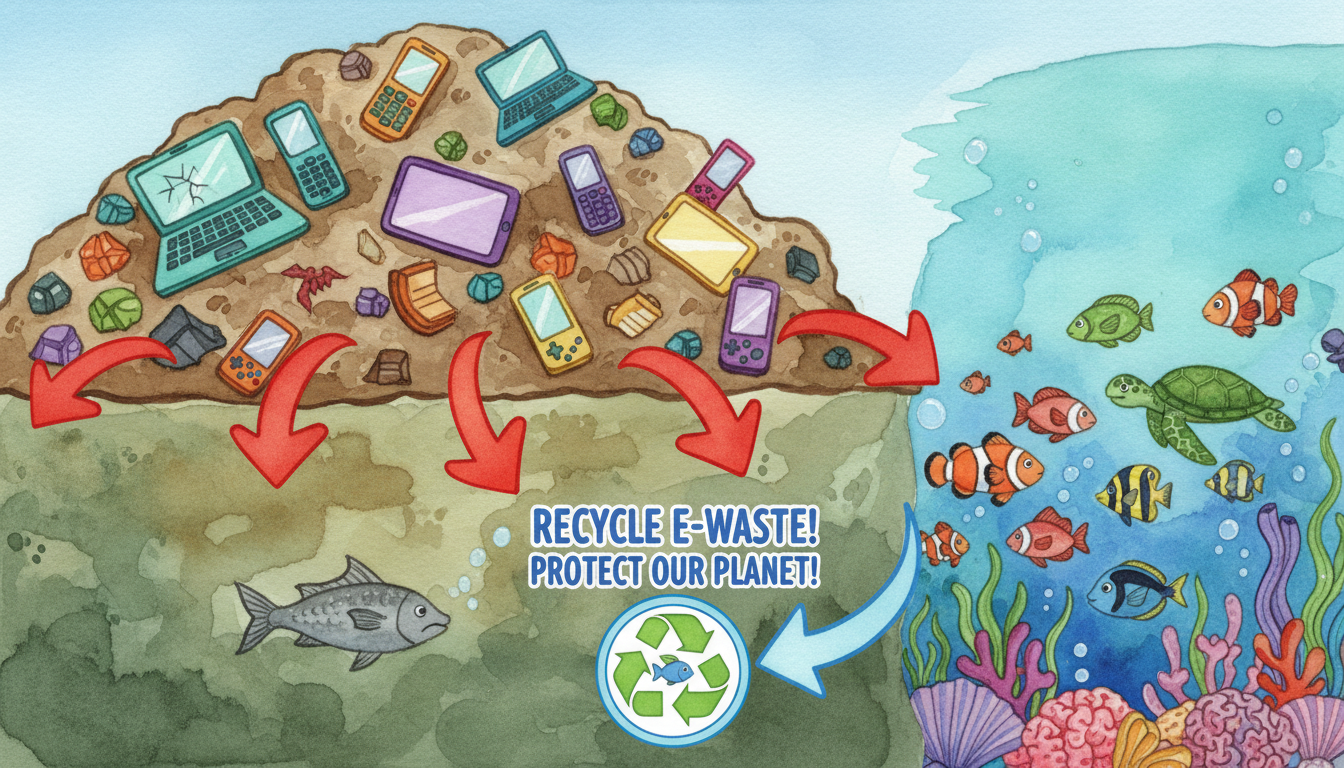
The most important reason to care about e-waste is its toxic metals can poison our soil and water, harming communities and future generations. Proper e-waste disposal is crucial for environmental health.
E-waste, or electronic waste, refers to discarded electrical or electronic devices. As technology advances, many of us find ourselves upgrading our gadgets, such as smartphones, laptops, and tablets, often neglecting the old ones. This neglect can lead to serious environmental consequences that we need to understand and address.
The most crucial reason to care about e-waste is its significant environmental impact. When electronic items are thrown away improperly, they can end up in landfills where their components can leach toxic metals like lead, mercury, and cadmium into the soil and groundwater. These substances can have devastating effects not just on the environment but also on human health.
For example, lead exposure can cause neurological damage, particularly in children. Mercury, another common element in electronics, can accumulate in fish, leading to health risks for those who consume contaminated seafood. Cadmium exposure is associated with kidney damage and bone disease. Therefore, the improper disposal of e-waste poses a risk not only to our ecosystems but also to communities living nearby.
In addition to health risks, e-waste contributes to the growing problem of pollution. As the number of electronic devices in our homes increases, the amount of e-waste generated also rises. According to the Global E-waste Monitor, about 53.6 million metric tons of e-waste was generated worldwide in 2019, a number that is expected to grow significantly in the coming years. This statistic highlights the urgency of addressing e-waste disposal and recycling.
Fortunately, there are steps we can take to mitigate the impact of e-waste. First and foremost, it's essential to utilize specialized e-waste recycling facilities. These facilities are equipped to handle electronic devices safely and responsibly. They ensure that toxic materials are disposed of correctly and that valuable resources, such as metals and plastics, are recovered for reuse.
Additionally, educating ourselves and others about responsible consumption and disposal is vital. When upgrading devices, consider donating or selling old electronics that are still functional. This not only extends the life of the devices but also reduces the amount of e-waste generated. Many organizations accept old electronics for refurbishment and donation to those in need.
Moreover, some manufacturers and retailers offer take-back programs, allowing consumers to return old devices for proper recycling. Participating in these programs contributes to a more sustainable cycle of electronics production and consumption.
In summary, caring about e-waste is not just about the devices we discard; it's about the health of our planet and future generations. By understanding its environmental impact and taking proactive steps to recycle and dispose of electronic waste properly, we can make a significant difference for our communities and the natural world. Together, we can train our brains to think sustainably and act responsibly.
Was this answer helpful?