
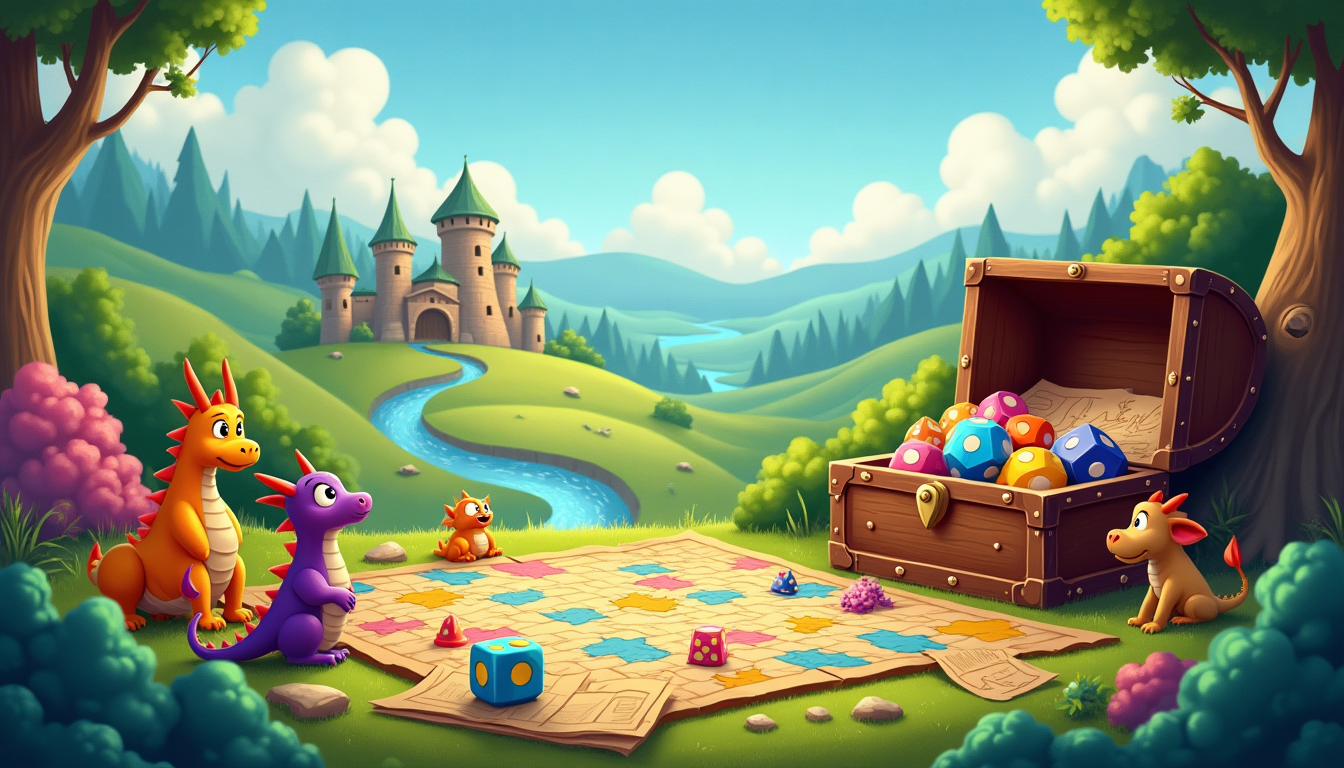
How to Create a Family Board Game Like Dungeons and Dragons
Quick Answer
Creating a board game like Dungeons and Dragons is a fun and creative project! Start by defining key elements such as characters, storylines, and themes that resonate with your family.
Creating a board game inspired by Dungeons and Dragons (D&D) is an exciting way to engage your creativity and strengthen family bonds. D&D is known for its immersive storytelling and character-driven gameplay, and you can incorporate similar features into your own game. Here’s how to get started.
### Step 1: Define the Core Elements
First, think about what makes D&D unique. Key elements include characters, adventures, and a rich storyline. Decide how many players your game will accommodate and what roles they will play.
**Characters**: In D&D, players create unique characters with distinct abilities and backgrounds. Consider allowing each family member to create their own character. You could provide templates that outline different character types, such as warriors, mages, or rogues, and let players choose their skills and traits.
**Storyline**: Every great game needs a captivating story. Think about a central conflict or mission that the characters must embark on. For instance, they could be on a quest to retrieve a magical artifact or save a kingdom from a villain.
### Step 2: Choose a Theme
Next, decide on a theme for your game. While fantasy is a popular choice, you could also explore other genres like superheroes, sci-fi, or even a modern-day mystery. The theme will help shape your game mechanics and the overall feel of the game.
### Step 3: Create a Game Board and Pieces
The physical components of your game are just as important as the story. You can design a game board that reflects the world your characters inhabit. Use cardboard or a large piece of paper to sketch out your map. Include key locations, such as towns, forests, and dungeons, where players can encounter challenges and adventures.
Additionally, you’ll need game pieces to represent each character. You can use small figurines, tokens, or even household items like buttons or coins.
### Step 4: Develop Rules and Mechanics
Every board game needs rules to ensure fair play. Create guidelines on how players can move, interact, and complete objectives. For example, you could use dice rolls to determine the outcome of battles or challenges, similar to how D&D operates.
Make sure to write down the rules clearly and allow for some flexibility so players can adapt the game as they play.
### Step 5: Playtest Your Game
After designing your game, gather your family for a playtest. This is an essential step to see how the game flows and whether it’s enjoyable. Encourage your family to provide feedback and suggest changes. Adjust the rules or components based on their input to improve the gaming experience.
### Step 6: Enjoy and Share Your Creation
Once your game is refined, it's time to enjoy it! Host family game nights and share your creation with friends. You might even inspire others to create their own board games!
Creating a board game not only fosters creativity but also enhances problem-solving skills and teamwork. So gather your materials and start your adventure in game design today!
Was this answer helpful?