
How to Match Synonyms: A Guide for Language Learners
Quick Answer
To match synonyms, connect words that have similar meanings. For example, 'bruja' (witch) and 'hechicera' (sorceress) are synonyms. Practicing with visuals can help you improve your understanding.
Matching synonyms is a vital skill in language learning that enhances your vocabulary and comprehension. Synonyms are words that have similar meanings, and identifying them can help you express yourself more clearly and effectively.
When you encounter a task to match synonyms, you might see a list of words alongside images. Your goal is to connect each word with its synonym. This exercise is not just about memorizing; it’s about understanding the nuances of the words and how they can be used in different contexts.
Take the pairs from the previous example:
- 'bruja' (witch) and 'hechicera' (sorceress) both refer to a woman who practices magic. This shows that while the words might be used interchangeably, they can have slightly different connotations in different cultures or contexts.
- Similarly, 'coche' (car) and 'automóvil' (automobile) are both common terms for the same object, but they might be used in different regions or by different age groups.
- Finally, 'nevera' (fridge) and 'electrodoméstico' (household appliance) highlight how one word can describe a specific item while the other refers to a category.
To practice your synonym matching, you can create flashcards with words on one side and their synonyms on the other. Additionally, try to use these words in sentences to see how they fit in context. For example, you might say, 'The bruja cast a spell,' and then switch to, 'The hechicera enchanted the crowd.' This will deepen your understanding of how synonyms can alter the tone and style of writing.
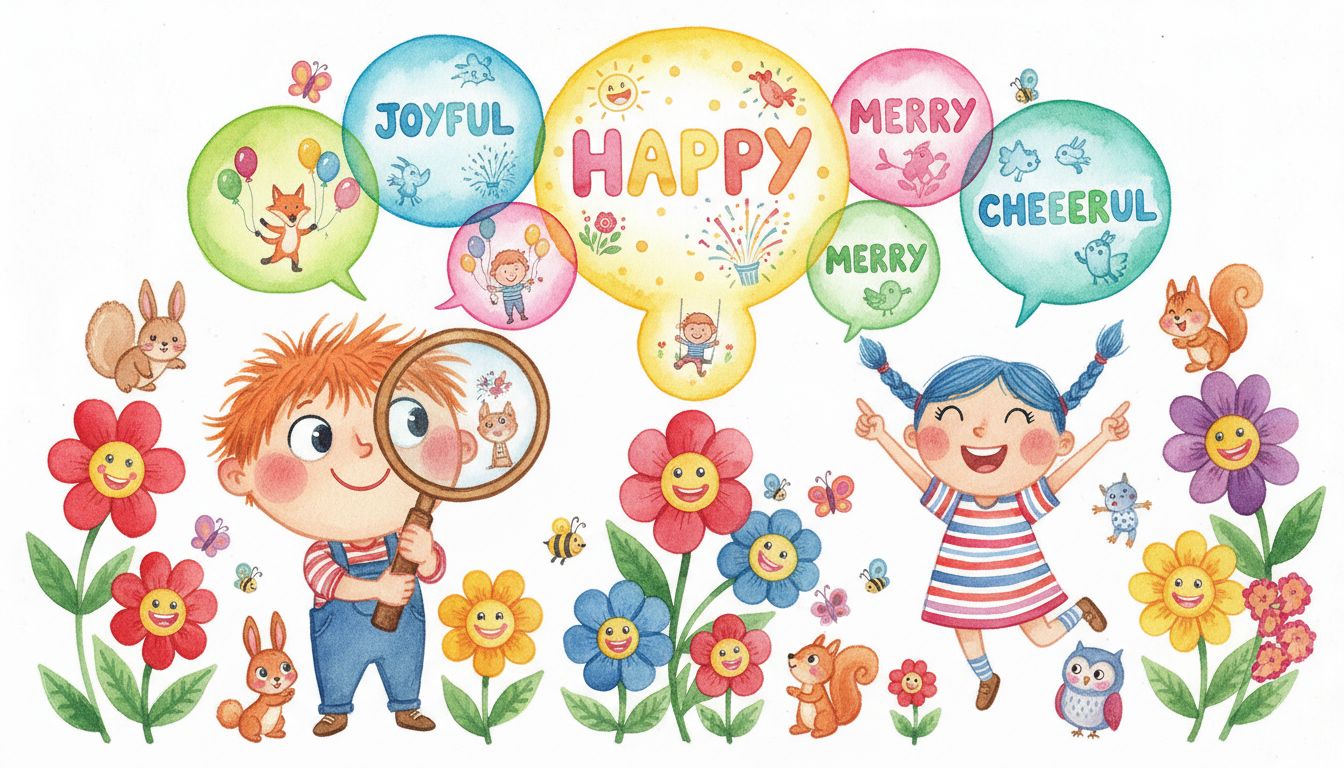
Real-world applications of synonyms are abundant. For instance, utilizing a variety of synonyms in your writing can make it more engaging and less repetitive. Instead of saying 'happy' multiple times, you might use 'joyful', 'cheerful', or 'elated' to maintain your reader’s interest.
Remember, the more you practice, the better you will get at recognizing and using synonyms effectively. Engaging with language through games, reading, and writing will reinforce these skills. Keep exploring and matching synonyms, and you'll find that your vocabulary expands significantly, allowing you to communicate more precisely and creatively.
Was this answer helpful?