
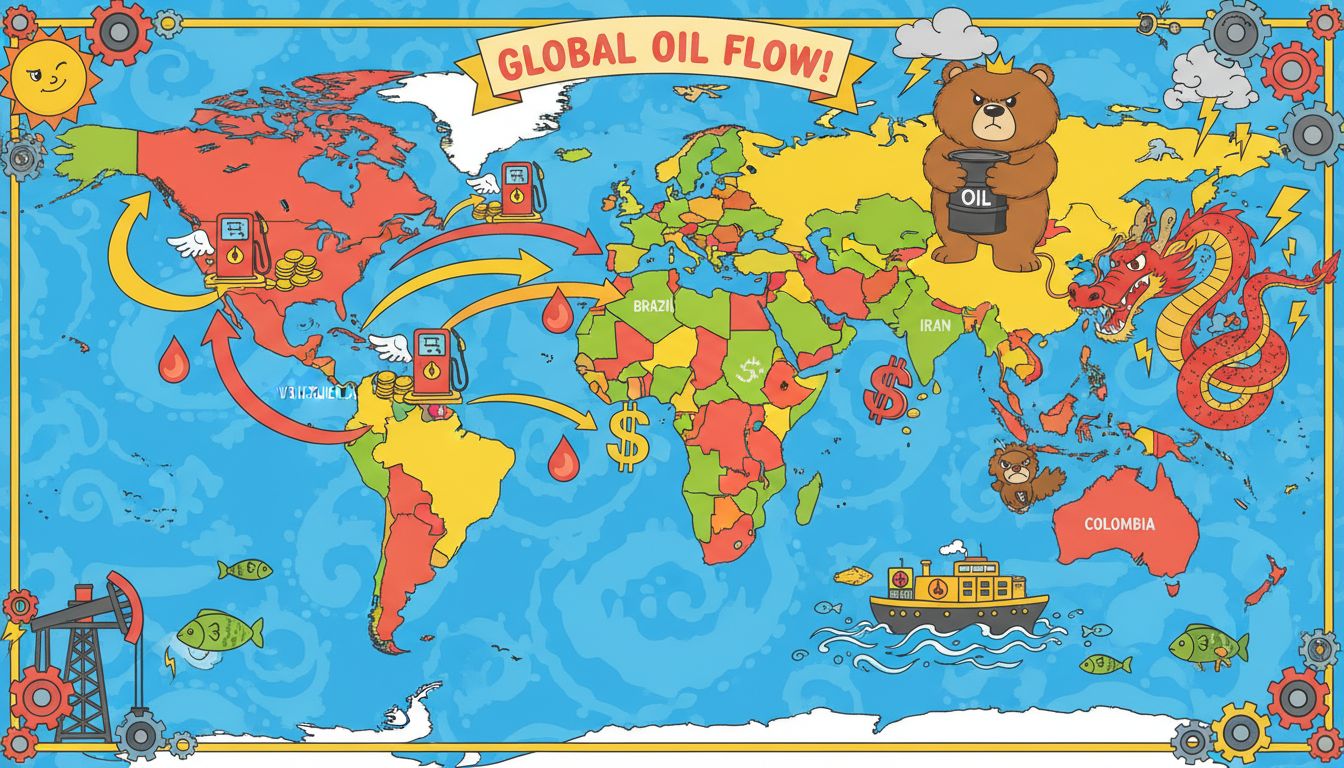
Understanding U.S. Oil Policy and Its Global Impact
Quick Answer
The U.S. oil policy, particularly regarding Venezuela, raises concerns about foreign relations and gas prices. While lower gas prices are appealing, the risks associated with collaborating with corrupt practices and tensions with countries like Russia and China are significant.
The topic surrounding U.S. oil policy, particularly its involvement with Venezuela, is complex and raises several important points of concern. Many individuals worry that this approach might create more enemies for the U.S., particularly with nations like Russia and China. While the prospect of lower gas prices is enticing for consumers, the risks associated with dealing with Venezuela's historically corrupt oil practices, alongside a more confrontational stance towards Russia, present a precarious situation.
Firstly, let’s break down the key elements of this discussion. The U.S. government has been exploring ways to reduce gas prices, which have been rising due to various factors, including geopolitical tensions and fluctuating oil supply. In this context, tapping into Venezuelan oil reserves is seen as a potential solution. However, Venezuela has a long history of corruption and mismanagement in its oil sector, which raises concerns about the ethical implications of this strategy.
Secondly, there is the issue of foreign relations. The U.S. has been increasingly at odds with Russia, particularly due to geopolitical conflicts. By engaging with Venezuela, which is seen as an adversary to U.S. interests, there is a risk of further alienating Russia and potentially China, both of whom have economic ties with Venezuela.
Moreover, there is skepticism about whether this policy will genuinely lead to lower gas prices. U.S. oil companies have expressed discontent with the current approach, suggesting that they may not benefit from this strategy. Some companies are even demanding reparations for what they perceive as unfair competition from foreign oil. This dissatisfaction could hinder the intended outcome of lower gas prices for consumers.
Additionally, it is important to consider the economic implications of U.S. oil policies. If the U.S. decides to purchase oil from Venezuela, there may be stipulations that require Venezuela to spend the profits on American goods. While this could create economic benefits for the U.S., it may also backfire if it leads to increased tensions with other oil-producing nations.
In conclusion, the U.S. oil policy involving Venezuela is a multifaceted issue that encompasses economic, ethical, and geopolitical dimensions. While the objective of lowering gas prices is commendable, the potential risks associated with this approach warrant careful consideration. Understanding these implications is crucial for making informed opinions about U.S. foreign policy and its effects on global relations and domestic economics.
Was this answer helpful?