
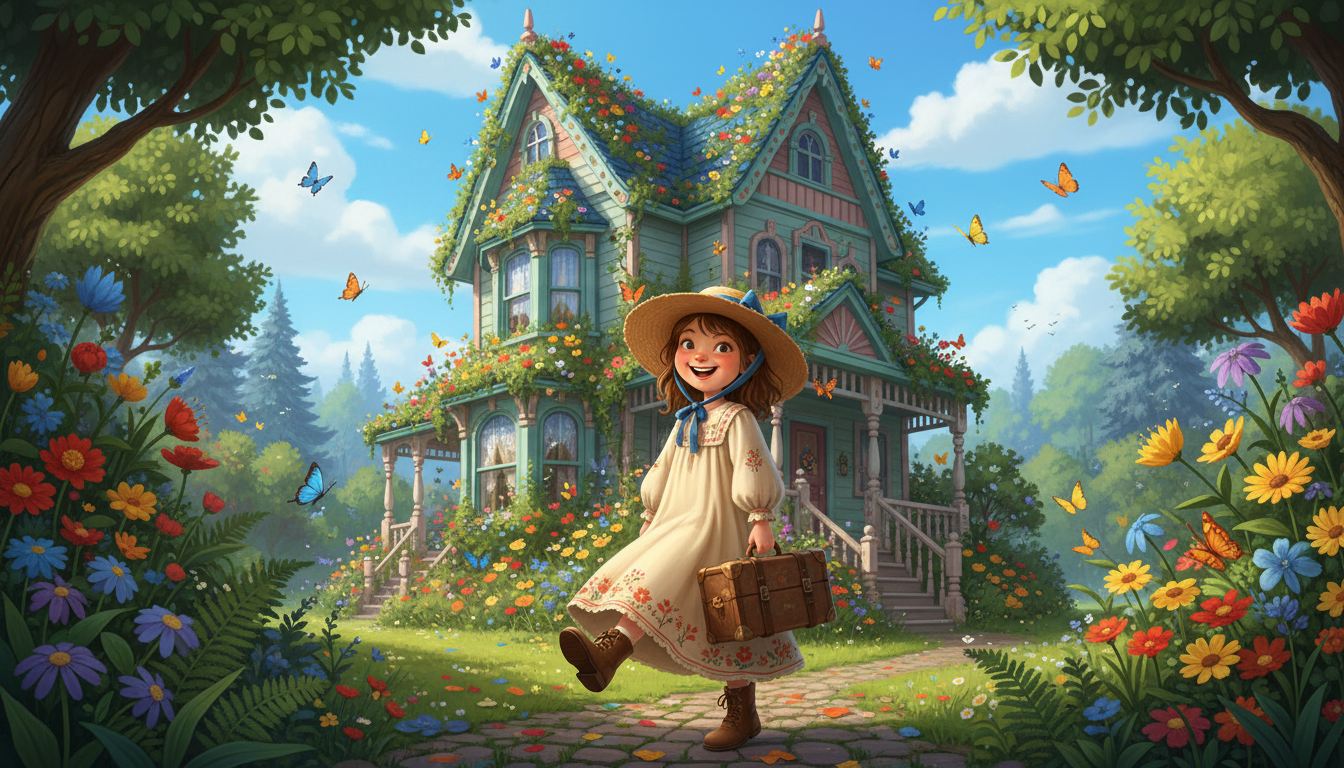
How to Enhance Your Storytelling Skills: Tips for Students
Quick Answer
To improve your storytelling skills, focus on clarifying your setting, showing character traits through actions, and using natural dialogue. These techniques will make your writing more engaging and vivid.
Improving your storytelling skills can be a fun and rewarding process! Here are some essential tips to help you craft engaging narratives that captivate your readers.
**1. Clarify Your Setting and Background**: When you start your story, it’s important to set the scene effectively. For instance, if your story is set in the 1840s, include details that reflect that time. Instead of modern references, think about the modes of transportation, clothing styles, and social norms of the era. Describing the environment vividly can transport your readers into the world you’ve created. For example, mention the sounds of a horse-drawn carriage or the scent of blooming flowers in a Victorian garden.
**2. Show, Don’t Just Tell**: One of the most effective techniques in storytelling is 'showing' rather than 'telling.' Instead of simply stating that your character, like Violet, is adventurous, illustrate her adventurous spirit through her actions. Describe her excitement as she runs toward her grandmother’s house, or perhaps she climbs a tree to get a better view of her surroundings. This helps readers connect with Violet on a deeper level, making her adventures more relatable and engaging.
**3. Use Dialogue to Develop Character**: Dialogue can add depth to your characters and make them more relatable. Ensure the dialogue fits the character's personality and the time period. For example, if Violet’s father is concerned about her behavior, he might say something like, "Violet, you must mind your manners at your grandmother’s. She’s old, and I want her to be comfortable." This not only shows his care but also gives readers insight into Violet’s character through her father’s perspective.
**4. Create Conflict or Misunderstanding**: Every good story needs some form of conflict or tension. Think about what challenges Violet might face at her grandmother’s house. Perhaps her grandmother has strict rules that clash with Violet's free-spirited nature. This conflict can drive the plot and provide opportunities for character growth.
**5. Add Real-World Applications**: Consider how your story reflects real-world themes or lessons. Violet could learn about responsibility, the importance of family, or the value of friendship through her adventures. These themes resonate with readers and can make your story more impactful.
Remember, writing is a skill that improves with practice. Try rewriting parts of your story using these techniques, and don’t hesitate to seek feedback from peers or teachers. Embrace the adventure of storytelling, and let your creativity shine!
Was this answer helpful?