
How to Use Ethos, Pathos, and Logos in Writing Examples
Quick Answer
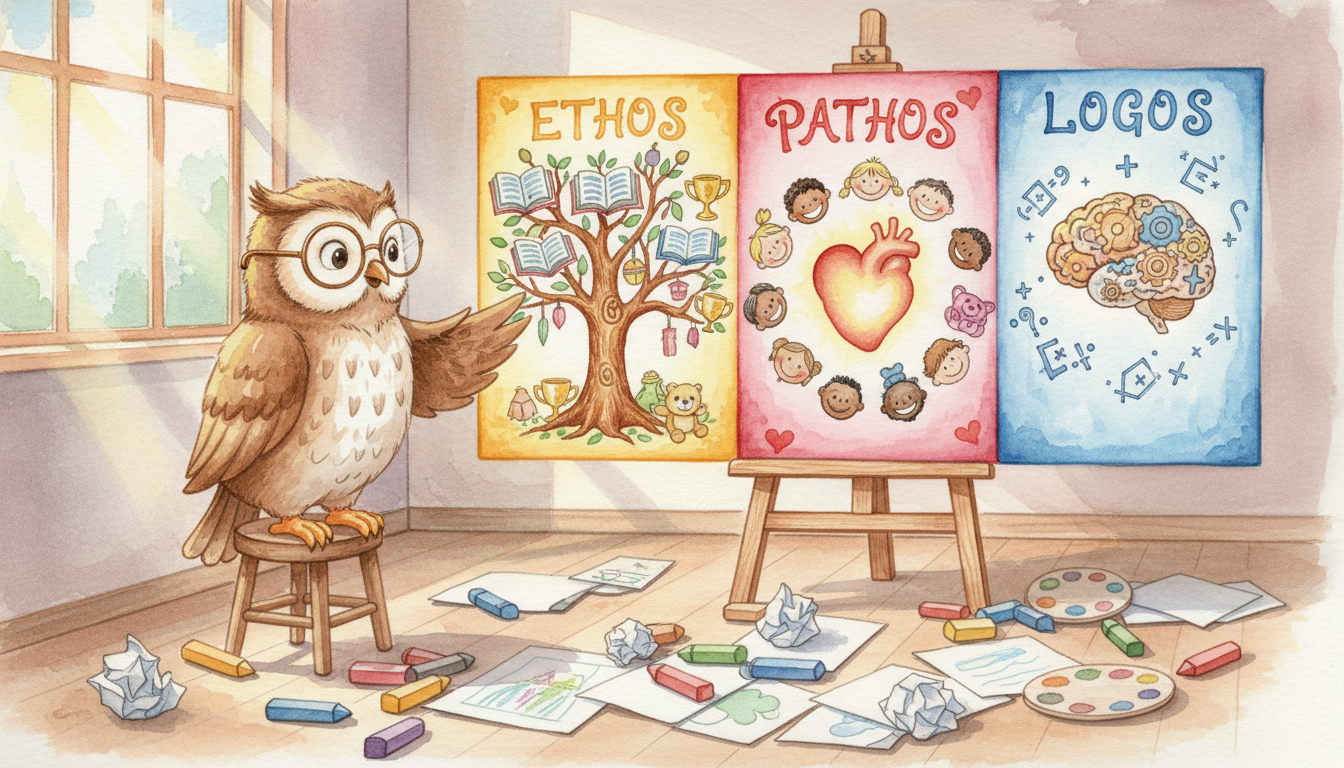
Ethos, pathos, and logos are rhetorical appeals used in writing. Ethos appeals to credibility, pathos to emotions, and logos to logic. Each can be illustrated through specific examples, enhancing persuasive writing.
Understanding the concepts of ethos, pathos, and logos can greatly enhance your writing and persuasive skills. These rhetorical appeals help you connect with your audience and make your arguments more compelling. Let’s take a closer look at each one, along with examples that illustrate their effective use.
### Ethos: Appeal to Credibility
Ethos is about establishing authority and credibility. When you use ethos, you want your audience to trust you. This can be achieved by referencing credible sources or experts in your writing.
**Example:** Imagine a commercial promoting seat belt use. A doctor might say, 'As an emergency room surgeon with years of experience, I urge you to wear a seat belt every time you drive.' This statement is powerful because it comes from a recognized expert, making the audience more likely to listen.
In academic writing, you can use ethos by citing studies or referencing well-respected figures in your field. For instance, a research paper discussing climate change might include a quote from a renowned environmental scientist, reinforcing the argument with credible authority.
### Pathos: Appeal to Emotions
Pathos taps into the audience's feelings, aiming to elicit emotional responses. This can be a powerful tool, as emotions often drive decision-making.
**Example:** A seat belt commercial could show a heart-wrenching scene of a family grieving after a car accident, concluding with the message, 'Don’t let one moment change your family forever. Always wear your seat belt.' This evokes feelings of sadness and fear, compelling viewers to reconsider their behavior regarding seat belt use.
In your writing, using stories or vivid imagery can evoke emotions. For instance, an essay on homelessness might share a personal story about an individual’s struggles, appealing to the reader’s compassion and urging them to take action.
### Logos: Appeal to Logic
Logos is about appealing to reason and logic. This involves using facts, statistics, and logical arguments to persuade the audience.
**Example:** A logical appeal in a seat belt campaign might present data, saying, 'Statistics show that wearing a seat belt reduces the risk of fatal injury by 45%.' This approach relies on factual information to persuade the audience, making them more likely to accept the argument based on rational thinking.
When writing, integrate logical reasoning by presenting clear arguments supported by data. For example, a research paper might analyze the economic benefits of renewable energy, using charts and statistics to logically convince the reader of its viability.
### Real-World Applications
Utilizing ethos, pathos, and logos can significantly enhance your writing across various contexts. Whether you're crafting an essay, creating a marketing campaign, or giving a speech, these rhetorical appeals will help you connect with your audience effectively.
In summary, by incorporating ethos, pathos, and logos into your writing, you can craft more persuasive arguments. Remember to balance these elements to engage your audience both emotionally and intellectually. With practice, you’ll become adept at using these techniques to strengthen your writing.
Was this answer helpful?