
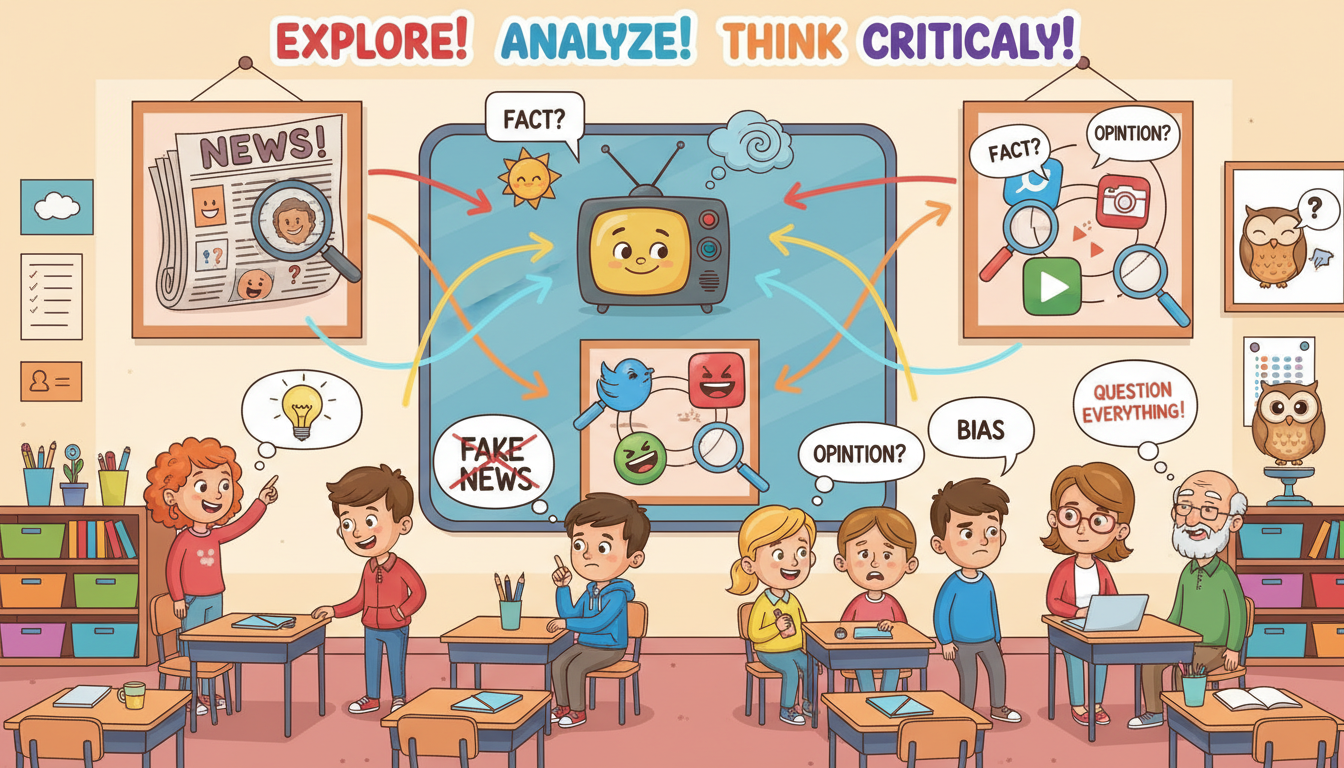
Understanding Media Messages and Bias: A Student's Guide
Quick Answer
Analyzing media messages helps determine their reliability and potential bias. Influencers play a key role in modern media by promoting products and ideas to their followers.
Understanding media messages, including their bias, is crucial in today’s information-saturated world. When we analyze media, we look for clues that indicate whether the message is trustworthy or biased.
Firstly, let’s break down the components of a media message. This includes examining the facts presented, the sources cited, and the language used. By critically assessing these elements, we can discern if the information is credible. For instance, a reliable news article should cite reputable sources and present facts without emotional language that sways opinion. A media message that lacks these features may not be trustworthy. Therefore, when asked whether a media message is reliable, you would conclude that it depends on the accuracy of the facts, the reliability of the sources, and the neutrality of the language. A good way to phrase this would be: "...whether the media is reliable and unbiased."
Next, let’s delve into the role of influencers in media. Influencers are individuals who have garnered a significant following on platforms like TikTok, Instagram, and YouTube. They are often seen as trendsetters and can sway public opinion due to their reach. Companies recognize this power and pay influencers to promote products, brands, or lifestyles.
For example, if a popular influencer showcases a new skincare product, they might receive monetary compensation, free products, or even luxurious trips in return for their endorsement. This relationship can skew the authenticity of the message since followers may not realize that the influencer is being paid to promote something. Thus, understanding the nature of influencer marketing is essential for critical media consumption. Influencers are not just marketers; they shape narratives and consumer perceptions.
In conclusion, being media-literate involves questioning the reliability of information and understanding the motivations behind media messages, including those from influencers. This critical approach not only enhances your understanding of the media landscape but also empowers you to make informed decisions as a consumer of content.
Was this answer helpful?