
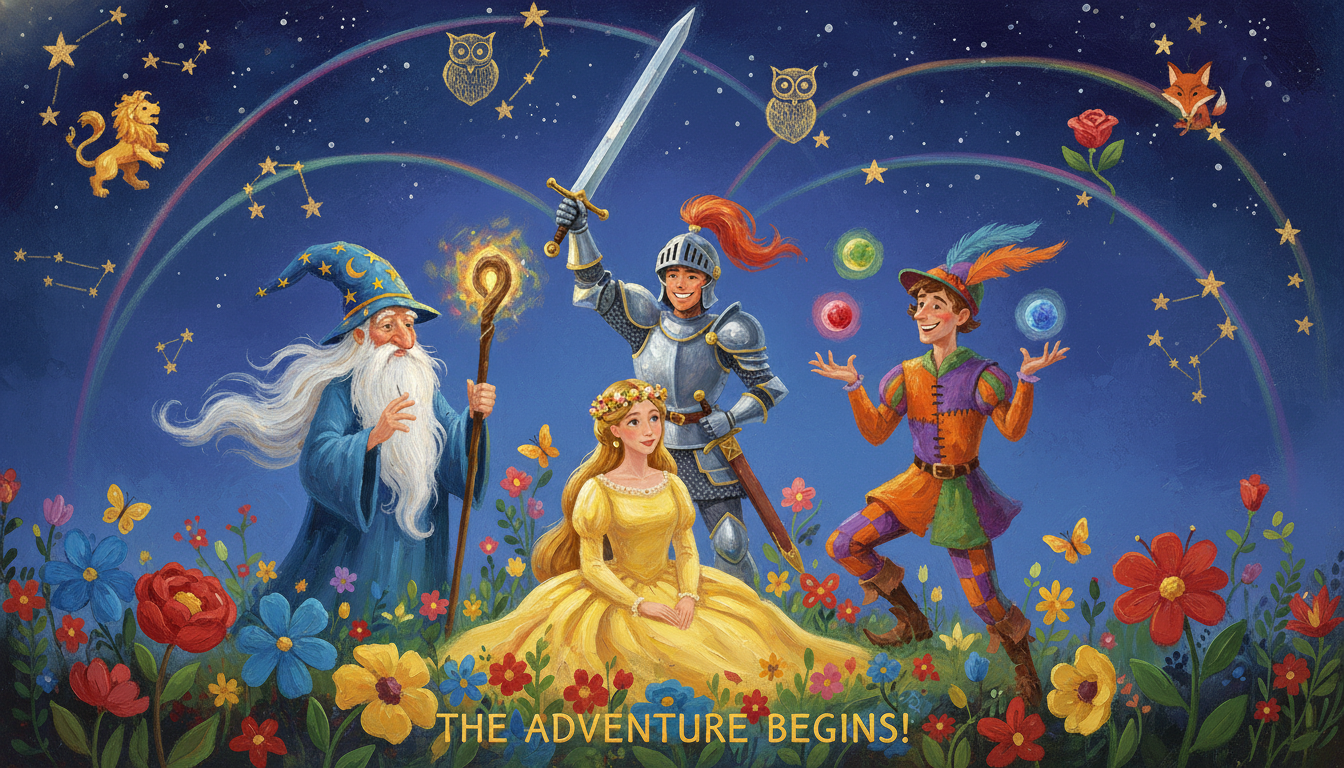
What Are Archetypes? Understanding Their Role in Stories
Quick Answer
Archetypes are recurring symbols or character types in stories that help convey universal themes. Examples include 'the hero' and 'the mentor,' which help readers easily recognize character roles.
Archetypes are fundamental, universal symbols or character types that recur across various forms of storytelling, including literature, film, and mythology. They serve as templates that help writers craft compelling narratives that resonate with audiences. By using archetypes, authors create relatable characters and situations that help convey deeper meanings and themes.
One of the most recognized archetypes is 'the hero.' This character often embarks on a journey, faces challenges, and ultimately grows or transforms by the end of the story. Examples of hero archetypes include classic figures like King Arthur or modern ones like Harry Potter. These heroes embody traits such as bravery, determination, and a sense of justice, making them relatable and inspiring to readers.
Another common archetype is 'the mentor.' The mentor serves as a guide for the hero, providing wisdom, training, or support. Famous examples include Gandalf from J.R.R. Tolkien's *The Lord of the Rings* and Mr. Miyagi from *The Karate Kid*. Mentors often help heroes navigate their journeys, imparting valuable lessons that contribute to their growth.
Archetypes can also extend beyond characters to include situations and symbols. For instance, 'the journey' is a narrative archetype where the hero must travel, facing trials that lead to personal growth. This archetype appears in various stories, from ancient myths to contemporary films. Additionally, symbols like the 'threshold,' which represents a point of no return, also serve as archetypal elements that enrich storytelling.
Understanding archetypes is valuable not just for writers but for readers as well. Recognizing these patterns can enhance comprehension and appreciation of a story's themes and character dynamics. By identifying archetypes, readers can better connect with characters and anticipate their development, making the reading experience more engaging.
In real-world applications, archetypes can be found in advertising, branding, and even personal development. Marketers often use archetypal imagery to connect with target audiences on a deeper emotional level. For example, a brand may embody the 'caregiver' archetype, emphasizing nurturing and support, which can attract customers seeking reliable products or services.
In conclusion, archetypes are essential tools in storytelling that help convey universal themes and character roles. They facilitate a deeper understanding of narratives and foster connections between the audience and the story. Whether you're a writer looking to create compelling characters or a reader seeking to understand the underlying messages in a story, recognizing archetypes can enrich your experience.
Was this answer helpful?