
What is the Difference Between Hiding from a Hurricane and Other Dangers?
Quick Answer
Hiding from a hurricane involves finding a safe place to protect yourself from strong winds and flooding, often in designated shelters or safe rooms. In contrast, other dangers like tornadoes or wildfires require different safety measures and locations.
When it comes to natural disasters, understanding the best safety practices for various situations is crucial. Hiding from a hurricane is a specific type of emergency preparedness that focuses on protecting oneself from the unique dangers posed by these powerful storms. Hurricanes bring strong winds, heavy rainfall, and the risk of flooding, making it essential to know how to stay safe during such events.
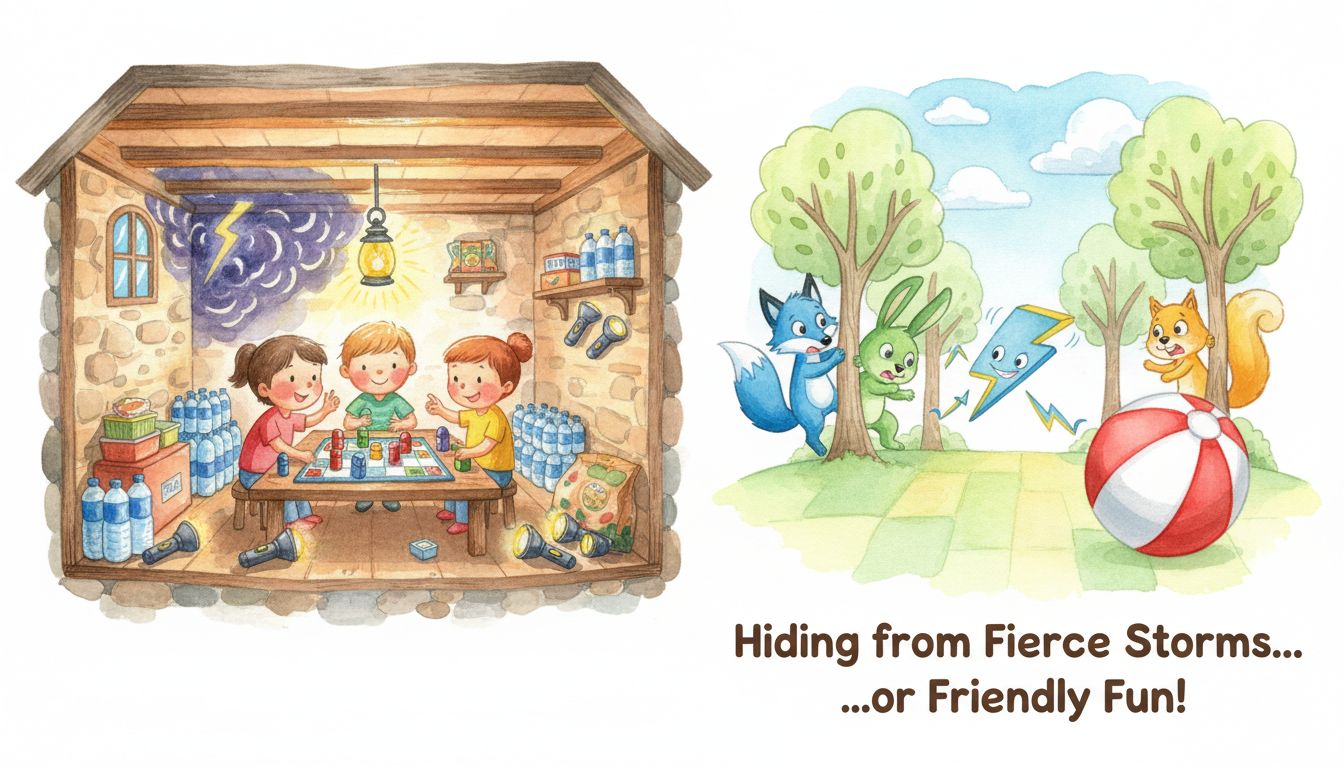
**Sheltering from a Hurricane**: When a hurricane is approaching, it is vital to find a safe shelter. This typically means moving to a designated shelter, which is often set up by local authorities before a storm hits. These shelters are designed to withstand high winds and provide safety for the community. If you cannot reach a shelter, your home can also serve as a refuge. The safest places in your home include interior rooms without windows, such as a basement or an interior bathroom. Here, you can protect yourself from debris and strong winds.
Additionally, hurricane preparedness requires stocking up on essential supplies. Because hurricanes can last for days and may cause power outages, having food, water, medications, and other necessities is vital. The general recommendation is to have at least a three-day supply of these items ready before the storm hits.
**Comparing Other Natural Dangers**: While the concept of hiding or seeking safety is similar across different types of natural disasters, the actions and locations may differ significantly. For instance:
- **Tornadoes**: Tornadoes can form quickly and with little warning, so it’s crucial to act fast. The safest place during a tornado is typically the basement or the lowest level of a building, away from windows. If a basement is not available, moving to an interior room, such as a bathroom or closet, can provide some protection. Covering your head and neck with your arms or a sturdy object is also advisable to shield against flying debris.
- **Wildfires**: In the case of wildfires, the focus shifts from sheltering indoors to evacuating to a safer area. It is essential to be aware of evacuation routes and to leave early if a wildfire threatens your area. Wildfires can spread rapidly, so preparation involves having an emergency kit ready and knowing where to go.
**Importance of Preparedness**: Understanding the differences in safety measures for various natural disasters is critical for effective emergency preparedness. Each type of disaster requires unique responses, and being informed can help save lives. By familiarizing yourself with the appropriate actions for hurricanes, tornadoes, wildfires, and other emergencies, you can better ensure your safety and the safety of those around you.
In conclusion, while hiding from a hurricane, tornado, or wildfire all involve seeking safety, the specific actions and preparations needed can differ greatly. Educating yourself about these differences is a key step in ensuring you are ready for any natural disaster that may come your way.
Was this answer helpful?