
What Factors Contribute to Poverty in Africa?
Quick Answer
Poverty in Africa is influenced by various factors, including drought, unemployment, population growth, and economic diversity. A sudden decline in unemployment, however, typically reduces poverty rather than contributing to it.
Understanding the factors contributing to poverty in Africa is crucial for addressing this complex issue. Let's examine each of the factors mentioned in the question to clarify their roles and impacts on poverty levels across the continent.
1. **Long Periods of Drought and Desertification**: One of the primary contributors to poverty in Africa is the frequent occurrence of droughts. These long periods without sufficient rainfall lead to crop failures, which directly affect food availability. For many African communities, agriculture is the main source of income. When crops fail, not only does food become scarce, but farmers also lose their livelihoods, plunging them deeper into poverty. Desertification compounds this issue by turning arable land into desert, further limiting agricultural productivity and exacerbating food insecurity.
2. **A Sudden Decline in Unemployment**: In this context, a decline in unemployment is actually a positive development. When unemployment declines, it indicates that more people are finding jobs, which means they have access to income. This increase in income typically leads to a reduction in poverty levels, not an increase. Therefore, this option is the correct answer to the question as it does not contribute to poverty.
3. **Drastic Increase in Population Leading to a Shortage in Available Resources**: Rapid population growth in Africa can strain resources, leading to higher poverty rates. As the population increases, the demand for food, water, and housing also rises. When resources become scarce, competition increases, and many families may find it difficult to secure the necessities of life. This situation can lead to heightened poverty levels, particularly in urban areas where infrastructure may already be inadequate.
4. **Inability to Establish a Diverse Industrial Economy**: Many African nations struggle to diversify their economies beyond agriculture. An economy reliant on a limited number of sectors (like agriculture or mining) is vulnerable to fluctuations in those markets, which can lead to economic instability and increased poverty. A lack of industrial diversity means fewer job opportunities, which keeps many individuals in low-paying jobs or unemployment.
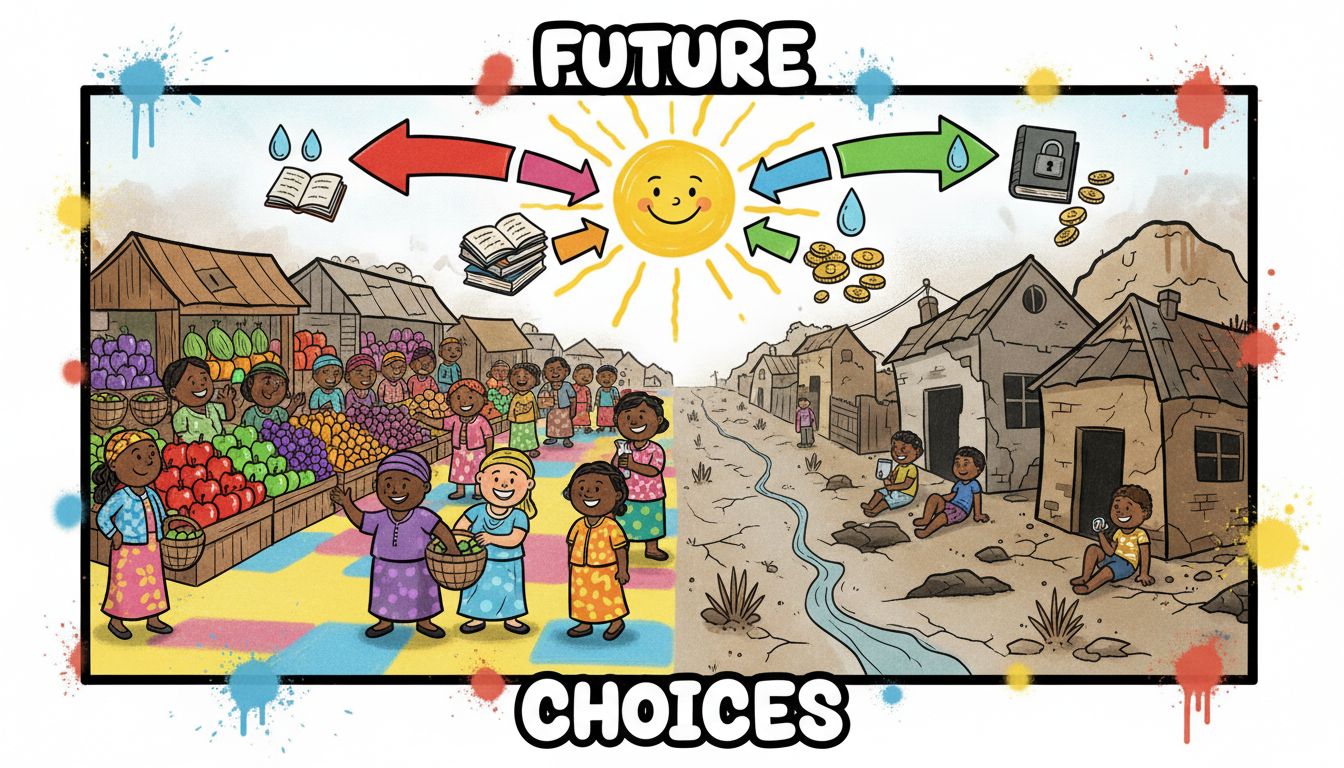
In summary, while some factors like drought and population growth contribute to poverty, a decline in unemployment typically alleviates it. Understanding these dynamics is essential for developing effective policies and interventions to combat poverty in Africa. Real-world applications of this knowledge can inform government programs, NGO initiatives, and educational efforts aimed at sustainable economic development and poverty reduction. By tackling these issues head-on, we can work towards a future where poverty is significantly reduced across the continent.
Was this answer helpful?