
What Does the Number One Represent in Counting?
Quick Answer
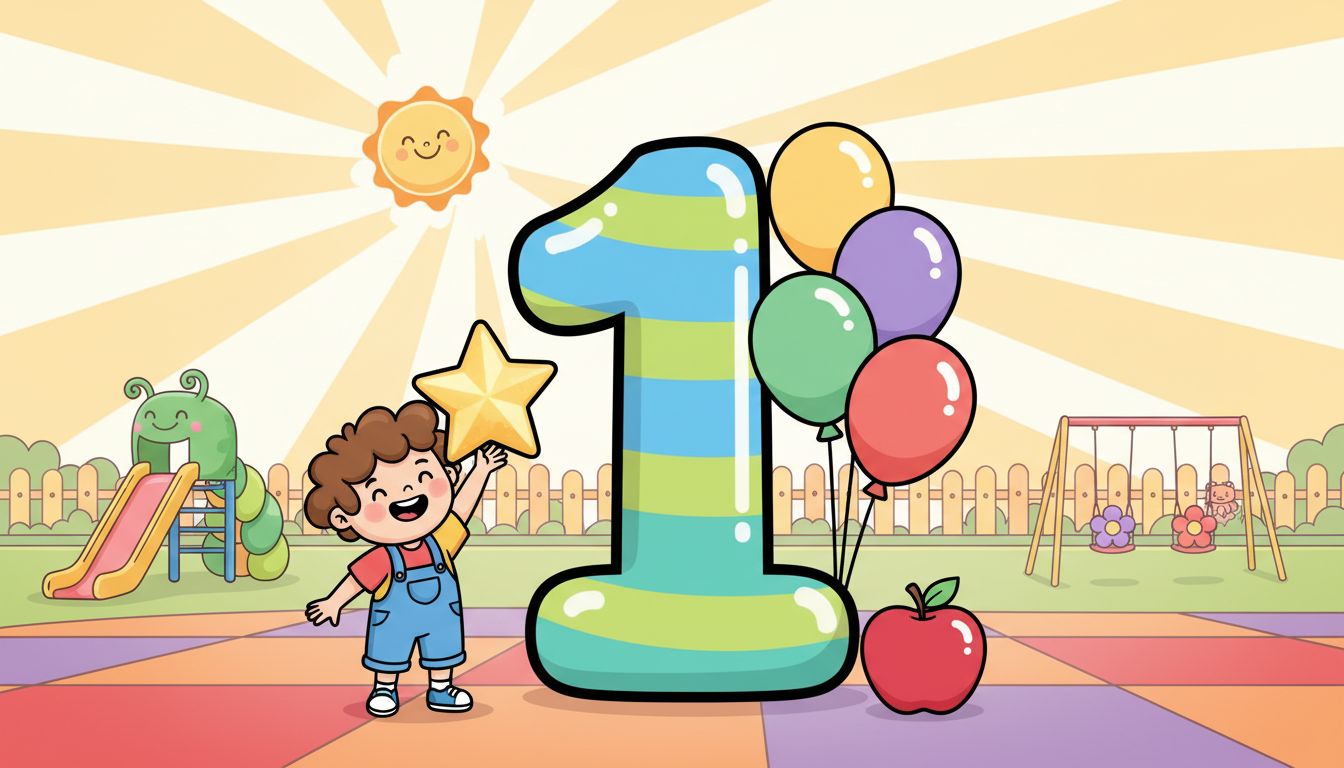
The number one is the first counting number and represents a single unit, like one apple or one toy. It's essential in counting and understanding basic math concepts.
The number one holds a special place in mathematics and everyday life. It is the first counting number in our number system, representing a single unit. You can think of it as the building block of numbers, as all other whole numbers are based on it. For instance, if you have one apple, that indicates you have a single piece of fruit.
In counting, we start with one and then move to two, three, and so on, so understanding what one represents is crucial for grasping how numbers work. One is not only essential in counting but also plays a significant role in various mathematical operations. When we add one to another number, we are essentially increasing that quantity by one. For example, if you have one toy and you receive another, you now have two toys.
One also appears in many different contexts outside of basic counting. In games, you might need to pick a number, and 'one' could be the starting point in a counting game or a score in a competition. In storytelling, 'one' can signify the beginning of an adventure or the main character, like a hero on a journey.
Moreover, the concept of 'one' extends beyond just numbers. It can represent unity or singularity in various subjects. For example, in science, we often speak of 'one' species in an ecosystem or 'one' planet in our solar system. In language arts, 'one' could signify a single idea or theme within a story or poem.
Understanding the significance of 'one' helps develop a solid foundation for more complex mathematical concepts. It teaches us the basics of addition, subtraction, and even multiplication, where one times any number still equals that number. For instance, one multiplied by five gives you five, showing how pivotal the number one is in mathematics.
In everyday life, recognizing 'one' can enhance your observational skills. You might notice one leaf on the ground, one car passing by, or one star shining brightly in the night sky. Each of these instances highlights the importance of single units in our surroundings. So, whether we're counting objects, playing games, or exploring nature, the number one is everywhere! What would you like to explore next with the number one? We can dive deeper into math, play a fun counting game, or create a story together!
Was this answer helpful?