
Why Did Dinosaurs Have Colored Feathers? Understanding Their Purpose
Quick Answer
Dinosaurs likely had colored feathers for communication, species recognition, and mating displays. Evidence from modern birds suggests that these feathers served similar purposes.
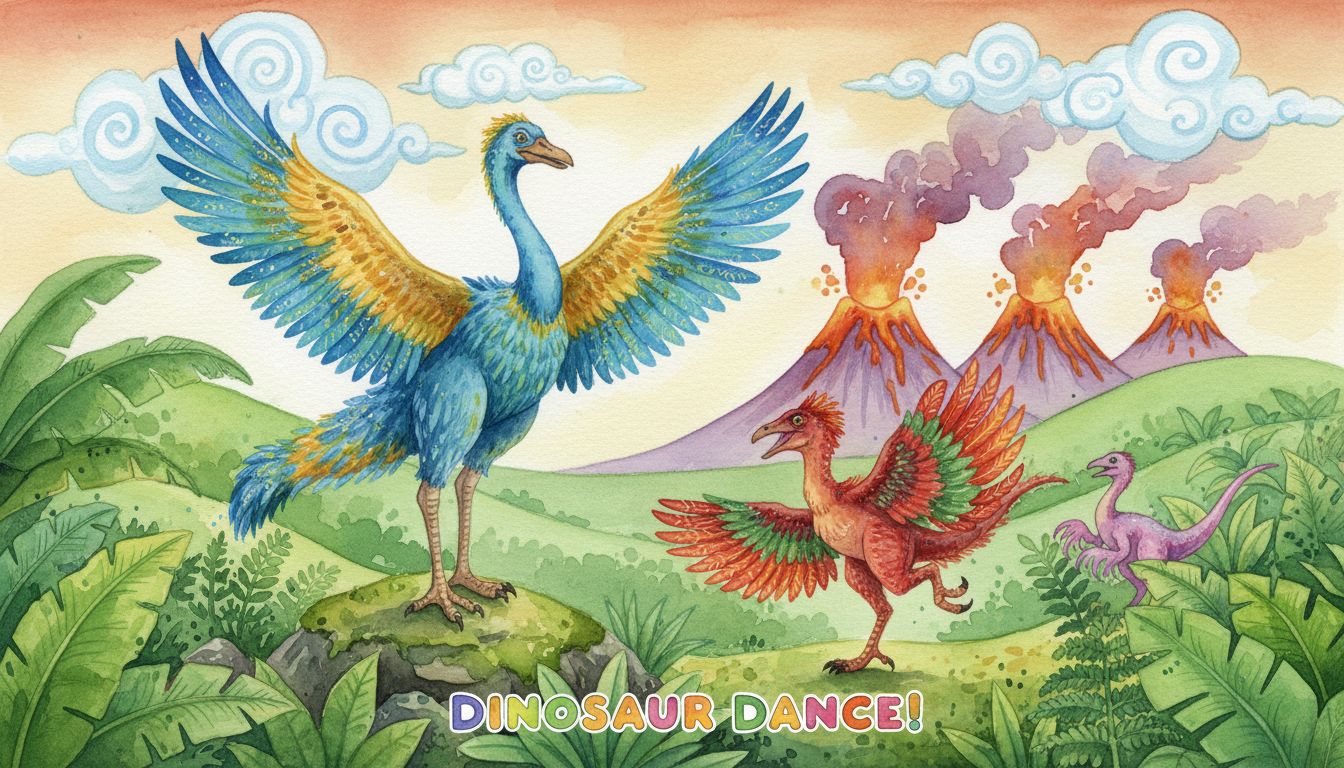
Dinosaurs had colored feathers for various reasons, including communication, attracting mates, and species identification. One of the most compelling theories is that these feathers were used for display, particularly during mating rituals. Just as many modern birds use their plumage to attract partners, it is likely that dinosaurs did the same.
Research indicates that feathers could have played a significant role in social interactions among dinosaurs. For instance, brightly colored feathers may have helped individuals identify their own species or even distinguish between genders. This is similar to how male birds often have more vibrant colors compared to females, which helps them stand out during courtship.
The evidence supporting this theory primarily comes from the study of modern birds, which are direct descendants of certain dinosaur groups, particularly theropods. Many birds today possess excellent color vision, allowing them to see a wide spectrum of colors, including ultraviolet light. This adaptation is crucial for their survival, as it helps them find mates, detect predators, and identify food sources.
For example, consider the vibrant feathers of the peacock. Male peacocks display their elaborate tail feathers to attract females. This display is not just about color; it also involves intricate patterns and movements that catch the attention of potential mates. Similarly, species like macaws and other parrots showcase bright, colorful feathers during courtship rituals to communicate their health and vitality.
Even in less colorful birds, such as pigeons, subtle differences in feather patterns and colors can help individuals recognize each other and form social bonds. This behavior suggests that color and pattern variation likely played a significant role in helping feathered dinosaurs communicate and thrive in their environments.
In conclusion, the presence of colored feathers in dinosaurs is a fascinating topic that bridges the gap between prehistoric life and modern avian behavior. By studying living birds, we gain valuable insights into how these ancient creatures may have used their feathers to navigate their social landscapes. This understanding not only sheds light on the lives of dinosaurs but also emphasizes the evolutionary connections we share with these remarkable animals.
Was this answer helpful?