
How Does Changing a Myth to a Song Affect the Audience?
Quick Answer
Transforming a myth into a song emphasizes the emotional impact on the audience. Music enhances feelings, making the story's themes resonate more powerfully than written words alone.
When a myth is adapted from a written format to a song, the effect on the audience changes dramatically. In written myths, readers engage with the plot, characters, and descriptions through their imagination. They interpret the narrative based on their understanding of written language and visuals. However, when that same myth is expressed in a song, it utilizes music, rhythm, and vocal tone, which are incredibly effective at conveying emotions.
The primary change in audience experience comes from the emotional resonance that music brings. For example, consider a myth about a hero's journey filled with trials and tribulations. In written form, the focus might be on the hero's actions and the challenges they face. Readers may visualize the scenes but might not fully connect with the emotions behind them.
In contrast, when this myth is transformed into a song, the melody and rhythm can evoke feelings of sadness, joy, or triumph. A slow, somber tune might highlight the hero's struggle, making the audience feel empathy and sadness for the character's hardships. Conversely, an upbeat melody could capture the excitement of the hero's victories, lifting the audience's spirits.
While the plot of the myth may be shortened or adapted for lyrical purposes, the core themes and symbols remain intact. The lyrics can still convey the story's essence but are enhanced by the musical elements that draw listeners in emotionally. For instance, a song might repeat a powerful line or phrase, reinforcing its emotional weight through melody and rhythm, something that a written story cannot replicate to the same extent.
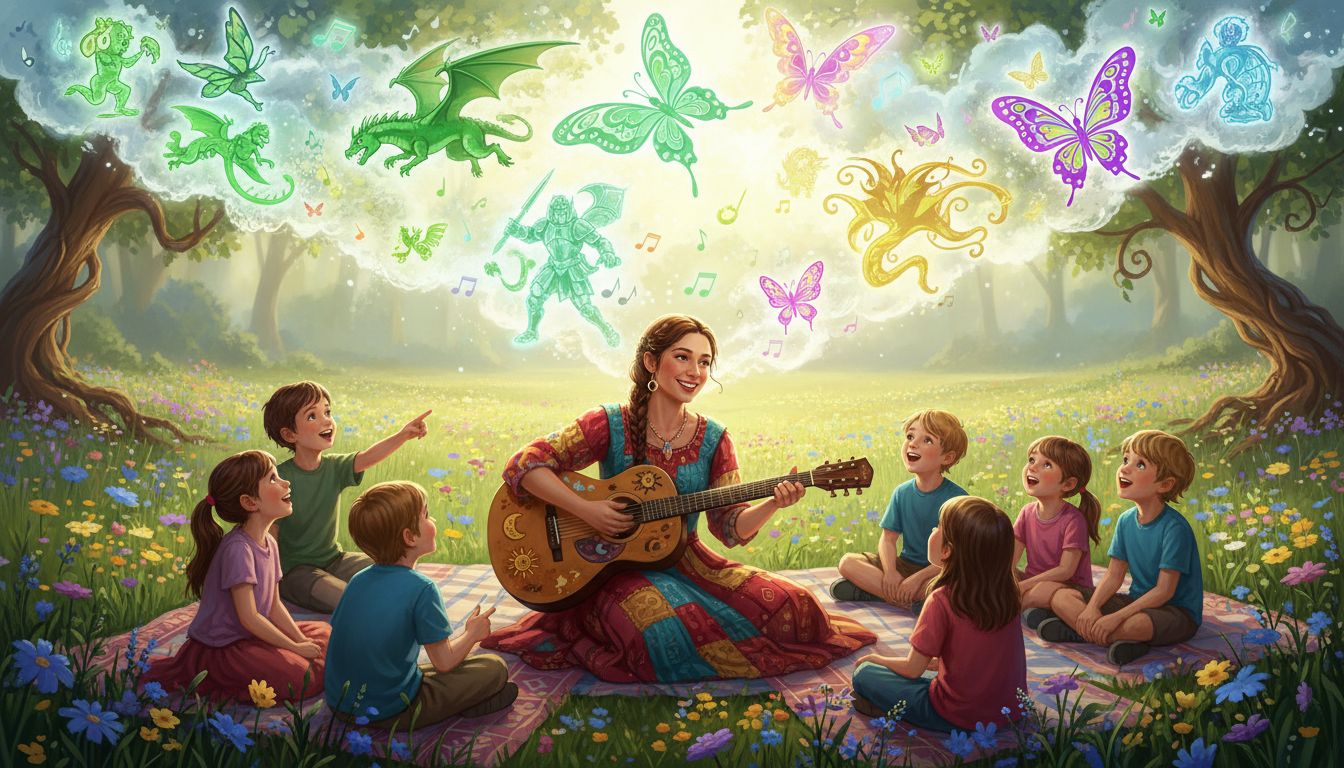
Moreover, the communal aspect of music can also amplify the impact. When people listen to a song together, they often share in the emotions it evokes, creating a deeper connection to the myth and to each other. This shared experience can lead to a stronger emotional response compared to reading the story alone.
In summary, changing a myth from a written story to a song primarily emphasizes the emotional impact on the audience. The music enhances how strongly listeners feel about the events of the myth, making the experience more powerful and relatable. This transformation allows the story to resonate on a deeper level, highlighting the emotional journey of the characters involved.
Understanding this difference can help students appreciate the art of storytelling in various forms, encouraging them to explore how different mediums affect the way stories are perceived and felt.
Was this answer helpful?