
What Are the Elements of Romantic Poetry? Understanding Key Features
Quick Answer
Romantic poetry emphasizes strong emotions, nature, and individual imagination. To answer questions about Romantic poetry, look for themes of emotion, nature, and freedom in the provided examples.
Romantic poetry is a fascinating genre that emerged during the late 18th and early 19th centuries, characterized by its focus on emotion, nature, and the individual's perspective. This genre is often misunderstood as simply being about romantic love, but it encompasses much more. Here, we will explore the key elements of Romantic poetry and how to identify them in various texts.
One of the hallmarks of Romantic poetry is its emphasis on **strong emotions**. Poets from this era often expressed profound feelings such as joy, sadness, longing, and awe. For example, William Wordsworth's works often reflect a deep love for nature and the emotions it evokes. When analyzing a poem, look for lines that stir strong feelings or illustrate a powerful emotional experience.
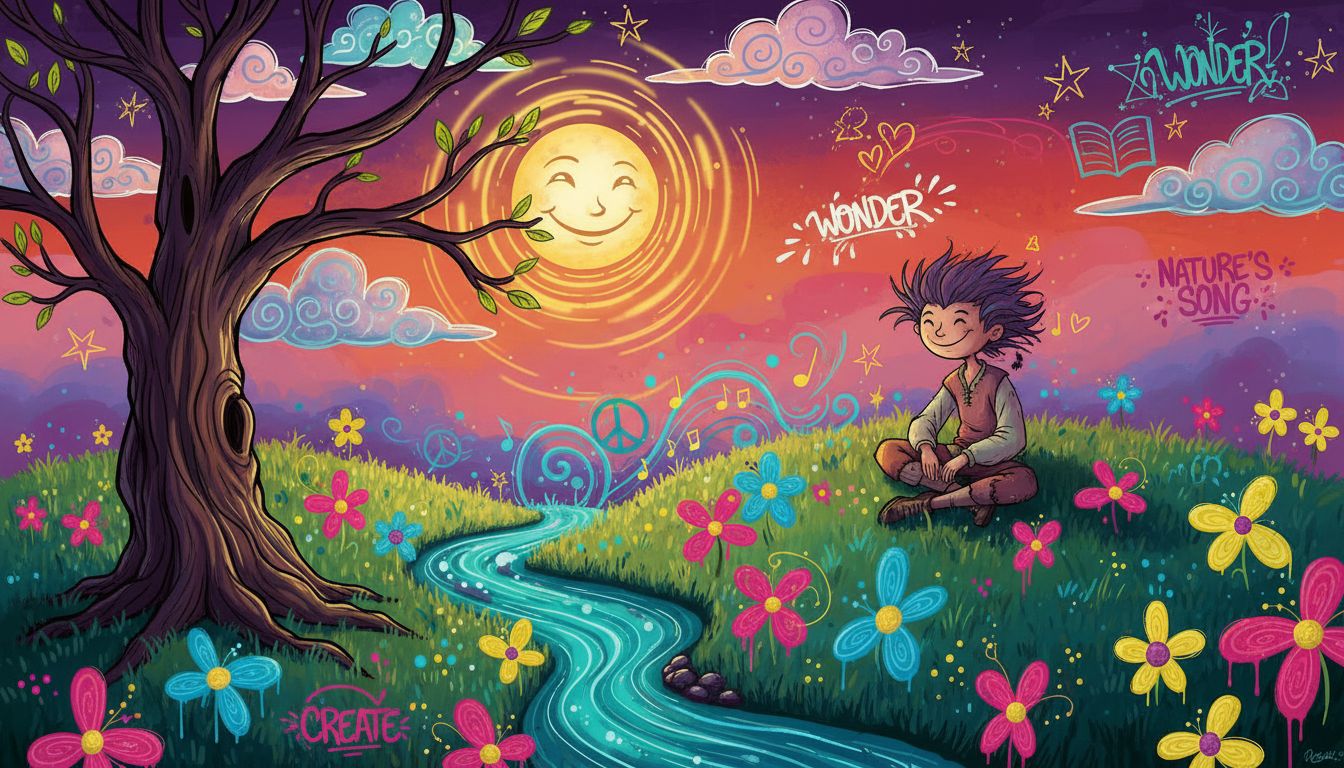
Nature is another central theme in Romantic poetry. Poets like John Keats and Samuel Taylor Coleridge frequently drew inspiration from the natural world, depicting its beauty and majesty. The imagery of mountains, rivers, and storms is common, as it reflects the Romantic ideal of nature as a source of inspiration and solace. When presented with options, consider whether the examples highlight aspects of nature and the emotions it evokes.
Moreover, Romantic poetry values individual feelings and imagination over strict rules and conventions. This shift away from the formalism of previous literary movements allows poets to express their thoughts and emotions freely. For instance, in the works of Percy Bysshe Shelley, you may find a focus on personal insights and a celebration of the creative spirit. Look for elements in the text that convey personal experiences or imaginative concepts.
Mystery and the supernatural are also prevalent in Romantic poetry. Many poets explored themes beyond the tangible world, incorporating elements of fantasy, spirituality, and the unknown. These aspects can often be found in the works of poets like Lord Byron, who infused his poems with a sense of adventure and exploration. When selecting examples, consider whether they evoke a sense of mystery or touch upon the supernatural.
Additionally, Romantic poetry often reflects a sense of **freedom, rebellion**, and a desire to break away from societal norms. This was a time when poets began to challenge traditional expectations and express their individuality. For instance, the themes of liberation and personal authenticity are evident in the works of poets such as William Blake. In your analysis, look for a sense of defiance or a call for change in the selected texts.
Finally, many Romantic poets idealized **childhood, innocence**, and a simpler, rural life, emphasizing the beauty and purity found in these experiences. This theme often serves as a contrast to the complexities of adulthood and urban living. When identifying elements of Romantic poetry, consider how the text reflects on childhood or nature's simplicity.
In conclusion, when faced with a question about which examples show elements of Romantic poetry, remember to look for these key themes: strong emotions, nature, individual imagination, mystery, freedom, and idealization of childhood. By honing in on these characteristics, you can effectively identify and engage with Romantic poetry, deepening your appreciation for this rich literary tradition.
Was this answer helpful?