
How is Ethos, Pathos, and Logos Used in Writing and Speeches?
Quick Answer
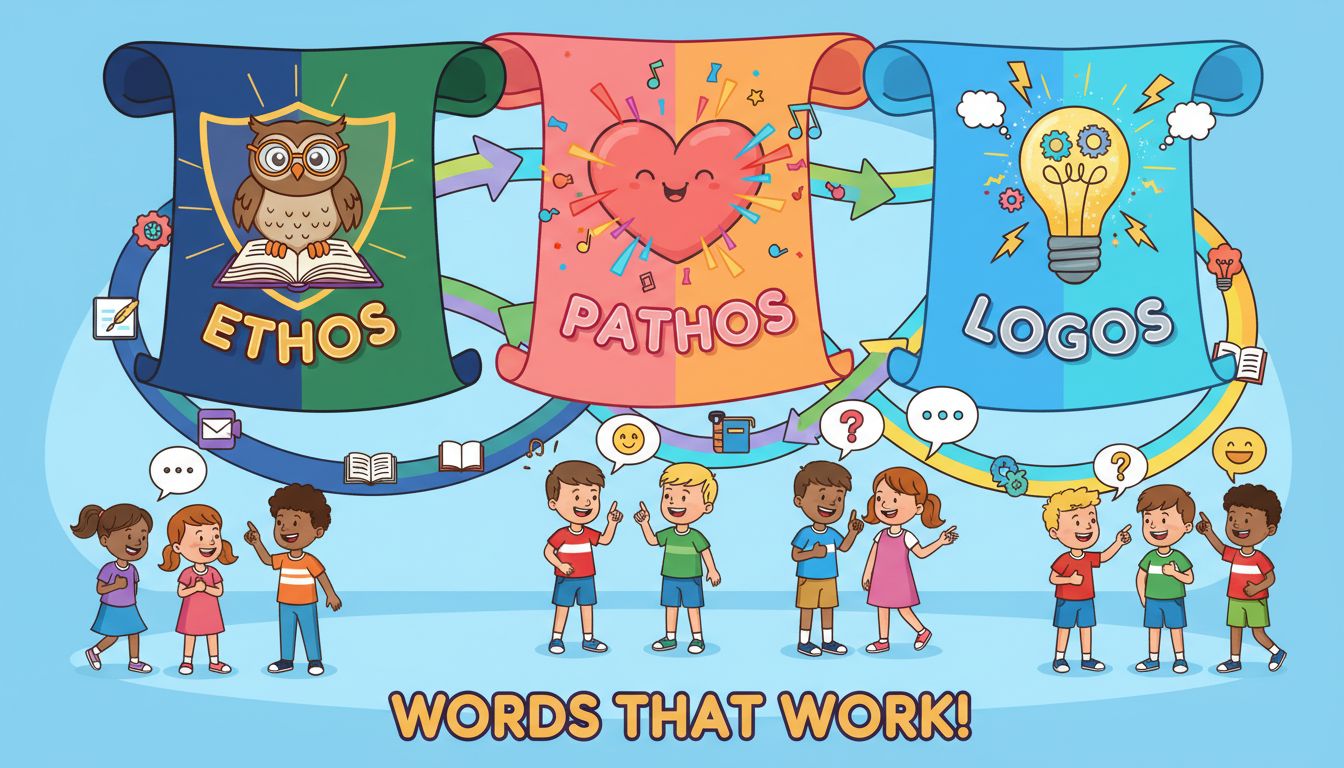
Ethos, pathos, and logos are three persuasive strategies used in writing and speeches. Ethos establishes credibility, pathos appeals to emotions, and logos uses logic and reasoning to persuade the audience.
Ethos, pathos, and logos are essential tools in persuasive writing and speaking. Understanding how to effectively use these strategies can significantly enhance your ability to convince an audience, whether in an essay, a speech, or even advertising. Let's break down each element and explore its application in detail.
### Ethos: Establishing Credibility
Ethos refers to the credibility and ethical appeal of the speaker or writer. It is crucial for persuading an audience because people are more likely to be convinced by someone they trust. Here’s how ethos is commonly used:
- **Demonstrating Expertise**: Writers and speakers often highlight their qualifications or experiences to establish authority on a subject. For example, a medical professional might say, "With over 20 years of experience in the field, I can assure you that..." This statement builds trust and makes the audience more receptive to the message.
- **Building Trust**: Ethos can also involve showing good character. This might include sharing personal stories that reflect honesty or integrity. A politician might say, "I have always fought for the rights of all citizens, and I will continue to do so." This statement aims to resonate with voters on a moral level.
### Pathos: Appealing to Emotions
Pathos is all about appealing to the audience's emotions. It invokes feelings that can influence decision-making. Here are some ways pathos can be effectively used:
- **Emotional Stories**: Sharing a poignant story can evoke sympathy or compassion. For example, a charity organization might tell the story of a child in need to encourage donations, saying, "Imagine a world where children go to bed hungry. Your help can change that." This approach seeks to touch the hearts of the audience, prompting them to take action.
- **Vivid Language**: Using descriptive language and imagery can stir emotions. In advertising, this might look like, "Picture yourself enjoying a warm cup of coffee on a chilly morning, feeling the stress of the day melt away." Such descriptions create a sensory experience that draws the audience in.
### Logos: Using Logic and Reasoning
Logos involves logical reasoning and the use of facts to persuade the audience. This strategy is vital for arguments that require clear, rational thinking. Here’s how logos is commonly applied:
- **Data and Statistics**: Presenting factual information can help solidify an argument. For instance, a writer might state, "Studies show that 70% of people who exercise regularly report higher levels of happiness." This data appeals to the audience's logical side and supports the argument convincingly.
- **Logical Arguments**: Structuring arguments in a clear, logical manner is another way to utilize logos. A debater might say, "If we invest in renewable energy, we will create jobs, reduce pollution, and combat climate change. Therefore, investing in renewable energy is a wise choice." This logical progression helps the audience follow along and see the reasoning behind the argument.
By understanding and utilizing ethos, pathos, and logos, students can enhance their writing and speaking skills. Whether you are crafting an essay, preparing for a presentation, or creating an advertisement, these persuasive strategies are valuable tools that can help you communicate more effectively and influence your audience’s beliefs and actions. With practice, you'll be able to master these techniques and apply them in various contexts, making your messages more impactful and engaging.
Was this answer helpful?