
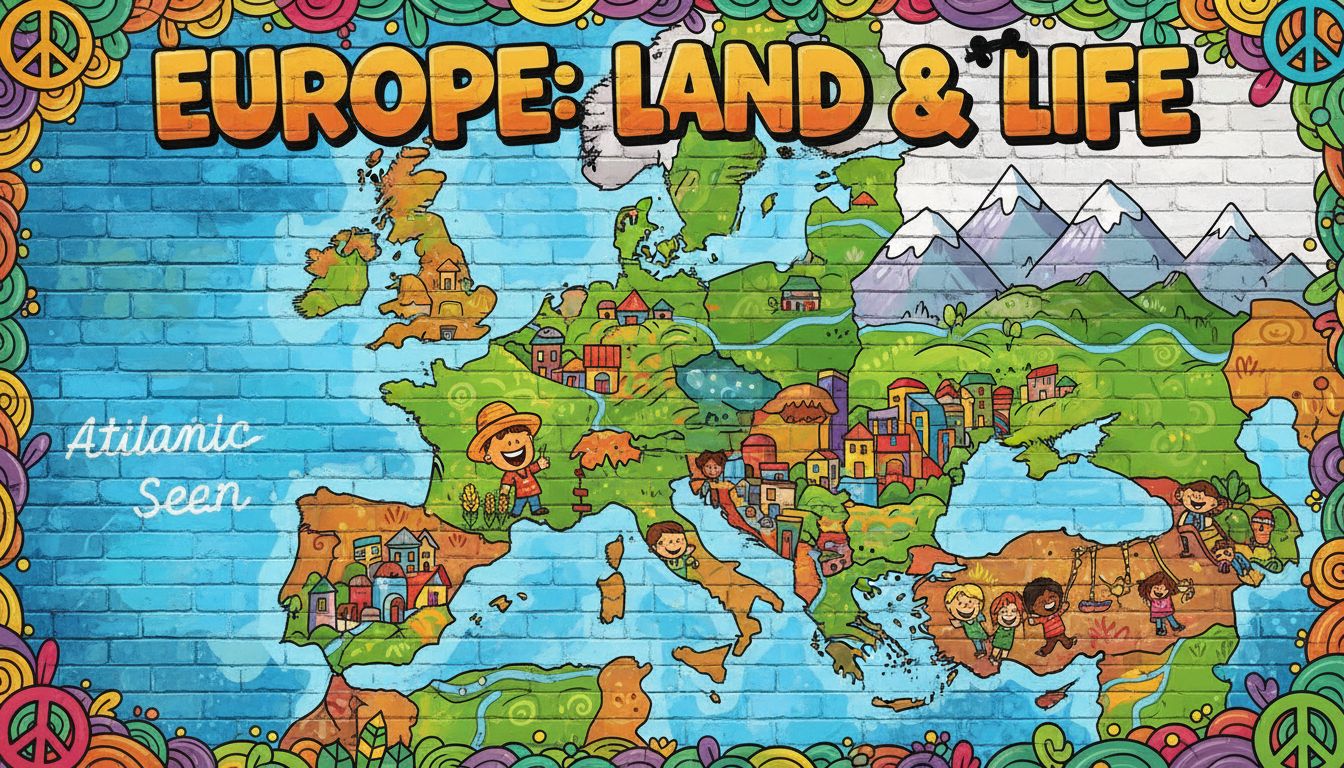
How Does Europe's Physical Geography Impact Its People?
Quick Answer
Europe's physical geography, including mountains, rivers, and climate, significantly impacts the lives of its people. It affects where they live, their jobs, and how they travel and trade.
Europe's physical geography plays a crucial role in shaping the lives of its inhabitants. The continent is characterized by a diverse landscape that includes majestic mountains, extensive river systems, vast plains, and varying climates. Understanding how these natural features influence human activity is vital for grasping the complexities of life in Europe.
1. **Mountains and Living Conditions**: The Alps, for instance, create natural barriers that affect settlement patterns. People tend to live in valleys and flat areas where farming is possible, while mountainous regions may be less populated. This geography influences where cities and towns are established, leading to a concentration of populations in certain areas.
2. **Economic Activities**: The physical features of Europe also dictate the types of jobs available. In coastal areas, fishing and tourism thrive due to access to the sea. Conversely, regions with fertile plains, like the Netherlands, are known for agriculture. The availability of natural resources, such as minerals in the mountains, also contributes to mining and industrial jobs.
3. **Transportation and Trade**: Rivers such as the Danube and the Rhine serve as vital transportation routes, facilitating trade and commerce. Since rivers are often easier to navigate than land routes, they have historically connected various regions, allowing for economic growth and cultural exchange.
4. **Environmental Impacts**: The climate variations across Europe influence lifestyles as well. For example, countries in the Mediterranean enjoy mild winters, promoting outdoor activities and tourism, while northern countries experience harsher winters, impacting daily life and economic activities. Natural disasters, such as floods in low-lying areas or forest fires in drier regions, pose additional risks that affect how communities prepare and respond.
5. **Cultural Influence**: Lastly, the interplay between geography and culture cannot be overlooked. Different regions have developed unique traditions, cuisines, and ways of life that are closely tied to their physical environment. For instance, mountainous regions may have distinct architectural styles suited to their terrain, while coastal areas might focus on seafood in their culinary traditions.
In summary, Europe's physical geography significantly impacts the lives of its people by influencing where they live, the types of jobs they have, how they travel, and even the culture they develop. By examining these connections, we gain a deeper understanding of how the landscape shapes human experience on the continent.
Was this answer helpful?