
How Do Human Actions Affect Geography? Understanding Changes
Quick Answer
Human actions significantly impact geography by altering landscapes and environments. For example, urban development changes land use and affects local ecosystems, traffic patterns, and community dynamics.
Human geography is the study of how human activities interact with the physical environment. One of the most evident ways this interaction occurs is through urban development, which directly alters landscapes and transforms local ecosystems.
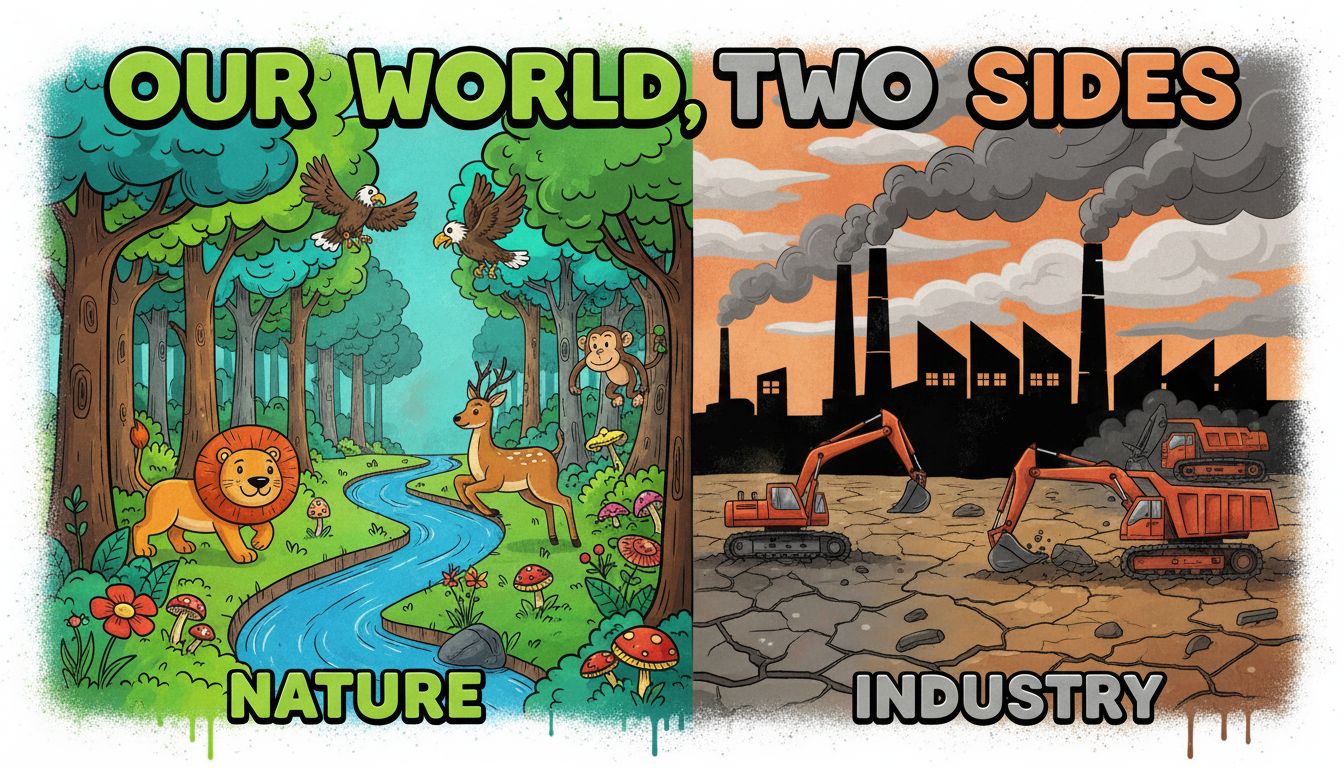
When we look at the example of a wooded corner being cleared for housing, we see a clear connection between human actions and geographical changes. Initially, this area may have been a natural habitat for wildlife, providing shade, greenery, and a diverse ecosystem. However, once the trees are cut down and houses are built, the entire landscape changes.
This transformation can lead to several changes in the area:
1. **Increased Traffic**: With more houses comes more residents, which typically means more cars. Streets that were once quiet may now be bustling with traffic, leading to potential congestion and a need for better infrastructure, like sidewalks and traffic signals.
2. **Altered Ecosystems**: The removal of trees not only affects the aesthetic of the area but also harms local wildlife. Animals that once inhabited the woods may be displaced, leading to a decline in biodiversity. Additionally, with fewer trees, there is less shade, which can increase temperatures in the area and affect local flora and fauna.
3. **Changes in Community Dynamics**: New neighbors bring new dynamics to the community. The addition of families with children may lead to increased demand for schools and recreational spaces. Conversely, the loss of green spaces can mean fewer areas for outdoor activities, impacting community interaction and lifestyle.
To strengthen your understanding of these changes, consider how you might describe the transformation in a more detailed way. For example, instead of simply stating that houses were built, you could elaborate:
"There was a corner near our house that used to be all woods. People cut down the trees and built houses. Now, there are more cars and people on that street, and there’s less green space. This change has made the area busier, with more sidewalks for pedestrians, but it has also reduced the natural habitats for local wildlife."
By exploring these aspects of human geography, you can gain a deeper insight into how our actions shape the physical world around us. Understanding these connections is crucial for addressing environmental issues and planning sustainable communities in the future.
Was this answer helpful?