
How Does Geography Impact Human Populations? Understanding Key Examples
Quick Answer
Geography significantly influences human populations by affecting agriculture, clothing styles, transportation methods, and settlement patterns. Understanding these impacts helps us appreciate how people adapt to their environments.
Geography plays a crucial role in shaping human populations and their activities. By examining how geographical features influence aspects of life such as agriculture, clothing, transportation, and settlement patterns, we can gain insight into the relationship between people and their environments.
1. **Farming and Food (Agriculture)**: In mountainous regions, terraced farming is a common practice. Farmers create flat areas on steep slopes to grow crops, preventing soil erosion while maximizing arable land. A picture of terraced fields in the Andes would illustrate how local geography dictates agricultural methods. This practice enables communities to cultivate food in challenging terrains, demonstrating human adaptability to geography.
2. **Clothing**: The climate of a region deeply influences traditional clothing styles. For instance, people living in colder climates often wear heavy, insulated garments made from animal fur or wool. A visual of traditional Inuit clothing can highlight how geography, particularly temperature and available materials, affects what people wear. Understanding this connection helps us appreciate cultural diversity and adaptation.
3. **Transportation**: Geography also impacts how people travel and transport goods. In coastal regions, boats and ships are essential for trade and fishing, while mountainous areas might rely more on pack animals or hiking trails. An image of a busy harbor can show how geography shapes transportation choices. This concept is vital in understanding economic activities and connectivity between communities.
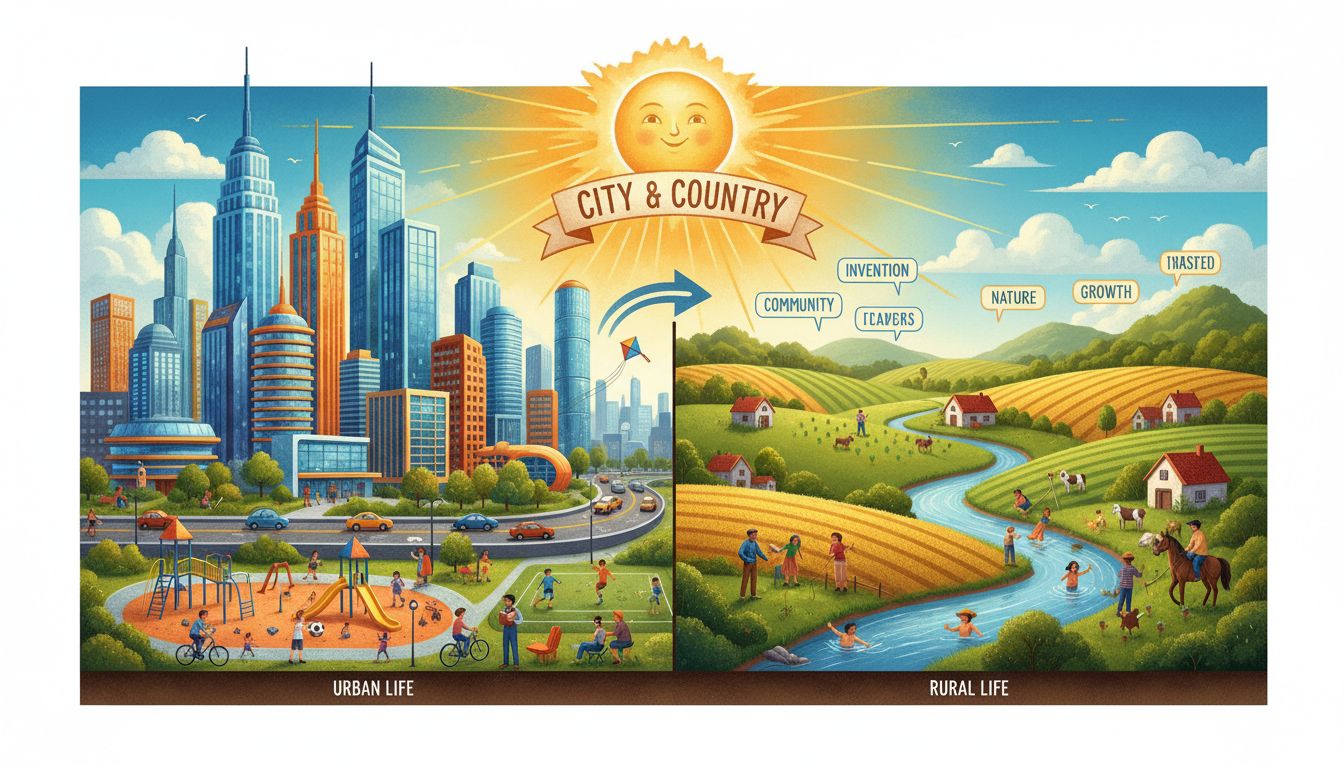
4. **Settlement Patterns**: Finally, where people choose to live is often dictated by geography. For instance, populations tend to settle near water sources for drinking and irrigation. An example image could be a map showing urban development around rivers or lakes. This aspect illustrates how access to resources influences population density and urban planning.
In conclusion, geography is more than just physical landscapes; it shapes the very fabric of human life. By exploring these four examples—agriculture, clothing, transportation, and settlement—we can better understand how humans adapt and thrive in different environments. Geography is a vital lens through which we can view cultural practices, economic activities, and social structures, providing a comprehensive understanding of the world around us.
Was this answer helpful?