
What is the Best Method for Determining Sex in Skeletal Remains?
Quick Answer
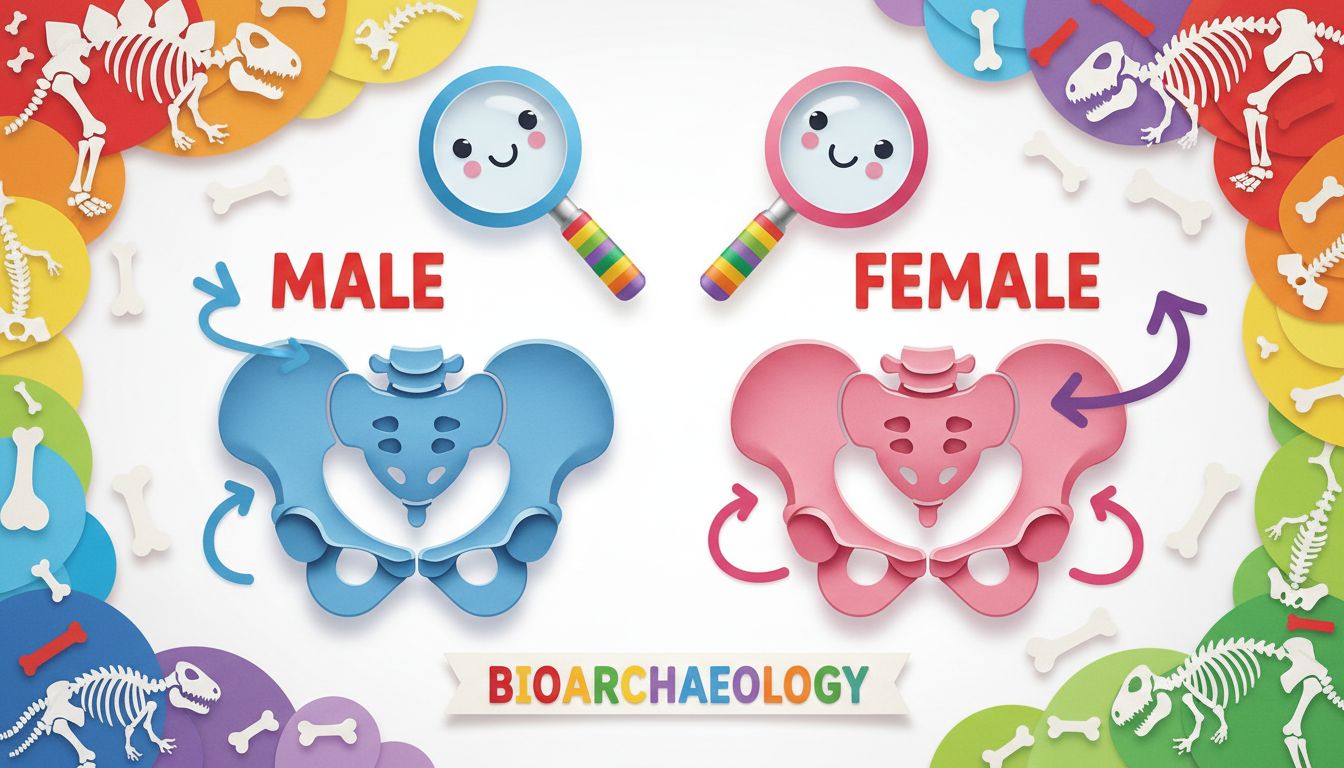
Bioarchaeologists primarily determine the sex of human skeletal remains by examining the pelvis, as it presents the most distinct anatomical differences between males and females. The pelvis's structure, especially its birth canal, provides vital clues for accurate identification.
When bioarchaeologists seek to determine the sex of human skeletal remains, they often turn to the pelvis as the most reliable source of information. The pelvis is uniquely structured in males and females, reflecting their different biological roles, particularly in childbirth. In females, the pelvic inlet is wider and more circular, which allows for easier passage during childbirth, while males typically have a narrower, more heart-shaped pelvic inlet. This distinction makes the pelvis an essential focus in the field of bioarchaeology.
While other skeletal elements, such as the skull and dentition, can provide some clues regarding sex, the pelvis offers the clearest and most consistent indicators. For instance, features like the subpubic angle and the sciatic notch vary significantly between sexes, supporting the pelvis’s role as the gold standard for sex determination in skeletal remains.
In addition to anatomical analysis, bioarchaeologists may also use genetic testing in some cases to determine sex when the skeletal remains are in poor condition or when ambiguous traits are present. This combination of traditional morphometric analysis and modern genetic methods enhances the accuracy of sex determination in archaeological contexts, allowing researchers to gain deeper insights into past populations.
Understanding biological sex in skeletal remains is not just a matter of academic interest; it has broader implications for reconstructing social structures, health, and lifestyle in ancient societies. For example, findings related to sex ratios in burial sites can inform researchers about societal norms, roles, and even the status of different groups within a community. Thus, the study of the pelvis and its relevance to determining sex embodies the intersection of biology and archaeology, providing a window into the lives of those who lived long ago.
Was this answer helpful?