
How Did Chichen Itza Reflect Traditions, Religion, and Foodways?
Quick Answer
Chichen Itza's culture exemplified the interplay of traditions, religion, and foodways through its rituals, architecture, and agricultural practices. The Maya civilization utilized sacrifices and ceremonies to honor their gods, deeply integrating their beliefs into daily life.
Chichen Itza, one of the most iconic archaeological sites of the Maya civilization, is a remarkable reflection of how culture can encapsulate traditions, religion, and foodways. This ancient city, located in present-day Mexico, showcases the complexity of Maya life, where every aspect from architecture to agricultural practices was intertwined with their spiritual beliefs.
**Traditions and Religion**: The Maya people had a rich tapestry of traditions that played a crucial role in their societal structure. Rituals and ceremonies were conducted to appease their gods, with many involving sacrifices. For instance, the famous cenote at Chichen Itza was considered a sacred site where offerings, including human sacrifices, were made to the water god Chac, especially during times of drought. This act highlights the importance of water and fertility in their agricultural practices, which were vital for survival.
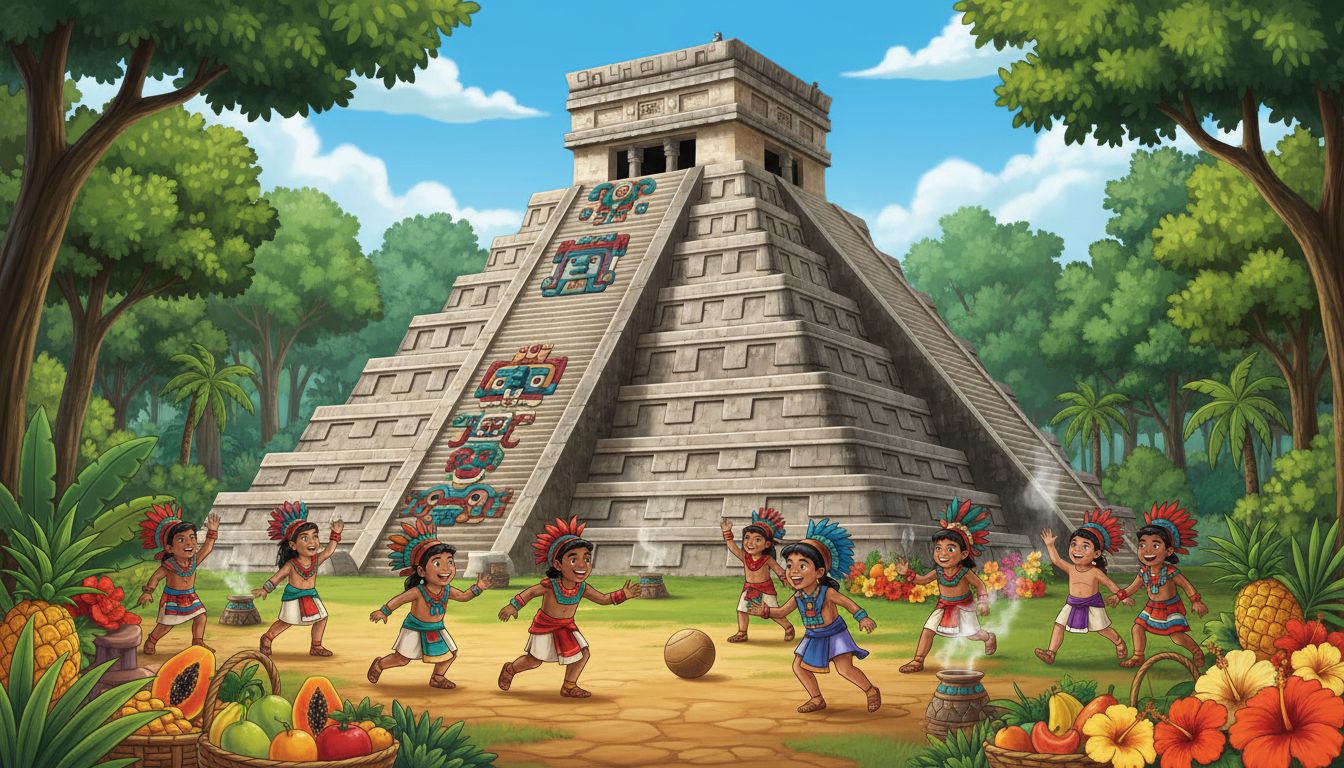
The wall of skulls at Chichen Itza serves as a haunting reminder of the violent aspects of their culture and the lengths they went to in order to maintain favor with their deities. Sports also intertwined with religion; the Mesoamerican ballgame, played on courts like those at Chichen Itza, had significant ritualistic components, including the potential for sacrifice of the losing team.
**Foodways**: The Maya civilization was also advanced in agriculture, which was deeply connected to their religious beliefs. They grew staple crops such as maize, beans, and squash, known as the "Maya triad," which not only sustained their population but also held spiritual significance. The Maya calendar’s baktuns reflected their understanding of time and seasons, which was critical for planting and harvesting. By keeping meticulous records of celestial movements, the Maya could align their agricultural activities with religious observances.
**Personal Connection**: Reflecting on these aspects of Chichen Itza helps us appreciate how culture shapes our own traditions today. For example, many cultures around the world still hold festivals and rituals honoring agricultural cycles or harvests, highlighting a universal connection to foodways and spirituality. Personally, I recall attending a harvest festival in my community, where we celebrated the bounty of the season with traditional foods and rituals that echoed the celebrations of ancient civilizations.
In summary, Chichen Itza is not just an archaeological wonder; it is a testament to the intricate connections between traditions, religion, and foodways in the Maya civilization. By understanding these elements, we gain insight into how cultures evolve and the lasting impact they have on modern society.
Was this answer helpful?