
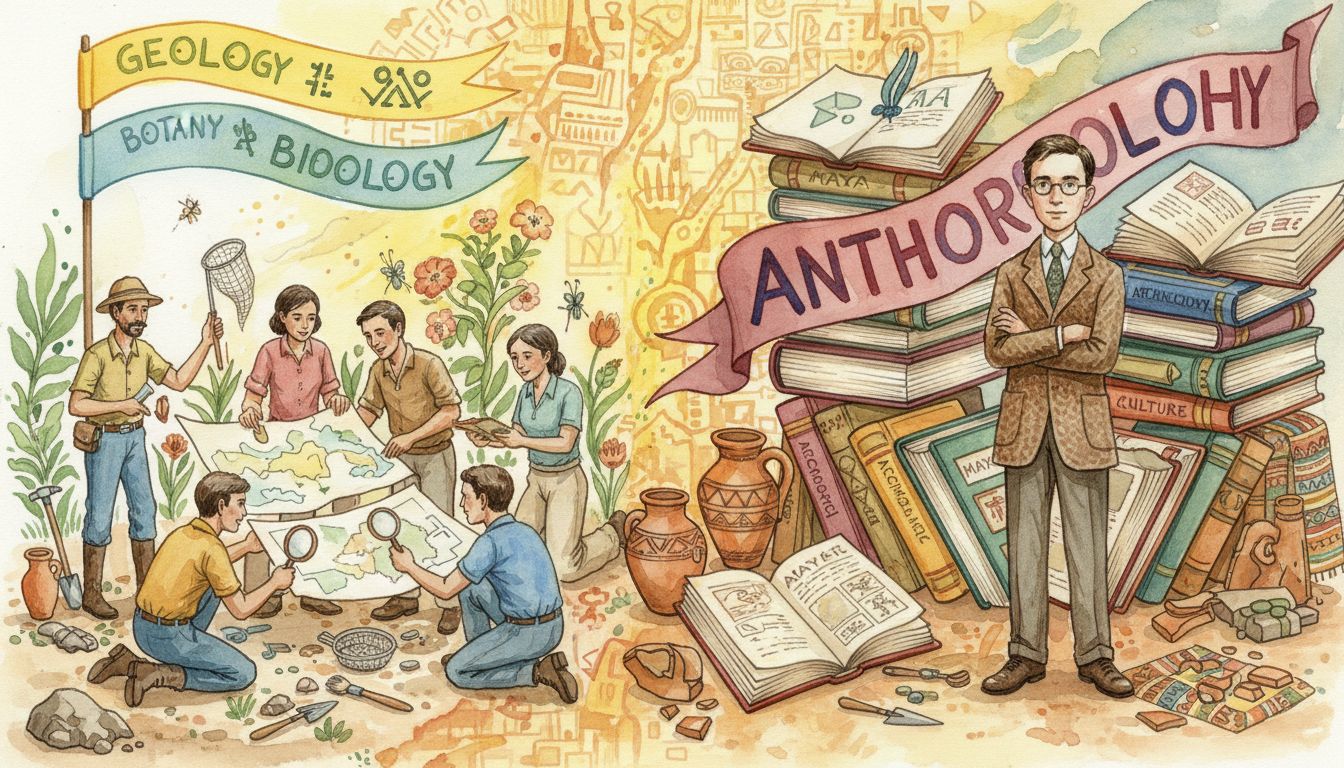
Did A.V. Kidder Oppose Interdisciplinary Studies in Archaeology?
Quick Answer
A.V. Kidder actually supported interdisciplinary collaboration in archaeology. He believed that specialists from various fields should work together with archaeologists, provided they have some understanding of anthropological perspectives to enrich research.
Alfred Vincent Kidder (1885–1963) is often recognized as a pioneer in American archaeology, and his views on interdisciplinary collaboration have significantly shaped modern archaeological practices. While it may seem that he was against the involvement of specialists from other fields, the reality is quite the opposite.
Kidder advocated for the integration of various scientific disciplines into archaeological research. He understood that archaeology is not a standalone field; it benefits from the insights provided by experts in geology, botany, zoology, and other sciences. For example, a botanist can help archaeologists understand ancient diets by analyzing plant remains, while a geologist can provide crucial information about the landscape in which archaeological sites are found. Kidder believed that this collaborative approach could lead to a more comprehensive understanding of past human behaviors and cultures.
However, Kidder also emphasized the importance of having these specialists possess a certain level of anthropological training. This requirement ensures that they can effectively contribute to archaeological inquiries without losing sight of the anthropological context that is critical for interpreting findings. For instance, when a zoologist examines animal bones at a site, their understanding of the cultural significance of those animals can illuminate aspects of daily life in ancient societies.
This philosophy is often referred to as 'holistic archaeology.' Holistic archaeology seeks to understand past human life in a more interconnected way, considering social, environmental, and cultural factors. Kidder's work laid the groundwork for this approach, and it has become a standard practice in archaeology today.
In practical terms, this interdisciplinary model enhances research quality. When archaeologists, botanists, and geologists collaborate, they can create a richer narrative of the past. For example, at a site where ancient agricultural practices are being studied, the collaboration between archaeologists and botanists can lead to discoveries about crop cultivation, while the geologist can shed light on soil conditions and climate. Together, they can reconstruct not only what crops were grown but also how they influenced social structures and economies.
In summary, A.V. Kidder did not oppose the involvement of specialists in archaeological research; rather, he championed it. His insistence that specialists should be trained in anthropology reflects his commitment to a more integrated understanding of the past. This approach continues to inform archaeological methodologies, allowing for richer interpretations of the archaeological record. If you are interested in how interdisciplinary studies can enhance research in archaeology, exploring case studies of collaborative projects may provide further insights into the effectiveness of this method.
Was this answer helpful?